




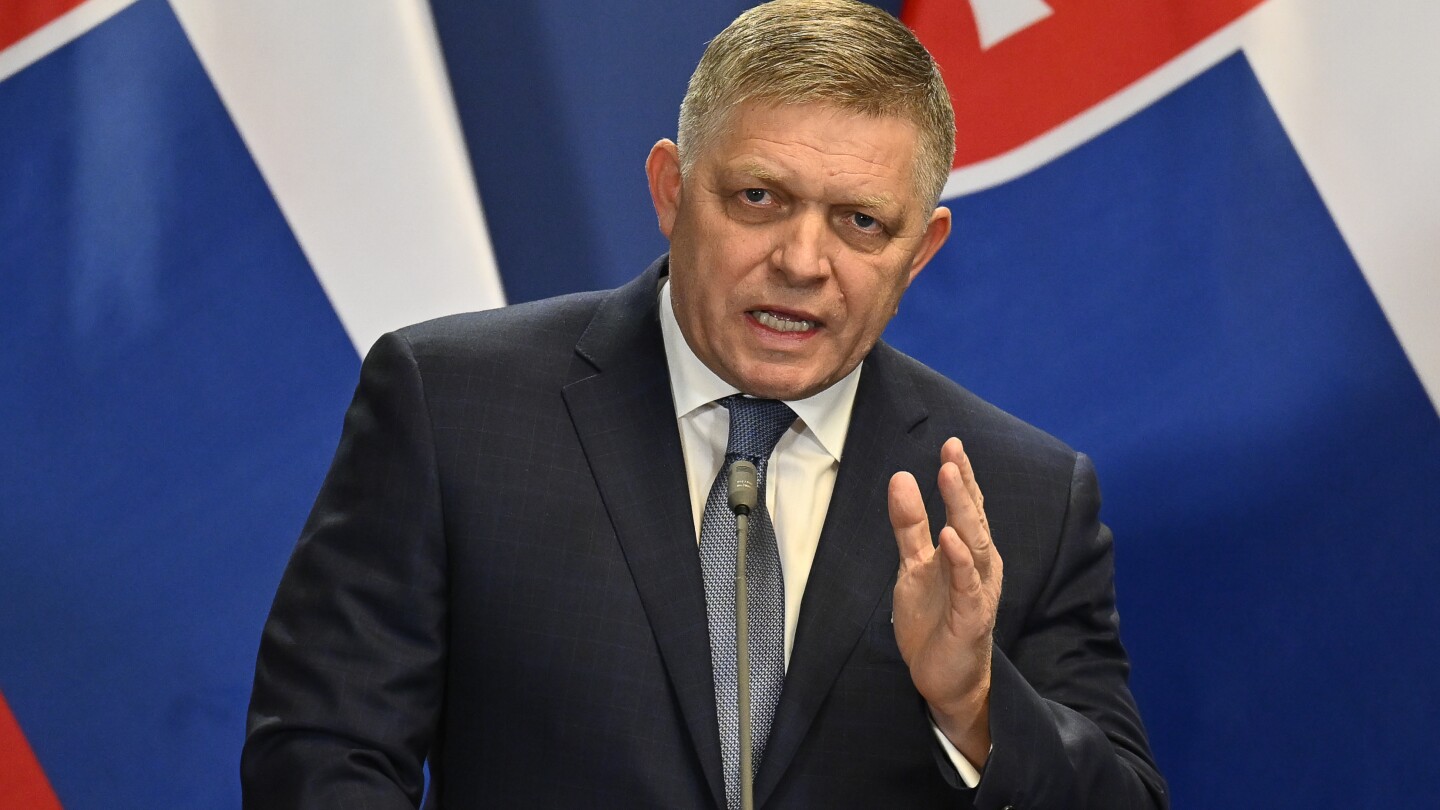
Slovakia’s Prime Minister Robert Fico was seriously wounded in an apparent assassination attempt just weeks before a Europe-wide election. The attack, which occurred in the town of Handlova, was described as politically motivated by authorities. While the suspect did not belong to any specific political groups, the incident highlights the dangerous environment in which many politicians operate. This event comes amidst a backdrop of other notable assassinations and assassination attempts during the 21st century, showcasing the ongoing threat faced by political leaders across the globe.
In recent years, high-profile political figures from countries such as Argentina, Japan, and Iraq have been targeted in assassination attempts. From a gunman opening fire on former Japanese Prime Minister Shinzo Abe during a campaign speech to drones targeting Iraqi Prime Minister Mustafa al-Kadhimi’s residence in Baghdad, these incidents shed light on the vulnerability of public figures in positions of power. The motives behind these attacks vary, but they underscore the risks associated with serving in leadership roles and the potential consequences of political unrest.
The assassination of British lawmaker David Amess by an Islamic State supporter in 2021 and the killing of Haitian President Jovenel Moïse by gunmen in 2021 are reminders of the constant threat faced by politicians around the world. These tragic events further emphasize the need for heightened security measures and a renewed focus on addressing the root causes of political violence. The indictments of individuals involved in these assassinations highlight the ongoing legal proceedings that seek justice for the victims and accountability for those responsible.
The 21st century has seen a number of high-profile political assassinations, including the killing of Chad President Idriss Deby Itno in 2021 during a battle with rebels. Similarly, the attempted assassination of Venezuelan President Nicolas Maduro with explosive-laden drones in 2018 underscores the evolving methods used by attackers to target prominent leaders. These incidents serve as warnings for governments and security agencies to continuously adapt and strengthen their defenses against such threats in an increasingly interconnected world.
The assassination of Russia’s ambassador to Turkey, Andrei Karlov, in 2016 and the failed coup attempt in Turkey in 2016 are stark examples of the political instability and violence that can arise in different parts of the world. These events highlight the importance of diplomatic relations and the need for effective conflict resolution mechanisms to prevent further escalation of tensions. Political leaders must remain vigilant and prioritize the safety and security of their citizens in the face of ongoing threats to stability and democracy.
As the world grapples with the implications of political violence and assassination attempts, it is crucial for governments and international organizations to collaborate on strategies to enhance security, protect public figures, and address the underlying causes of such acts. The tragic deaths of prominent leaders, including former Libyan dictator Moammar Gadhafi and Pakistan’s Benazir Bhutto, serve as reminders of the fragility of political power and the enduring impact of violence on societies. Moving forward, a concerted effort is needed to promote dialogue, understanding, and cooperation to foster peace and stability in an increasingly turbulent world.