



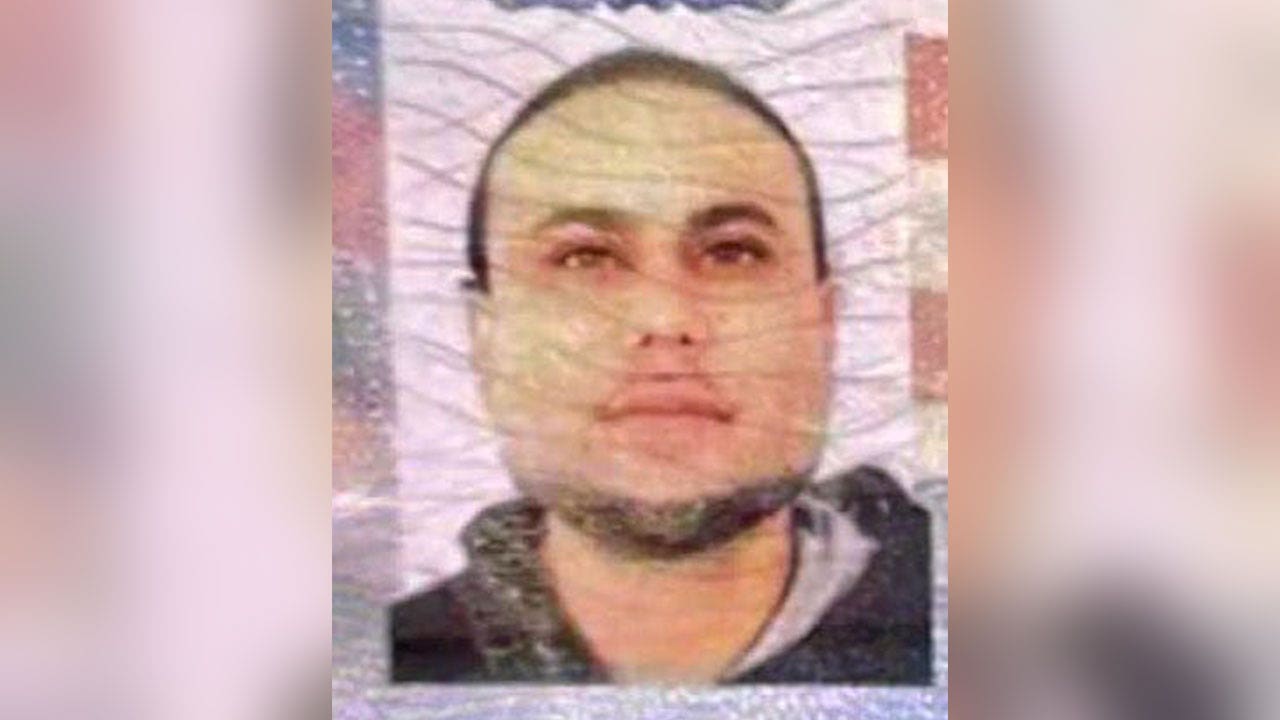
American citizen Gilbert Reyes Bermúdez was arrested in the Dominican Republic for allegedly killing three women in Roatán, Honduras. The suspect, 36-year-old Reyes Bermúdez, is accused of killing María Antonia Cruz, Nikendra McCoy, and Dione Solórzano after going out with them on January 6. The women were reported missing the next day, and their bodies were found with gunshot wounds in a vehicle three days later. Solórzano was reported to be Reyes’ ex-partner. Reyes Bermúdez fled Honduras and arrived in the Dominican Republic on March 16.
Authorities in the Dominican Republic seized cash, a passport, cell phones, and other personal items from Reyes Bermúdez. The process to extradite him back to Honduras has started, with crime scene evidence and witness testimony being used in the case against him. Honduras has the highest rate of femicide among Latin American countries and the fifth highest in the world. The Central American country is known for the intentional murder of women, and Reyes Bermúdez’s case has garnered attention in light of this troubling statistic.
The tragic incident involving the three women in Roatán highlights the ongoing issue of violence against women in Honduras and the importance of holding perpetrators accountable for their actions. The Honduran government has expressed its commitment to pursuing justice for the victims and ensuring that Reyes Bermúdez faces legal consequences for his alleged crimes. The process of extraditing him from the Dominican Republic back to Honduras is underway, with authorities planning to use available evidence and witness testimony in the case against him.
The case of Gilbert Reyes Bermúdez serves as a reminder of the prevalence of femicide in Honduras and the urgent need to address this issue through legal avenues and social awareness campaigns. The high rate of intentional murder of women in the country underscores the importance of taking concrete steps to protect vulnerable populations and hold perpetrators accountable for their actions. The arrest of Reyes Bermúdez and the process of extradition back to Honduras represent a significant development in the pursuit of justice for the victims and their families.
As the investigation into the killings in Roatán progresses, authorities in both Honduras and the Dominican Republic are working to ensure that Reyes Bermúdez faces trial for his alleged crimes. The involvement of international law enforcement agencies, such as OCN-Interpol Santo Domingo, underscores the cooperation necessary to address transnational crimes and hold suspects accountable across borders. The extradition process and legal proceedings in Honduras will be crucial in determining the outcome of Reyes Bermúdez’s case and delivering justice for the victims of this tragic incident.
Efforts to combat femicide and violence against women in Honduras must be comprehensive and targeted to address the root causes of gender-based violence in the country. The government, civil society organizations, and international partners must work together to implement effective strategies for prevention, protection, and prosecution of crimes against women. The case of Gilbert Reyes Bermúdez serves as a stark reminder of the urgency of addressing femicide and ensuring that perpetrators are held accountable for their actions, both within the country and across borders.