



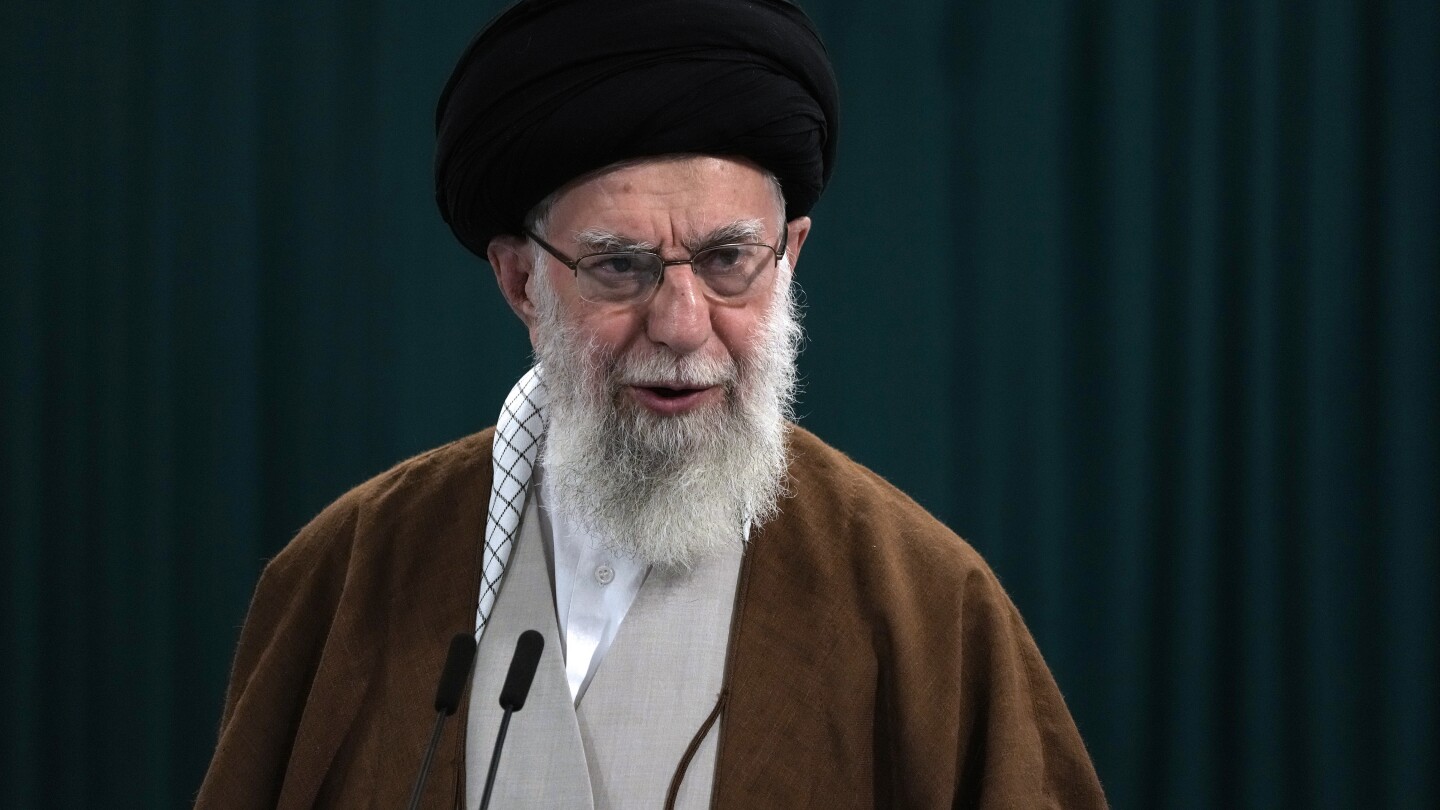
The death of Iran’s President Ebrahim Raisi in a helicopter crash is unlikely to lead to immediate changes in Iran’s ruling system or policies, as these are decided by Supreme Leader Ayatollah Ali Khamenei. Raisi was seen as a potential successor to Khamenei, but his death opens up possibilities for other candidates, including Khamenei’s son. A hereditary succession could pose a crisis of legitimacy for the Islamic Republic, which was established as an alternative to monarchy but is viewed by many Iranians as corrupt and dictatorial. The upcoming election to select a new president will likely be carefully managed to ensure that the status quo is maintained.
Iran’s government operates through regular elections for president and parliament, but the supreme leader holds final authority over major policies, commands the armed forces, and controls the powerful Revolutionary Guard. The supreme leader also appoints half of the Guardian Council, a clerical body that vetoes candidates for key positions. While the clerics oversee the republic in theory to ensure compliance with Islamic law, in practice, the supreme leader manages the system to maintain his own priorities and prevent challenges to his role.
The succession process in Iran is crucial, as any major change is likely to come after Khamenei’s passing. The next supreme leader will be chosen by the Assembly of Experts, a body elected every eight years and vetted by the Guardian Council. The two most likely candidates to succeed Khamenei were Raisi and his son, Mojtaba, a Shiite cleric who has not held government office. The transfer of power from the supreme leader to his son could trigger backlash from Iranians critical of clerical rule and supporters who view the move as un-Islamic.
The potential ascension of Khamenei’s son as the next supreme leader could lead to increased unrest in Iran, given the already existing anger towards clerical rule and the economic hardships caused by Western sanctions. The enforcement of Islamic rule has also alienated segments of the population, particularly women and young people. The Islamic Republic has faced multiple waves of protests in recent years, highlighting the dissatisfaction among the populace. Raisi’s death adds uncertainty to the transition to a new supreme leader and may further fuel discontent and unrest within the country.