





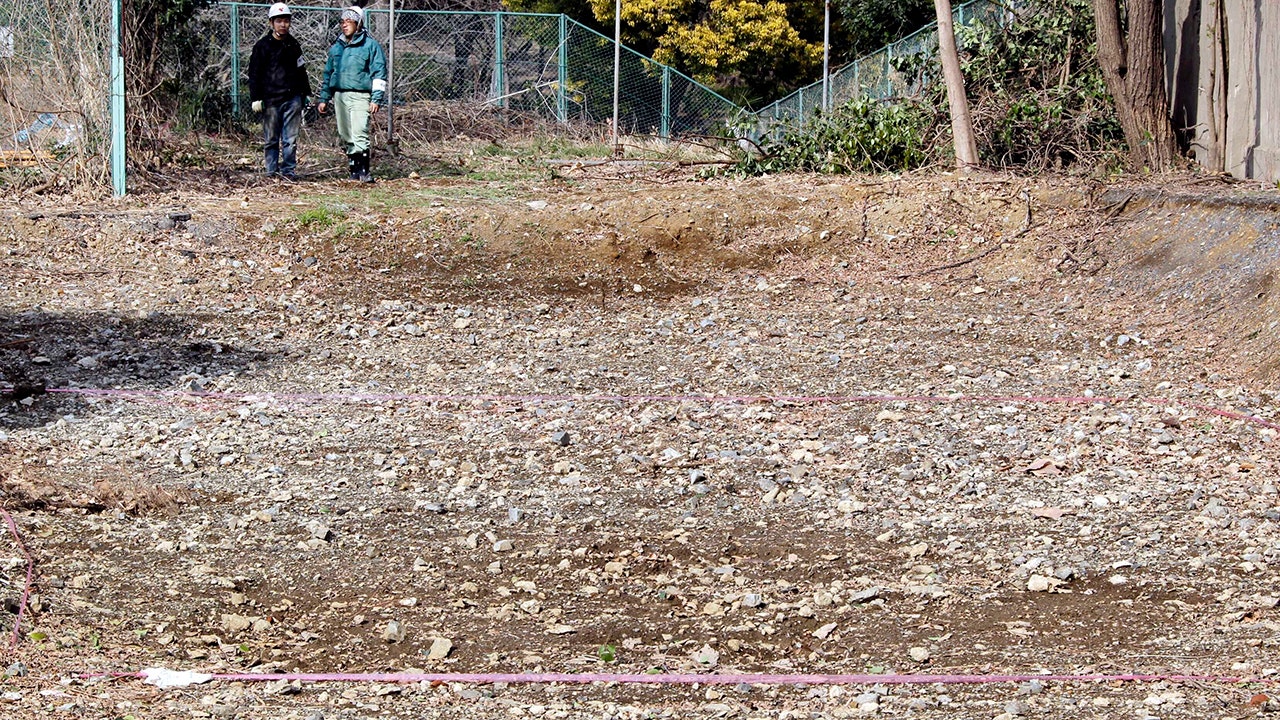
A group of activists, historians, and experts are pushing for the Japanese government to investigate a set of bones found in a Tokyo repository that could potentially be related to the wartime human germ warfare experiments. The discovery of these bones marked the 35th anniversary of their excavation and reignited calls for an independent panel to examine the evidence. This has sparked renewed interest in Japan’s history of wartime atrocities, including the sexual abuse of “comfort women” and the use of Korean forced laborers, which the government has been hesitant to address due to lack of documentary proof.
The unearthed bones, consisting of around a dozen skulls and parts of skeletons, were found during construction of a Health Ministry research institute in 1989 at the site of the wartime Army Medical School. Suspicions arose due to the school’s ties to a germ warfare unit that was known to conduct inhumane experiments on prisoners of war during WWII. However, a 2001 report based on interviews with 290 individuals associated with the school concluded that the bones were likely from bodies used in medical education or brought back from war zones for analysis, rather than victims of Unit 731.
Unit 731, with its headquarters in Japanese-controlled northeast China, was the center of several horrific experiments, including injecting prisoners with diseases and performing unnecessary surgeries. While lower-ranked officials were tried after the war, top leaders of Unit 731 escaped prosecution in exchange for their research data. Some high-ranking members went on to become medical professors and pharmaceutical executives, further obscuring the truth of their wartime activities.
Recent revelations from research materials obtained under freedom of information requests suggest that the government may have omitted key information from witness accounts, raising doubts about the official narrative. Calls for further investigation, including DNA testing to identify the bones and potentially return them to their families, continue to grow. Survivors from Unit 731 have shared their firsthand accounts of the atrocities they witnessed, underlining the urgency of uncovering the truth and preventing similar horrors from occurring in the future.
Despite the push for a more thorough investigation, government officials maintain that witness accounts were analyzed in the 2001 report and that the lack of documentary evidence makes it difficult to establish a definitive link to Unit 731. Destroyed documents from Japan’s wartime period present a significant challenge in finding new evidence to support claims about the origins of the bones. Witness testimonies, like that of former Unit 731 member Hideo Shimizu, shed light on the darkness of war and the atrocities committed in the name of medical research.
The quest to uncover the truth behind the bones found in Tokyo continues, driven by a desire to honor the memories of those who suffered during wartime experiments and bring closure to their families. While the Japanese government has been reluctant to fully address its wartime atrocities, calls for transparency and accountability persist from activists, historians, and survivors alike. The bones serve as a reminder of the horrors of war and the importance of acknowledging past wrongs to prevent their repetition in the present and future.