





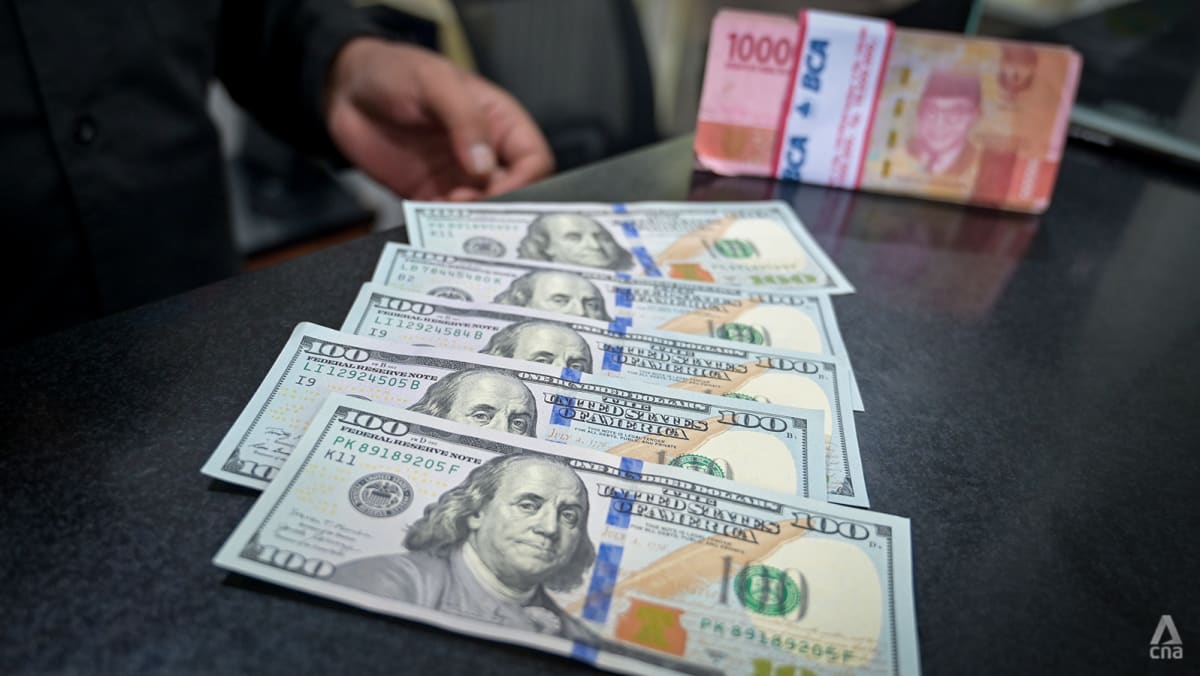
The Indonesian rupiah is one of several Asian currencies that have weakened against the US dollar in the current year. This presents a complex situation for workers and industries in the country, as the depreciation of the rupiah has both positive and negative impacts. On one hand, a weaker rupiah can make Indonesian exports more competitive in the global market, potentially leading to increased demand and higher revenues for businesses that rely on overseas sales. However, the flip side of this situation is that industries that must import raw materials or equipment from foreign markets will be hit hard by the devaluation of the currency, as their costs will increase.
Economists are warning that the depreciation of the rupiah could have significant negative consequences for industries that heavily rely on imports. These sectors may experience rising costs and reduced profit margins, which could ultimately result in layoffs or downsizing. Additionally, consumers may also feel the impact of a weakening currency, as imported goods may become more expensive, leading to inflation and potentially lower purchasing power for Indonesian citizens. The overall economic growth of the country could be hindered by the devaluation of the rupiah, as businesses struggle to adapt to higher costs and the uncertain financial environment.
Workers in Indonesia are also facing challenges as a result of the weakening rupiah. While some industries may benefit from the increased competitiveness of Indonesian exports, others may see their purchasing power eroded as the costs of imported goods rise. This could lead to wage stagnation or reductions in real income for workers, further exacerbating economic inequalities within the country. As businesses grapple with higher costs and lower profit margins, they may be less inclined to offer wage increases or bonuses to their employees, leaving workers feeling the squeeze of a depreciating currency.
In response to the challenges posed by the weakening rupiah, the Indonesian government may need to take proactive measures to stabilize the currency and support industries that are struggling as a result of the depreciation. This could involve implementing monetary policies to control inflation and interest rates, as well as providing targeted support to vulnerable sectors of the economy. Additionally, efforts to boost domestic production and reduce reliance on imported goods may help mitigate the impacts of a weaker rupiah on businesses and workers in Indonesia. Collaboration with international partners and organizations could also provide opportunities for financial assistance and resources to help the country weather the storm of a devalued currency.
Despite the challenges posed by the weakening rupiah, there may also be opportunities for businesses and workers to adapt and thrive in the current economic environment. Some industries may find new markets for their exports or diversify their product offerings to offset the impact of higher import costs. Workers may also seek out new skills or training opportunities to remain competitive in a changing labor market, potentially leading to higher incomes and job security in the long run. By remaining flexible and innovative in their strategies, businesses and workers in Indonesia can navigate the complexities of a depreciating currency and emerge stronger on the other side.
In conclusion, the depreciation of the Indonesian rupiah against the US dollar presents a mixed bag of challenges and opportunities for businesses and workers in the country. While some industries may benefit from increased competitiveness in the global market, others may struggle with rising import costs and reduced profit margins. Workers may face stagnant wages and inflationary pressures as the currency weakens, creating additional financial hardships for individuals and families. By taking proactive measures to stabilize the currency and support vulnerable sectors of the economy, the Indonesian government can help businesses and workers weather the storm of a devalued rupiah. With innovation and adaptability, businesses and workers in Indonesia can overcome the challenges posed by a weakening currency and emerge stronger in the long term.