




Close Menu
West TimelinesWest Timelines
  • News
  • Politics
  • World
    • Africa
    • Asia
    • Australia
    • Europe
      • United Kingdom
      • Germany
      • France
      • Italy
      • Russia
      • Spain
      • Turkey
      • Ukraine
    • North America
      • United States
      • Canada
    • South America
  • Business
    • Finance
    • Markets
    • Investing
    • Small Business
    • Crypto
  • Elections
  • Entertainment
  • Health
  • Lifestyle
    • Fashion
    • Food & Drink
    • Travel
    • Astrology
  • Weird News
  • Science
  • Sports
    • Soccer
  • Technology
  • Viral Trends
Trending Now

Dubai Spotlight: Analyzing the Evolving Audience Tastes with AI Social Listening Tools in the UAE

4 weeks ago

مرآة التاريخ: تحليل البناء السردي للدروس الخالدة في قصص الأنبياء والإسلام

1 month ago

السندات الحكومية والشركات: أساسيات الاستثمار الآمن والدخل الثابت

1 month ago

UAE Ranks Among Top Rugby Markets on TOD as British & Irish Lions Tour Kicks Off

5 months ago

Darven: A New Leap in AI-Powered Legal Technology Launching from the UAE to the World

6 months ago
Facebook X (Twitter) Instagram
West TimelinesWest Timelines
  • News
  • US
  • #Elections
  • World
    • North America
      • United States
      • Canada
    • Europe
      • United Kingdom
      • Germany
      • France
      • Italy
      • Spain
      • Ukraine
      • Russia
      • Turkey
    • Asia
    • Australia
    • Africa
    • South America
  • Politics
  • Business
    • Finance
    • Investing
    • Markets
    • Small Business
    • Crypto
  • Lifestyle
    • Astrology
    • Fashion
    • Food & Drink
    • Travel
  • Health
  • Sports
    • Soccer
  • More
    • Entertainment
    • Technology
    • Science
    • Viral Trends
    • Weird News
Subscribe
  • Israel War
  • Ukraine War
  • United Kingdom
  • Canada
  • Germany
  • France
  • Italy
  • Russia
  • Spain
  • Turkey
  • Ukraine
West TimelinesWest Timelines
Home»News
News

Supreme Court Ready to Limit Application of Anti-Corruption Law

April 15, 2024No Comments3 Mins Read
Facebook Twitter Pinterest LinkedIn Telegram Email WhatsApp Copy Link

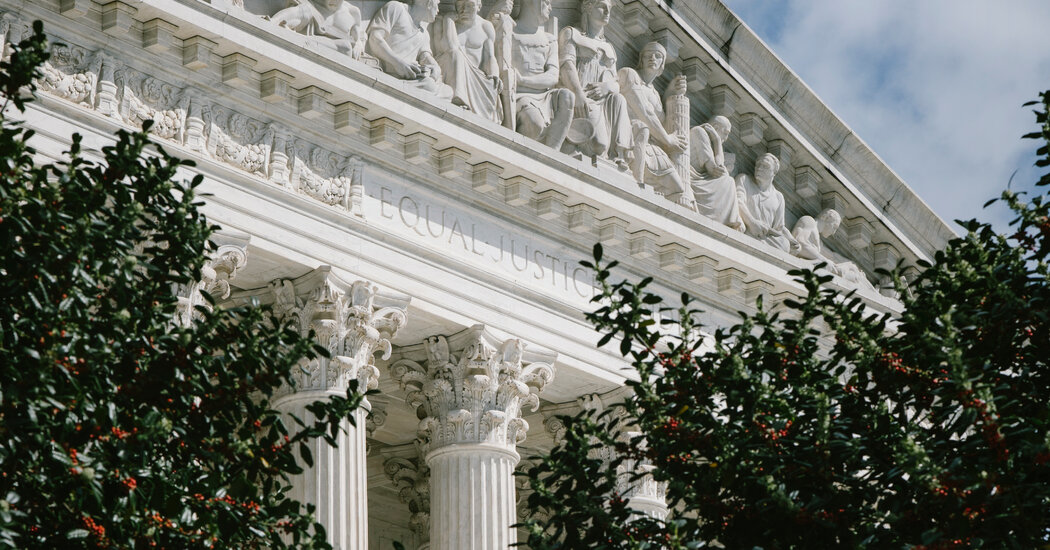
The Supreme Court heard arguments on Monday regarding a federal law that makes it a crime for state and local officials, as well as institutions receiving federal funds, to accept gifts or payments intended to influence their actions. The case involved James Snyder, the former mayor of Portage, Indiana, who was charged with violating the law after receiving $13,000 from a local company following a bidding process that prosecutors said had been manipulated in the company’s favor. Despite warnings that a broad interpretation of the law could criminalize routine gifts, Snyder was found guilty and sentenced to 21 months in prison. The justices debated whether the law applies only to pre-arranged bribes or also includes post-action gratuities.

Lawyer Lisa S. Blatt, representing Snyder, argued that drawing a line between permissible and prohibited gifts under the law was arbitrary and impossible. She gave examples of various gifts, such as meals at different restaurants, questioning where the line should be drawn. Justice Sonia Sotomayor pointed out that the law requires that the payment be in connection with actions worth at least $5,000, to which Blatt agreed, citing medical procedures as an example. The government, represented by Colleen R. Sinzdak, argued that the law was not meant to punish innocuous gift-giving but rather targeted more egregious requests for payments in exchange for favorable actions, such as those made to police chiefs or safety inspectors.

Justice Brett Kavanaugh acknowledged that the facts of Snyder’s case favored the government’s interpretation of the law but noted that the court needed to consider how it would apply in other situations. Justice Elena Kagan raised concerns about the broad application of the law, which she said could encompass not just government officials but also many other important institutions in America. She posed a hypothetical scenario involving a hospital providing special treatment to a billionaire in hopes of a large contribution, questioning whether that could lead to a prison sentence. Chief Justice John G. Roberts Jr. expressed reservations about relying solely on the judgment of prosecutors in such cases.

The Supreme Court has historically interpreted anti-corruption laws narrowly, as seen in previous rulings that overturned convictions in cases involving bid-rigging, illicit payments, and abuse of power by government officials. In the Bridgegate scandal involving associates of former New Jersey Governor Chris Christie, the court ruled that while their actions were an abuse of power, they did not constitute a federal crime. Similarly, in the case of former Virginia Governor Bob McDonnell, the court unanimously overturned his conviction for accepting luxury gifts from a business executive, indicating a reluctance to broadly apply anti-corruption laws. The outcome of the current case involving James Snyder may further establish the court’s stance on the scope and application of such laws.


Follow on Google News Follow on Flipboard
Share. Facebook Twitter Pinterest Email Telegram WhatsApp Copy Link

You Might Like

Array

Array

Array

Array

Array

Array

Editors Picks

مرآة التاريخ: تحليل البناء السردي للدروس الخالدة في قصص الأنبياء والإسلام

1 month ago

السندات الحكومية والشركات: أساسيات الاستثمار الآمن والدخل الثابت

1 month ago

UAE Ranks Among Top Rugby Markets on TOD as British & Irish Lions Tour Kicks Off

5 months ago

Darven: A New Leap in AI-Powered Legal Technology Launching from the UAE to the World

6 months ago

Jordan to Host Iraq in the Final Round of the Asian World Cup Qualifiers After Securing Historic Spot

6 months ago

Latest News

فلسطين: قلبٌ ينبض بالصمود والأمل

7 months ago

Roland Garros 2025: A New Era of Viewing, A Tribute to Legends, and Moments to Remember

7 months ago

Array

7 months ago
Advertisement
Facebook X (Twitter) TikTok Instagram Threads
© 2025 West Timelines. All Rights Reserved. Developed By: Sawah Solutions
  • Privacy Policy
  • Terms
  • Contact

Type above and press Enter to search. Press Esc to cancel.