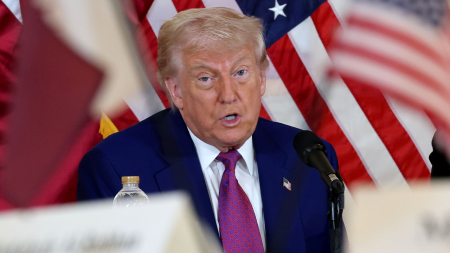





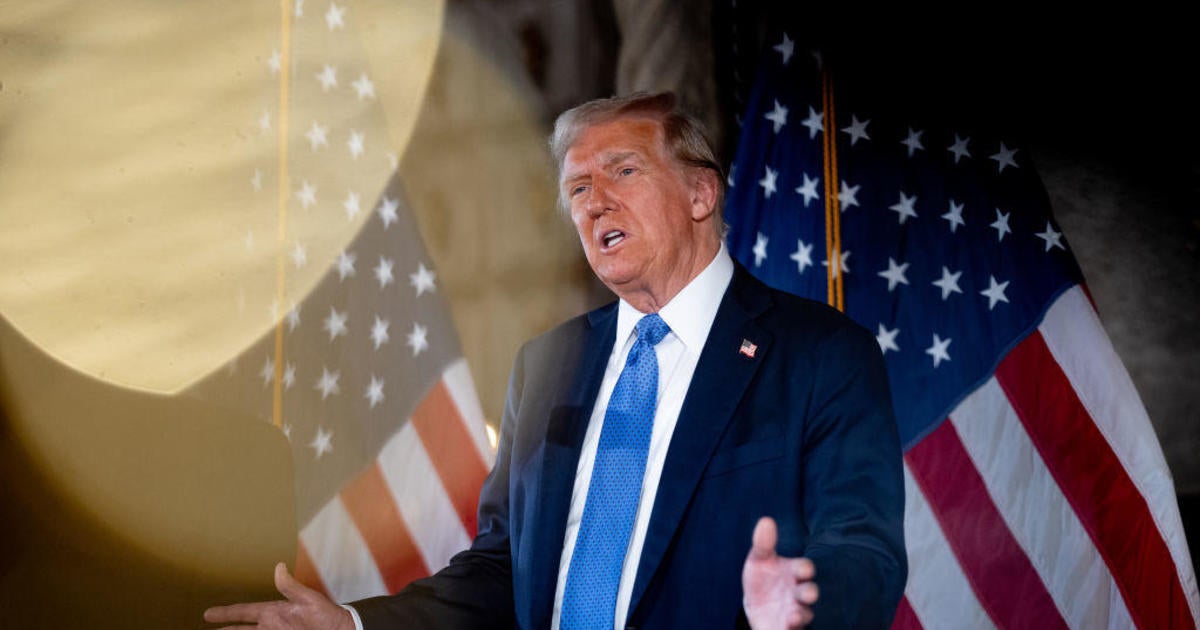
President-elect Donald Trump is considering using recess appointments to quickly install his picks to key government positions, bypassing the Senate confirmation process. However, there is another option available to him: the Federal Vacancies Reform Act, or the Vacancies Act, which allows acting officials to temporarily fill vacant positions that require Senate confirmation. Trump has used this tactic in his first term by installing “acting” leaders at various federal agencies, and he may continue to do so in his second term to ensure agencies are staffed with individuals loyal to him and his agenda.
The Vacancies Act allows for three categories of federal workers to fill temporary positions: the “first assistant” or deputy to the vacant office, another administration official who has Senate confirmation, or an agency employee who has worked there for at least 90 days and is at the highest level of the civil service pay scale. Acting officials can serve for a limited time under the law, with an initial 300-day limit at the beginning of a new administration that can be extended with a pending Senate nomination. Trump may follow a similar playbook from his first term by appointing noncontroversial civil servants to acting roles during the early days of his second term, with the landscape evolving over time as Senate-confirmed officials become available for higher-level positions.
During his first term, Trump used more temporary leaders than confirmed ones, according to research from a law professor at Stanford University. The extent to which Trump will rely on the Vacancies Act in his second term will likely depend on his legislative priorities, such as tax reform, border security, and potentially Supreme Court nominations. The Vacancies Act can offer a way to fill lower-level agency positions if Senate confirmation becomes a challenge. While much attention has been on Trump’s picks for senior roles in his administration, subagency leadership positions could also be filled through the Vacancies Act or through delegation of duties to subordinates.
Trump has unveiled his personnel picks for various roles in his new administration, including Cabinet positions, ambassadorships, and senior White House staff. Notably, one candidate for attorney general, former Rep. Matt Gaetz of Florida, withdrew from consideration after facing allegations of sexual misconduct and illicit drug use. As Trump prepares for his second term, the Vacancies Act could be a tool he uses to quickly install loyalists in key government positions, ensuring that his agenda is implemented across federal agencies. The use of acting officials through this law may help overcome potential challenges in the Senate confirmation process for his nominees.