




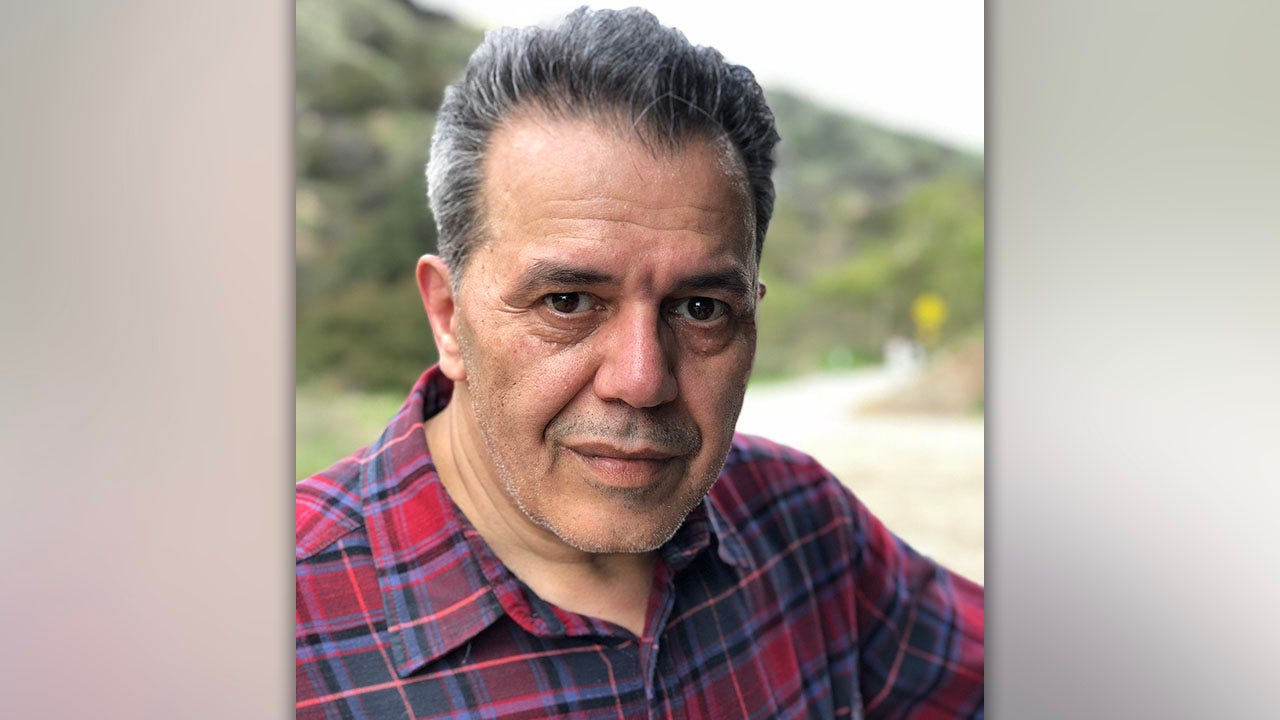
The journalist Jamshid Sharmahd, a resident of California and a critic of the Iranian regime, was reportedly executed by the Islamic Republic of Iran. The 69-year-old was killed on Monday morning, according to the regime’s judiciary Mizan website. Sharmahd’s daughter, Gazelle, decried his execution, stating that her father was an innocent man being scapegoated by the regime over bombing allegations. Sharmahd was characterized as a law-abiding resident and a U.S. national under the Levinson law, despite being a German citizen. The Levinson Act defines a “U.S. national” as a lawful permanent resident with significant ties to the United States.
The Biden administration faced criticism for allegedly abandoning Sharmahd’s case and leaving it to Germany. Critics claimed that the German government failed to use its economic and political leverage to secure Sharmahd’s release. Sharmahd had survived an assassination attempt in California and was later kidnapped by the Iranian regime in Dubai in 2020. The regime-controlled website Mizan accused Sharmahd of committing terrorist acts on behalf of the U.S. and Israel, despite lack of evidence. Human rights activist Lawdan Bazargan called for international action against the Iranian regime, urging countries to expel Iranian diplomats and declare the IRGC a terrorist organization.
Amnesty International criticized Sharmahd’s trial as grossly unfair, noting that the charge of “corruption on earth” is not clearly defined in Iranian law. The organization also highlighted the mistreatment of Sharmahd in custody, including enforced disappearance, torture, and denial of adequate health care since July 2020. Tehran claimed that Sharmahd played a role in a 2008 terrorist attack in Shiraz, Iran, but conflicting reports cast doubt on the regime’s narrative. Jason Poblete, Sharmahd’s attorney, confirmed reports of his client’s execution and requested privacy for the family. Iranian journalist Vahid Beheshti condemned the regime for Sharmahd’s murder.
Calls for international pressure on Iran to halt executions and release political prisoners have intensified. Lawdan Bazargan urged global unity against the Iranian regime, particularly in expelling diplomats and closing embassies that serve as terror safe houses. The U.S. State Department was contacted for comment, as the international community seeks to hold Iran accountable for its human rights violations. Sharmahd’s case is part of a larger pattern of repression and lack of due process in Iran’s justice system, highlighting the need for increased scrutiny and action from the international community against the regime in Tehran.