





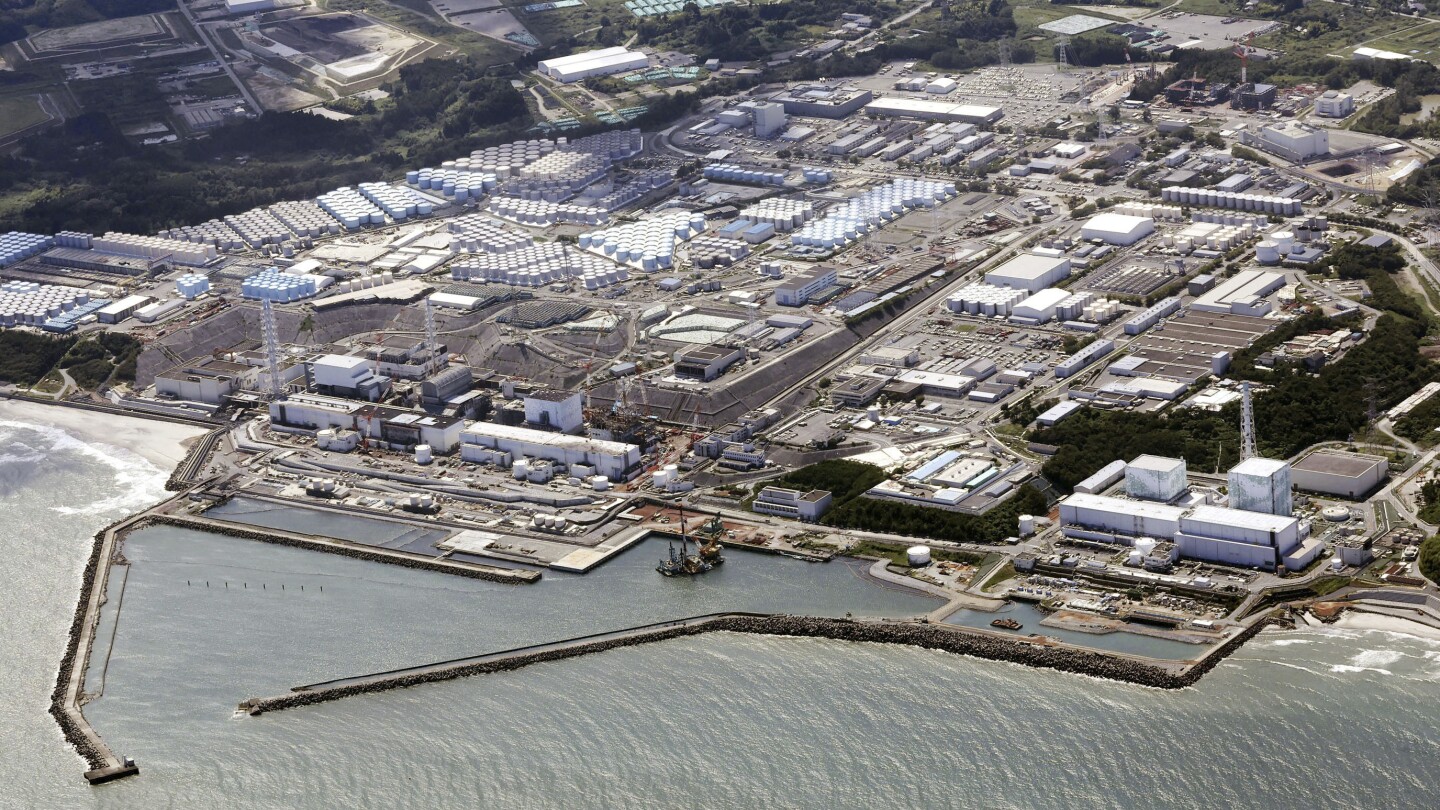
The Japanese government has engaged in talks with Chinese experts to address Beijing’s concerns regarding the discharge of treated radioactive wastewater from the Fukushima Daiichi nuclear power plant into the sea. The discharges have been met with opposition from fishing groups and nearby countries, particularly China, which has implemented a ban on all imports of Japanese seafood. This ban has notably impacted Japanese scallop growers and exporters to China. The talks held in Dalian aimed to provide a “science-based” explanation of how the discharges have been safely carried out as planned, with Japanese officials emphasizing the safety measures in place.
The Fukushima Daiichi nuclear power plant faced significant damage following a 2011 earthquake and tsunami, leading to meltdowns of three reactors and the accumulation of large amounts of radioactive wastewater over the years. After more than a decade of storage in tanks on the complex, the plant began discharging the treated water into the sea on August 24, following a process that is expected to span decades. Japanese Prime Minister Fumio Kishida and Chinese President Xi Jinping agreed during a summit meeting in November to hold scientific talks by experts, leading to a series of informal meetings between the two countries. The recent statement from the Japanese Foreign Ministry marks the first public acknowledgment of these talks, signaling a step towards addressing concerns and promoting transparency.
The experts involved in the talks exchanged views on technical matters related to the discharges, although specific details were not disclosed due to the sensitivity of the issue. While emphasizing the importance of transparency, the Japanese official declined to provide information on what the Chinese side communicated during the discussions or whether any differences have been narrowed as a result of the dialogue. The meeting took place shortly after the visit of International Atomic Energy Agency chief Rafael Mariano Rafael to the Fukushima plant in mid-March, where he confirmed that the ongoing discharges have been safely conducted according to plan, offering reassurance to both the Japanese government and neighboring countries.
The discharge of treated radioactive wastewater from the Fukushima Daiichi nuclear power plant remains a contentious issue, with concerns raised by fishing groups and neighboring countries, particularly China. The talks between Japanese and Chinese experts represent a diplomatic effort to address these concerns and provide reassurance regarding the safety measures in place during the discharge process. The Japanese government has emphasized the science-based explanation of the discharges and the transparency of the discussions, signaling a commitment to addressing the issue collaboratively with China and other stakeholders. While challenges remain in narrowing differences and building consensus, the engagement in dialogue marks a step towards addressing the complex legacy of the Fukushima disaster and its impact on the environment and international relations.
The discharge of treated radioactive wastewater from the Fukushima Daiichi nuclear power plant is a complex and long-term process that requires ongoing monitoring and collaboration between stakeholders. The involvement of international experts, such as those from Japan and China, highlights the importance of scientific cooperation in addressing nuclear safety and environmental concerns. As the discharges continue over the coming decades, it will be crucial for all parties involved to maintain transparency, communication, and accountability to ensure the safe and responsible management of radioactive materials. The recent talks between Japanese and Chinese experts represent a positive step towards achieving these goals and building trust in the management of the Fukushima Daiichi plant and its wastewater discharge process.