




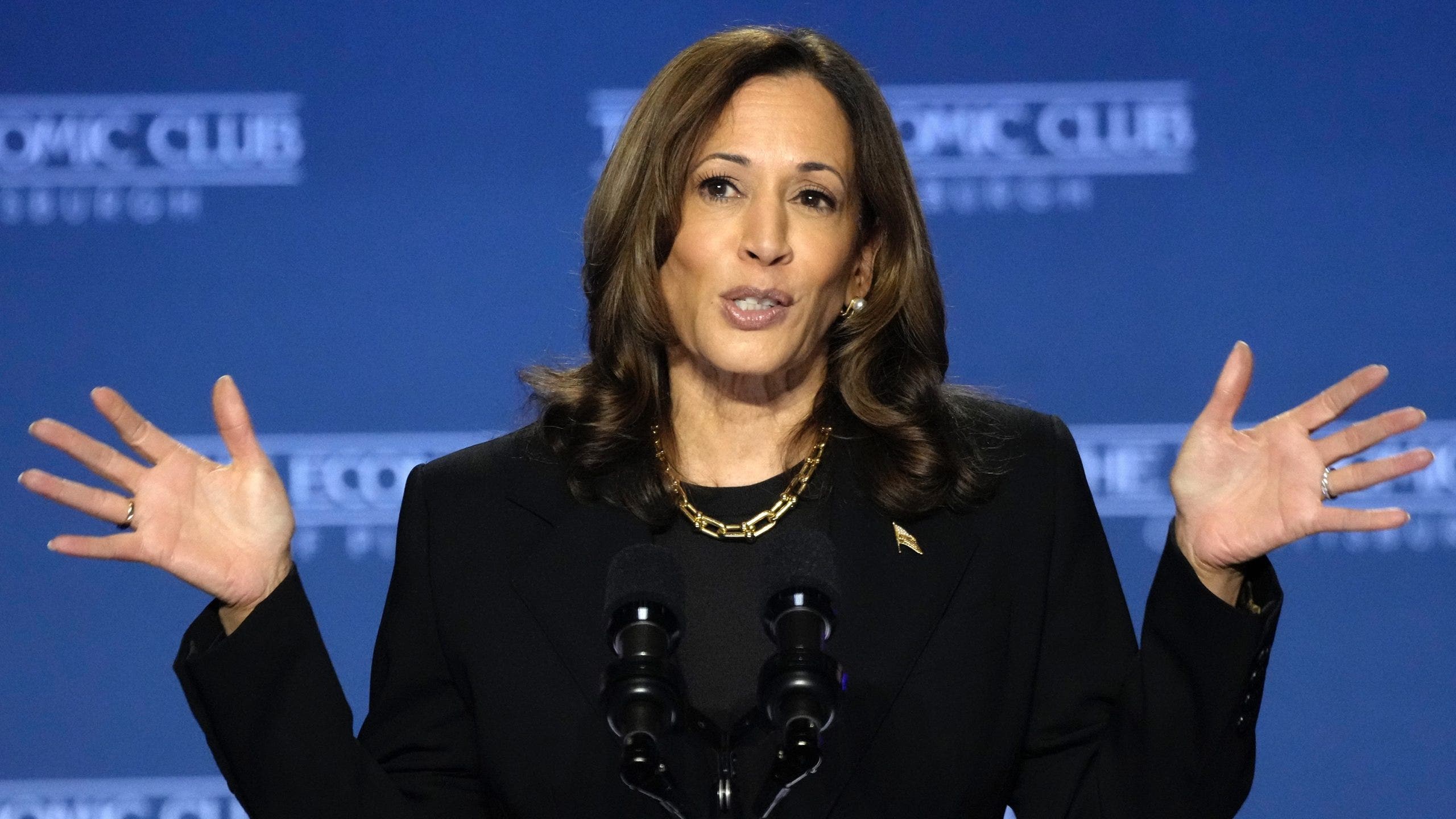
Vice President Harris delivered a highly anticipated economic address in Pittsburgh, outlining her three-pillared economic agenda focused on lowering costs, investing in American innovation and entrepreneurship, and leading in industries of the future. She criticized former President Trump for his lack of intention to lower costs and hinderance of small businesses, as well as his failed promises regarding manufacturing job creation and trade deficit with China. Harris emphasized her support for the middle class, proposing tax incentives for new industries and benefits for first-time home buyers and families with newborns.
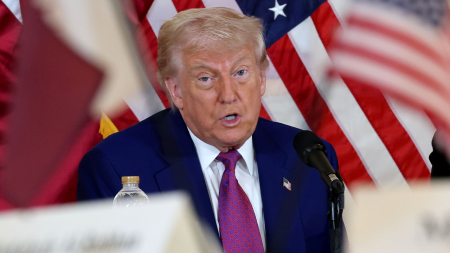
In response to Harris’s address, the Trump campaign released a statement accusing her of lying and failing to prove herself over the past three and a half years. They highlighted economic struggles under the Biden administration and stressed Trump’s ability to make America wealthy again. Trump has consistently criticized Harris as a far-left socialist, with Harris asserting that she is a capitalist who believes in free markets and American innovation. With the economy being a top concern for voters, polls vary in terms of which candidate is perceived as better able to handle the economy, with Trump currently holding a varying lead over Harris in different surveys.
As the election approaches, Pennsylvania remains a critical battleground state, with both Harris and Trump vying for voter trust in handling the economy. Trump holds a slim lead over Harris in Pennsylvania, a key state with the potential to determine the outcome of the election. Polls have shown a deadlocked race between the two candidates in Pennsylvania, underscoring the competitiveness of the contest. With early voting underway and less than six weeks until Election Day, both campaigns are intensifying efforts to win over voters and secure the White House.
Harris’s economic address placed a strong emphasis on lowering the costs of childcare and elder care, two major concerns for middle-class Americans facing rising prices. She criticized Trump for prioritizing the wealthy and big businesses over average Americans, who she pledged to support through her proposed tax incentives and financial assistance programs. Harris framed her economic proposals as essential for facilitating economic growth and enabling individuals to pursue their aspirations, ultimately strengthening the nation’s economy as a whole.
As the candidates continue to campaign and debate their economic platforms, the issue of the economy remains a key focus for voters across the country. With differing perceptions of which candidate is better suited to address economic challenges and support the middle class, the race remains close and unpredictable. Pennsylvania’s role as a battleground state with significant electoral votes underscores its importance in the upcoming election, with both Harris and Trump striving to win over voters and secure a path to victory in November.