

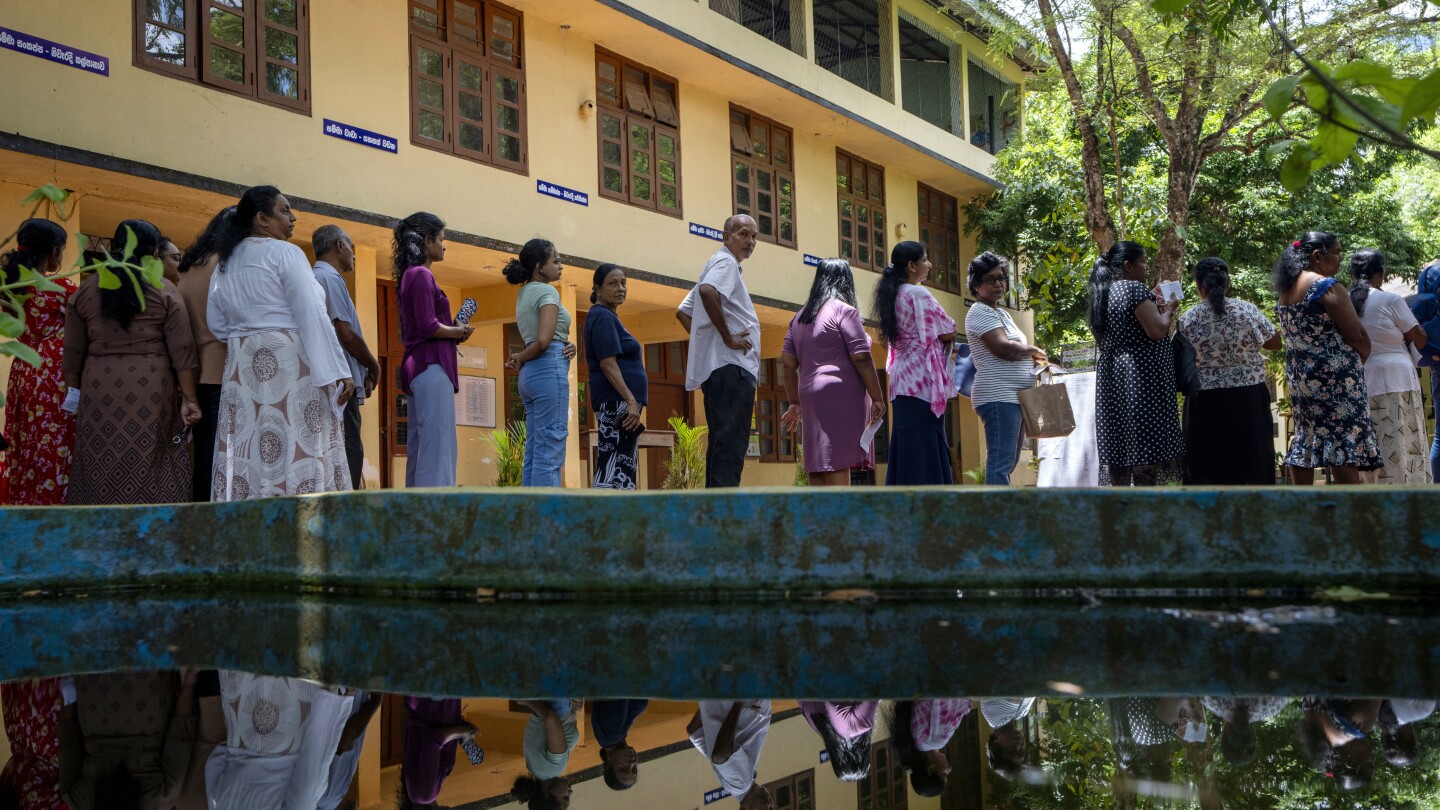
Sri Lanka recently concluded its presidential election with 38 candidates vying for the position to address the worst economic crisis in the country’s history. Incumbent liberal President Ranil Wickremesinghe faced competition from Marxist-leaning lawmaker Anura Kumara Dissanayake and opposition leader Sajith Premadasa in a largely three-way race. Authorities declared a countrywide curfew until Sunday morning as a precaution, with final results expected to show whether Sri Lankans approve of Wickremesinghe’s efforts to lead the country’s fragile recovery by restructuring debt under an International Monetary Fund bailout program after defaulting in 2022.
The government announced a successful agreement in principle with private bond holders, marking the final hurdle in debt restructuring after Sri Lanka’s default left the country with $83 billion in local and foreign debt. Despite progress in economic figures, citizens are still grappling with high taxes and living costs. Both Premadasa and Dissanayake have promised to renegotiate the IMF deal to ease austerity measures, while Wickremesinghe warns that altering the agreement could delay crucial funds needed for stability. The election outcome is anticipated to address these economic challenges and lead the nation towards recovery and less corruption.
Voters expressed their concerns with corruption and its role in the current economic crisis, with hopes for a new leader who can tackle these issues and provide a better future for their children. Disenchantment with the political establishment, particularly regarding economic instability, may result in a fragmented vote with no single candidate securing 50%. In such a scenario, the top two candidates will engage in a second round of counting that considers second-preference votes. The possibility of more instability looms if a clear winner does not emerge, emphasizing the importance of selecting a leader who can guide the country through economic recovery.
Sri Lanka’s economic downturn stemmed from excessive borrowing on unprofitable projects, exacerbated by the COVID-19 pandemic and the government’s use of foreign reserves to support the currency. The resulting shortages of essentials like medicine, food, and fuel led to widespread protests, forcing then-President Gotabaya Rajapaksa to resign as Wickremesinghe took office. Now seeking another term, Wickremesinghe faces accusations of protecting the Rajapaksa family, held responsible for the economic crisis. The upcoming leadership will play a crucial role in addressing these issues and steering Sri Lanka towards stability and prosperity.