





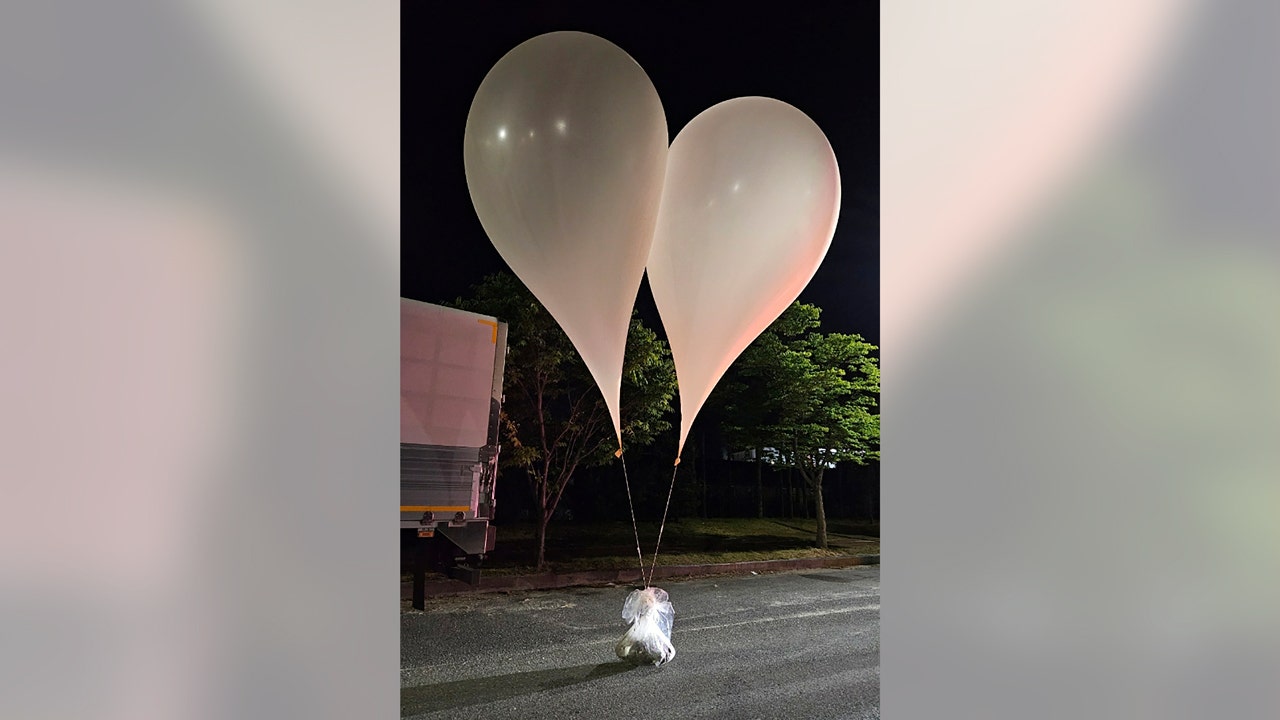
North Korea has recently launched a series of “trash balloons” towards South Korea, with more than 160 balloons carrying trash reportedly crossing the border. South Korea’s Joint Chiefs of Staff discovered dozens of bundles containing paper, plastic bottles, and household garbage in parts of Gyeonggi Province. This is part of an ongoing tit-for-tat between the two countries, with North Korea retaliating against South Korean civilian activists who fly anti-North Korean propaganda leaflets across the border. The North has previously launched thousands of balloons filled with various waste materials into South Korea, including wastepaper, cloth scraps, cigarette butts, and even manure.
Earlier this month, South Korea reported detecting around 420 balloons allegedly launched by North Korea. In July, trash carried by a North Korean balloon fell on the South Korean presidential compound, raising concerns about the vulnerability of key facilities. However, officials confirmed that the balloons contained no dangerous materials and that no one was injured. In response, South Korea has used front-line loudspeakers to blast propaganda messages and K-pop songs towards the North. These actions have added to existing tensions fueled by North Korea’s nuclear ambitions and South Korea’s joint military exercises with the United States.
The trash balloons are the latest escalation in the ongoing conflict between North and South Korea, which have been engaging in Cold War-style tactics since earlier this year. The balloons are considered a form of retaliation against South Korean activists who distribute anti-North Korean propaganda leaflets. North Korea’s use of balloons filled with various waste materials is a unique form of warfare that aims to provoke and intimidate South Korea. The South Korean government has responded by deploying loudspeakers to broadcast messages and music towards the North, as part of their own psychological warfare tactics.
The trash balloon incident underscores the volatile relationship between North and South Korea, which remains divided by decades of conflict and tension. The two countries have a long history of engaging in provocative acts towards each other. The trash balloons are just the latest in a series of incidents that have added to the already fraught situation on the Korean Peninsula. These escalating tensions are further exacerbated by North Korea’s nuclear ambitions and South Korea’s military alliances with other countries.
The international community has expressed concerns about the trash balloon incidents and the potential for further escalation in the region. The United States and the United Kingdom have raised alarms about the situation, as tensions continue to rise between North and South Korea. The use of balloons as a means of warfare highlights the unconventional tactics employed by North Korea in its efforts to intimidate and provoke its neighbor. The ongoing conflict between the two Koreas remains a major source of instability in the region, with the potential for further conflict and humanitarian consequences.
As the situation between North and South Korea continues to escalate, there are growing concerns about the impact on regional security and stability. The use of balloons to carry trash across the border is just one example of the unconventional tactics employed in the ongoing conflict. The international community must remain vigilant and work towards diplomatic solutions to prevent further escalation and potentially destabilizing consequences in the region. This latest incident serves as a reminder of the complex dynamics at play on the Korean Peninsula and the need for continued efforts to promote peace and security in the region.