




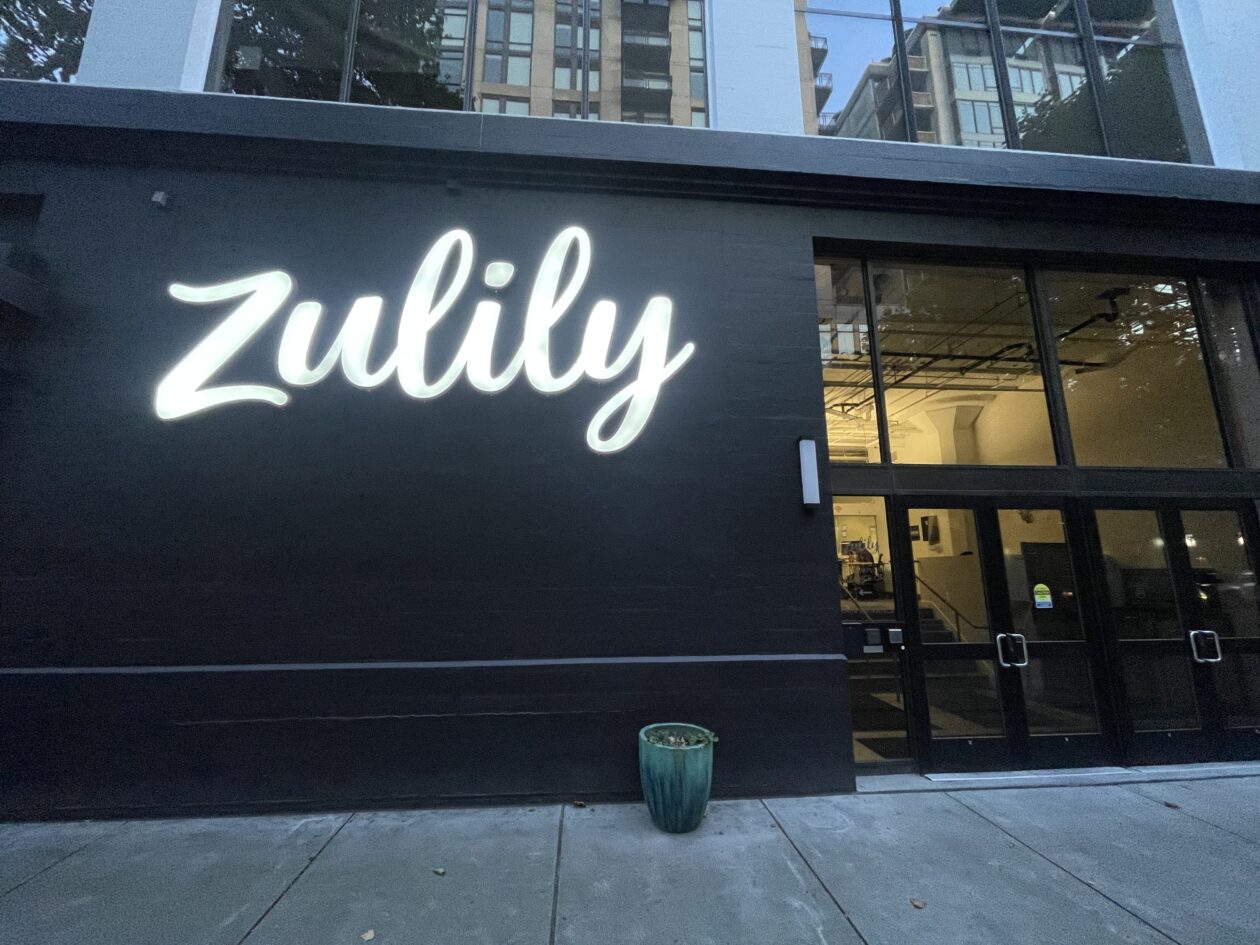
Former employees at Zulily, a Seattle-based e-commerce company, filed a class action lawsuit alleging that they did not receive proper notice or pay related to widespread layoffs last year. The lawsuit claims that the company’s former owner, Regent, violated the Worker Adjustment and Retraining Notification (WARN) Act, a federal law passed in 1988 to protect workers. The law typically requires a 60-day notice before a layoff or 60 days of severance pay for companies with 100 or more full-time employees. Regent allegedly did not provide this to remote workers, citing a loophole in the law. Plaintiffs in the suit, Jittania Smith and Kathryn Costello, intend to represent all Zulily remote workers in Washington and Nevada.
HKM Employment Attorneys LLP is representing the plaintiffs in the class action lawsuit against Zulily. The assignment of remote workers under the WARN Act is described as a complex and unsettled issue due to the nature of remote work today and how the law was written. Zulily initially launched in 2010 and became a successful e-commerce platform serving moms and kids through flash sales. However, the company struggled after being acquired by QVC’s parent company in 2015 for $2.4 billion. Under Regent’s ownership, Zulily faced layoffs, unpaid vendors, and ultimately liquidation in late 2023, despite still generating significant sales that year.
Beyond Inc. acquired Zulily’s brand assets for $4.5 million in March and is planning a relaunch this year. The company clarified that they are not involved in the class action lawsuit filed by former Zulily employees against Regent. Seattle startup Convoy also faced a lawsuit related to the WARN Act after a sudden shutdown, but the case was dismissed in March. Zulily is still involved in a lawsuit against Amazon that was filed in December when the company was still under Regent’s ownership.
The lawsuit against Zulily highlights issues surrounding employee protections in cases of mass layoffs within companies. It also sheds light on the challenges faced by remote workers when it comes to receiving proper notice and compensation as required by the WARN Act. The acquisition of Zulily’s brand assets by Beyond Inc. offers a fresh start for the company, but the legal battles from the past ownership continue to loom. The complexity of the WARN Act and its application to remote workers further adds to the legal disputes in cases of company closures and layoffs.
The class action lawsuit represents a fight for justice on behalf of Zulily’s former remote workers who were allegedly not provided with the required notice or compensation under the WARN Act. As the legal proceedings unfold, it will be interesting to see how the courts interpret and enforce the law in cases involving remote employees. The challenges faced by Zulily under Regent’s ownership serve as a cautionary tale for companies undergoing acquisitions and restructuring. The resolution of these legal disputes will have implications not only for the former Zulily employees but also for other remote workers and companies navigating similar situations in the future.