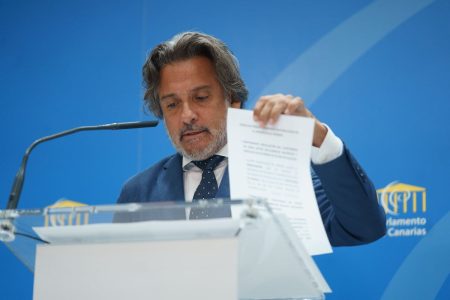





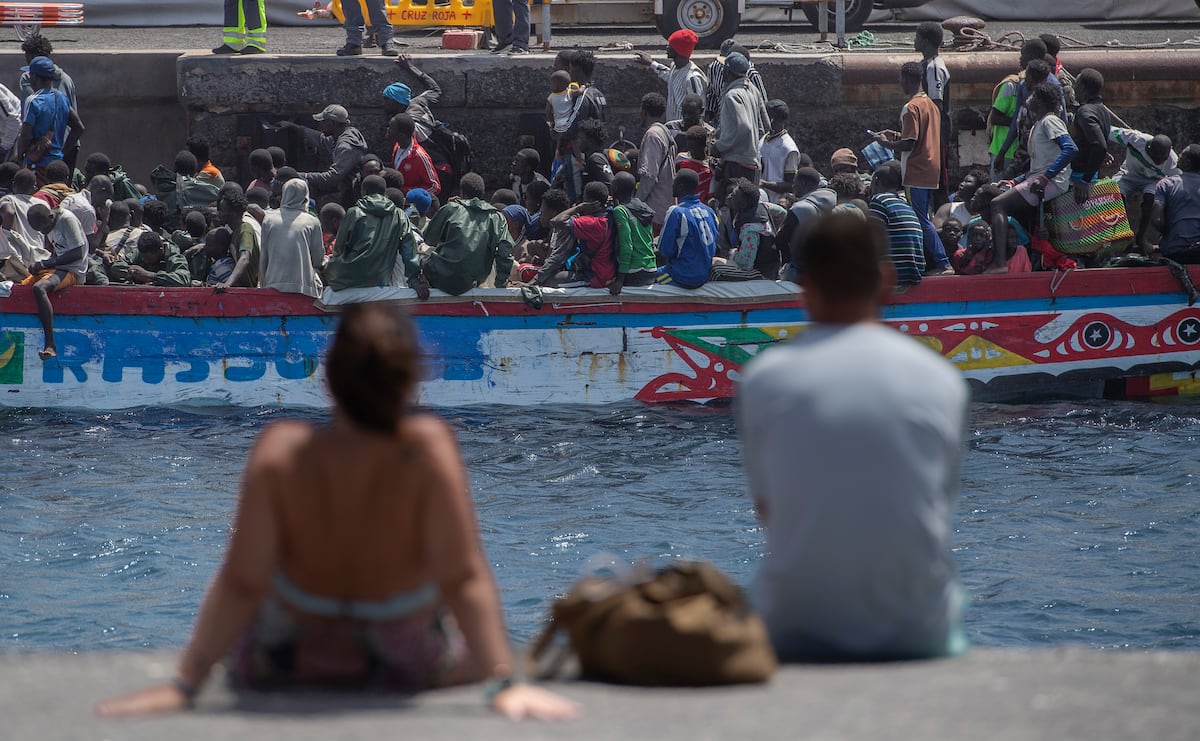
On July 4th, the parliamentary spokesperson for the PP, Miguel Tellado, proposed for the government to deploy frigates around the African coast to prevent migrant-filled boats from setting sail. The same morning, the socialist spokesperson, Patxi López, responded from the halls of Congress: “What will be next? Bombing rafts?” This exchange exemplifies the polarization of the public debate on immigration, pushed to extremes by the far-right, resulting in a lack of nuanced discussion. The Center for Sociological Research reflects the increasing importance placed on immigration by the population, often reducing the multifaceted issue to border security, whether it be in the Canary Islands, the Mediterranean, or the Rio Grande.
Anna Terrón, former State Secretary for Immigration under the government of José Luis Rodríguez Zapatero, emphasizes that the focus on reinforcing border security is just one aspect of the issue. She highlights the importance of the economy in relation to immigration, particularly in industries such as caregiving, traditionally reliant on immigrant labor. However, she notes that addressing labor conditions and exploitation among immigrants requires a more complex and less visible approach than simply increasing border security. Delmi Galeano, a Salvadoran immigrant in Spain and spokesperson for Sedoac, an organization advocating for immigrant domestic workers’ rights, shares the challenges faced by undocumented workers, highlighting the need for increased labor inspections to protect their rights.
The political tug-of-war around immigration continues, with conflicting proposals from different parties. The rise of Vox as a vocal opponent of immigration has influenced the PP’s stance, leading to shifts in their positions on immigration-related legislative initiatives. The debate has become symbolic and devoid of substantive content, with a lack of effective measures to address the issue. Blanca Garcés, a researcher specializing in migrations, criticizes the focus on immigration as a divisive political tool, noting the shortcomings of current policies in addressing the complexities of immigration dynamics in Spain. This failure to effectively manage immigration challenges hinders the possibility of achieving a national consensus on the matter.
Recent events, including Pedro Sánchez’s visit to African countries to address migrant arrivals in the Canary Islands, have fueled the debate on immigration in Spain. The influx of migrants through various routes poses a challenge, with a sizeable portion entering irregularly and adding to the population of undocumented immigrants. The changing dynamics of immigration in Spain reflect broader global trends, with socioeconomic factors driving migration patterns and policy responses. Hein de Haas, an expert on immigration, underscores the scapegoating of immigrants in response to broader economic and social challenges, highlighting the need for a more nuanced and inclusive approach to immigration policy.
The increasing hostility towards immigrants, fueled by political rhetoric and media sensationalism, has real-life consequences for immigrant communities in Spain. Delmi Galeano’s personal experiences underscore the growing animosity and discrimination faced by immigrants, exacerbated by negative portrayals in the media and extremist views espoused by certain groups. The deterioration of public discourse on immigration poses a threat to social cohesion and democratic values, underscoring the need for a more inclusive and empathetic approach to addressing the complexities of migration. Gemma Pinyol-Jiménez, an expert on migrations, calls for a reevaluation of how immigration is framed in political discourse, emphasizing the importance of promoting social cohesion and equality while safeguarding democratic principles.
In conclusion, the multifaceted nature of immigration challenges in Spain requires a comprehensive and balanced approach that goes beyond simplistic solutions or divisive rhetoric. The evolving dynamics of migration patterns and policy responses necessitate a nuanced understanding of the underlying social, economic, and political factors driving immigration. Addressing the root causes of migration, promoting social inclusion, and protecting the rights of migrants are essential components of a sustainable and humane immigration policy. By reframing the narrative around immigration and fostering dialogue based on empathy and understanding, Spain can navigate the complexities of migration while upholding democratic values and social cohesion.