



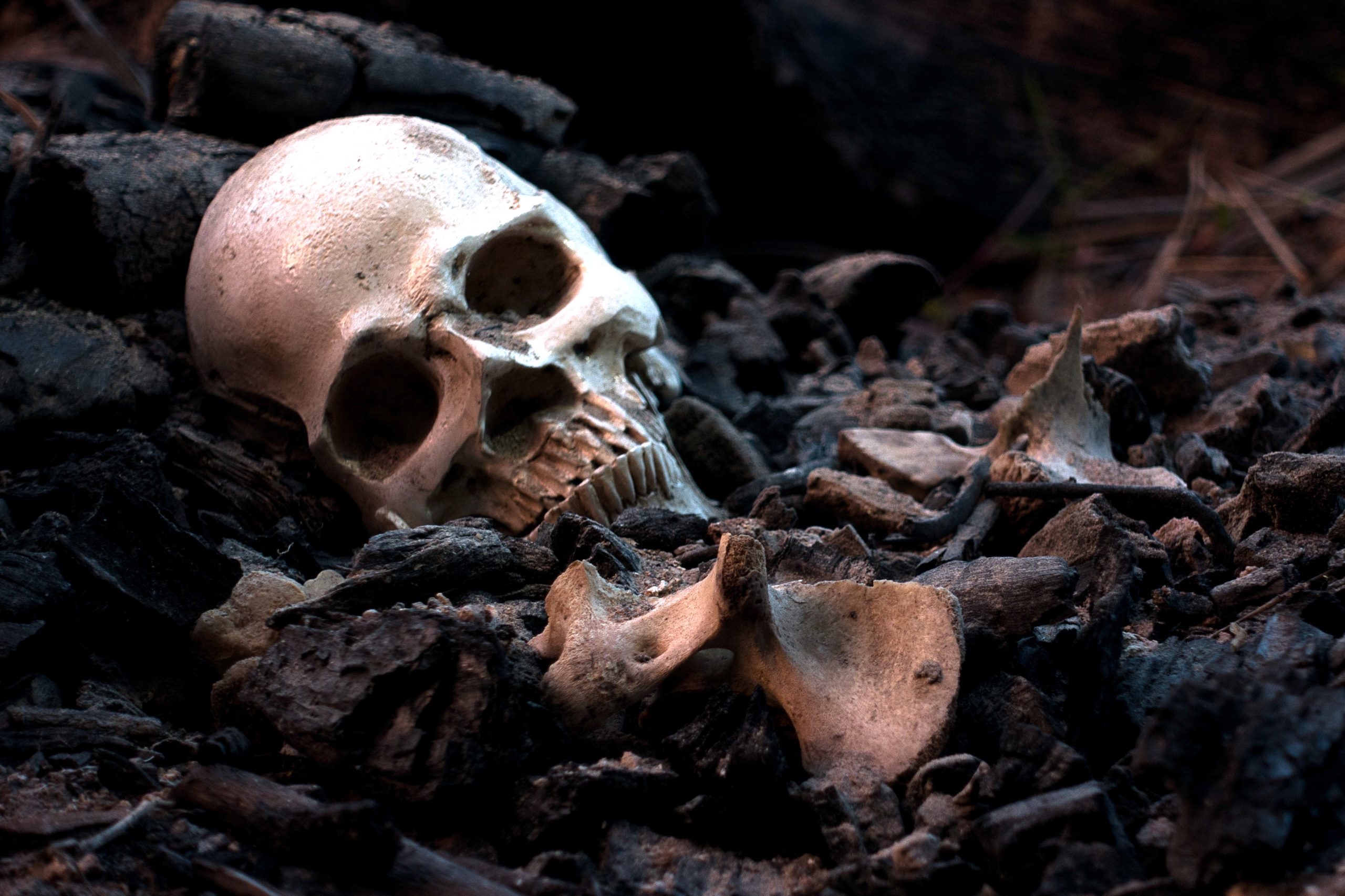
A prehistoric human skeleton buried alongside various wild animal remains found at the archaeological site of Çemka Höyük in Turkey may represent the burial of a “shaman” who lived around 12,000 years ago, according to a recent study. The burial, designated as ÇH2019/05, was discovered inside a roundhouse structure dating back to the Pre-Pottery Neolithic A period. The burial was remarkably intact, covered with a large limestone block. The skeleton of an adult female aged between 25 and 30 was found in a prone position, surrounded by animal remains including those of an extinct cattle species known as the aurochs, a partridge bone, a canid bone, and a marten bone. This unique burial suggests the woman may have been a shaman, or at least was buried by someone practicing shamanism, making it one of the earliest known instances of shamanistic practices in a Neolithic context on the Anatolian peninsula.
The burial of the woman at Çemka Höyük appears to be distinct from others found at the site, indicating her special status within the community, possibly due to a connection with the mythical world. The researchers suggest that the burial represents shamanistic practices involving communication between the human world and the spiritual realm. The choice of particular animal bones, such as the aurochs skull, in the burial may symbolize the power associated with these animals in shamanic beliefs. The presence of such unique characteristics in the burial suggests that the woman may have been involved in shamanism, which involved negotiating between different worlds and may have resulted in social marginalization despite her important role within the community.
The nature of the burial at Çemka Höyük, with its symbolism involving animal remains and the positioning of the skeleton, aligns with characteristics typically associated with shamanistic practices. The deposit of the aurochs skull and the use of a limestone slab to cover the grave may indicate efforts to prevent the woman’s return as a malevolent spirit. Other prehistoric burials have shown similar characteristics, pointing to a shared belief within the community that certain deceased individuals needed to be contained in the world of the dead to prevent any harm to the living. The burial at Çemka Höyük provides valuable insights into early Neolithic burial customs and shamanistic practices, shedding light on the spiritual beliefs and rituals of ancient communities in the region.
The presence of a potentially shamanic burial at Çemka Höyük adds to our understanding of the cultural and religious practices of Neolithic communities in Anatolia. The concept of shamans as intermediaries between the human world and the spiritual realm, as well as their unique burial practices, offer a glimpse into the complex belief systems of these ancient societies. By examining the symbolic significance of the animal remains and the elaborate burial arrangements, researchers can piece together a narrative of how these early communities understood death, the afterlife, and the role of individuals with special spiritual connections. The burial of the woman at Çemka Höyük stands as a testament to the significance of shamanism in the religious and social fabric of Neolithic Anatolian societies.
Overall, the discovery of the potentially shamanic burial at Çemka Höyük opens up new avenues for research into the religious practices and beliefs of prehistoric communities in the region. Further archaeological excavations and analyses of similar burial sites may provide additional insights into the roles of shamans and the rituals associated with their burials. By delving deeper into the symbolism and cultural significance of such burials, researchers can enhance our understanding of the spiritual worldview of ancient Anatolian societies. The study of shamanism in the archaeological record offers a unique perspective on the cultural diversity and complexity of human societies in the ancient past, highlighting the rich tapestry of beliefs and practices that shaped their lives.