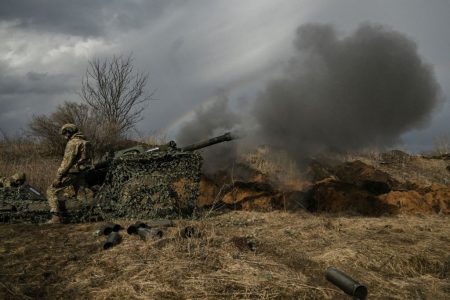




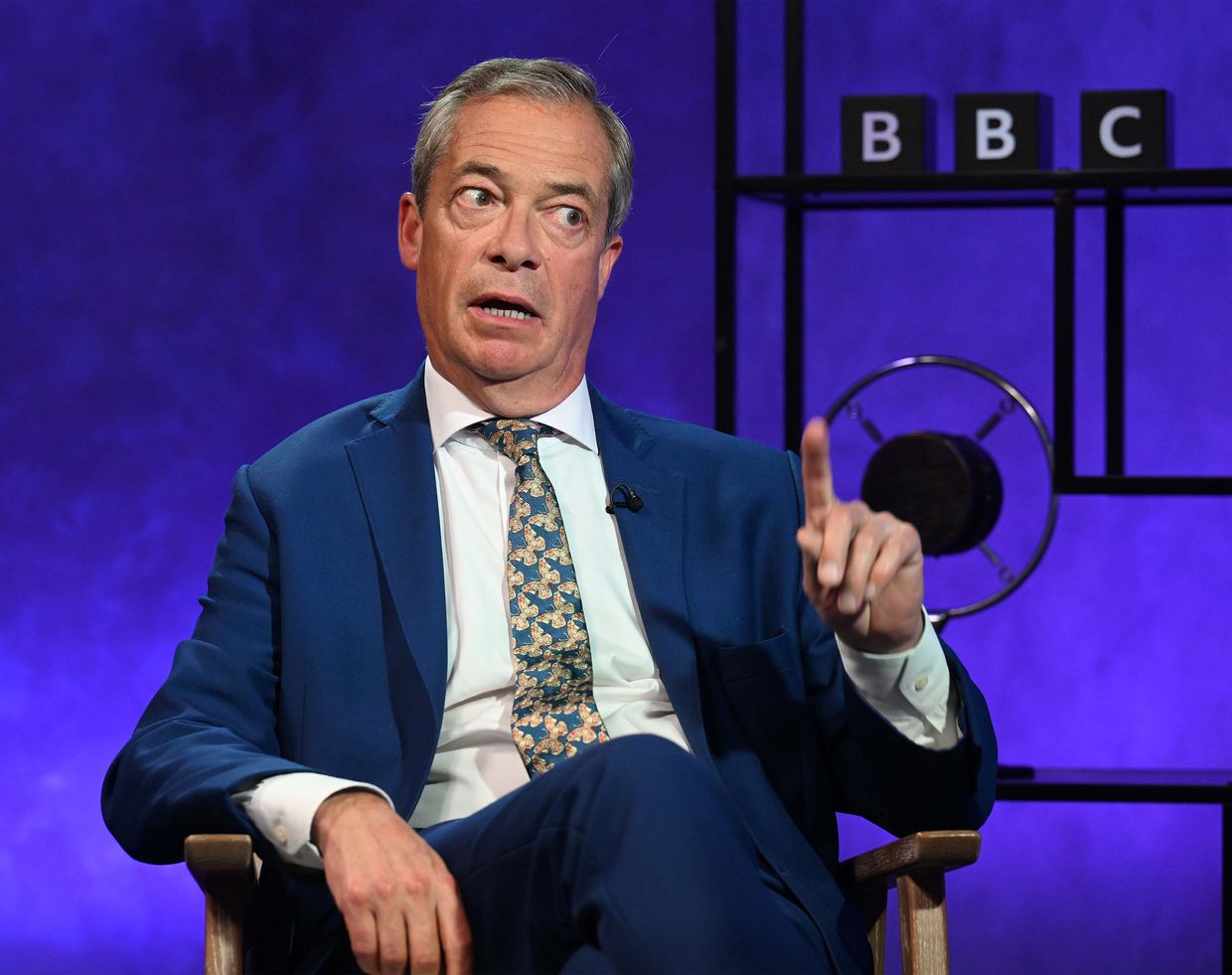
British politician Nigel Farage has reiterated his belief that Russia was provoked into launching a full-scale invasion of Ukraine due to the expansion of NATO and the EU. In an article for The Telegraph, Farage defended his controversial stance, denying any support for Russian President Putin and condemning the invasion as immoral and indefensible. He argued that the West played into Putin’s hands by expanding towards Russia, giving him an excuse to pursue his imperial ambitions. This perspective aligns with Kremlin disinformation lines, which justify the invasion as a defensive response to NATO threats. However, it overlooks the defensive nature of NATO and the historical context of Russia’s imperialist actions in Europe.
Russia’s invasion of Ukraine and Georgia in the 21st century, countries that are not members of the EU or NATO, has raised concerns among neighboring countries in Eastern Europe. Sweden and Finland have joined NATO in response to Russia’s aggressions, recognizing the need for collective defense against Kremlin expansionism. Putin has promoted a distorted view of Russia’s history, aiming to create a new national identity based on past imperial glory. In an essay on the historical unity of Russians and Ukrainians, he questions the legitimacy of Ukraine’s borders and hints at potential annexations. This narrative reinforces the idea that Russia has historical claims to Ukrainian territories, framing the invasion as a mission to reclaim lost lands and restore Russian greatness.
Putin’s admission in 2022 that the invasion was an imperial war to “return” Russian lands confirms suspicions of Russia’s expansionist intentions. The narrative of regaining lost territories and protecting Russian interests has been used to justify the invasion, while undermining Ukraine’s sovereignty and independence. The Atlantic Council’s analysis of Putin’s essay revealed his vision of Ukraine’s subordination to Russia, suggesting that true Ukrainian sovereignty depends on Moscow’s consent. This narrative reflects a dangerous form of revisionism that challenges the international order and disregards the rights of sovereign nations to self-determination.
The implications of Russia’s invasion of Ukraine extend beyond the immediate conflict, impacting neighboring countries and the broader international community. Slovakia, which has a history of Russian occupation in the 20th century, has emerged as a staunch supporter of Ukraine in the face of Russian aggression. The invasion has prompted a reevaluation of Slovakia’s relationship with Russia, leading to a shift towards greater support for Ukraine and stronger opposition to Russian actions. The conflict has exposed deep divisions within Europe, with some countries aligning with Russia and others standing in solidarity with Ukraine, highlighting the broader geopolitical challenges posed by Russia’s aggressive foreign policy.
In the context of the Ukraine war, former Slovakian defense minister Peter Gajdos expressed concerns about Slovakia’s pro-Russian turn, pointing out the risks of aligning with Russia against Ukraine. The war has underscored the importance of solidarity among European countries in defending shared values and principles against Russian aggression. Slovakia’s support for Ukraine reflects a broader trend of solidarity within Europe and the international community, as countries come together to condemn Russia’s actions and support Ukraine’s right to sovereignty and territorial integrity. The conflict has become a litmus test for the strength of international norms and the commitment of democratic nations to standing up to authoritarian aggression.
As the war in Ukraine continues to unfold, the international community must remain vigilant in countering Russian disinformation and propaganda, which seek to justify the invasion and undermine Ukraine’s legitimacy. Political figures like Farage, who propagate narratives that downplay Russia’s responsibility for the conflict, must be held accountable for their statements and actions. By supporting independent journalism and media outlets that provide accurate and in-depth coverage of the conflict, individuals can contribute to a better understanding of the situation in Ukraine and help counter the spread of disinformation. Solidarity with Ukraine and a commitment to upholding democratic values are essential in confronting the challenges posed by Russian aggression and defending the principles of international law and human rights.