




Close Menu
West TimelinesWest Timelines
  • News
  • Politics
  • World
    • Africa
    • Asia
    • Australia
    • Europe
      • United Kingdom
      • Germany
      • France
      • Italy
      • Russia
      • Spain
      • Turkey
      • Ukraine
    • North America
      • United States
      • Canada
    • South America
  • Business
    • Finance
    • Markets
    • Investing
    • Small Business
    • Crypto
  • Elections
  • Entertainment
  • Health
  • Lifestyle
    • Fashion
    • Food & Drink
    • Travel
    • Astrology
  • Weird News
  • Science
  • Sports
    • Soccer
  • Technology
  • Viral Trends
Trending Now

RING LAUNCHES NEW AI-POWERED SMART VIDEO SEARCH IN THE UAE

3 hours ago

Dubai Spotlight: Analyzing the Evolving Audience Tastes with AI Social Listening Tools in the UAE

1 month ago

مرآة التاريخ: تحليل البناء السردي للدروس الخالدة في قصص الأنبياء والإسلام

1 month ago

السندات الحكومية والشركات: أساسيات الاستثمار الآمن والدخل الثابت

2 months ago

UAE Ranks Among Top Rugby Markets on TOD as British & Irish Lions Tour Kicks Off

6 months ago
Facebook X (Twitter) Instagram
West TimelinesWest Timelines
  • News
  • US
  • #Elections
  • World
    • North America
      • United States
      • Canada
    • Europe
      • United Kingdom
      • Germany
      • France
      • Italy
      • Spain
      • Ukraine
      • Russia
      • Turkey
    • Asia
    • Australia
    • Africa
    • South America
  • Politics
  • Business
    • Finance
    • Investing
    • Markets
    • Small Business
    • Crypto
  • Lifestyle
    • Astrology
    • Fashion
    • Food & Drink
    • Travel
  • Health
  • Sports
    • Soccer
  • More
    • Entertainment
    • Technology
    • Science
    • Viral Trends
    • Weird News
Subscribe
  • Israel War
  • Ukraine War
  • United Kingdom
  • Canada
  • Germany
  • France
  • Italy
  • Russia
  • Spain
  • Turkey
  • Ukraine
West TimelinesWest Timelines
Home»News
News

Uncovering a Unique Florida Fossil Solves Evolutionary Puzzle

May 29, 2024No Comments3 Mins Read
Facebook Twitter Pinterest LinkedIn Telegram Email WhatsApp Copy Link

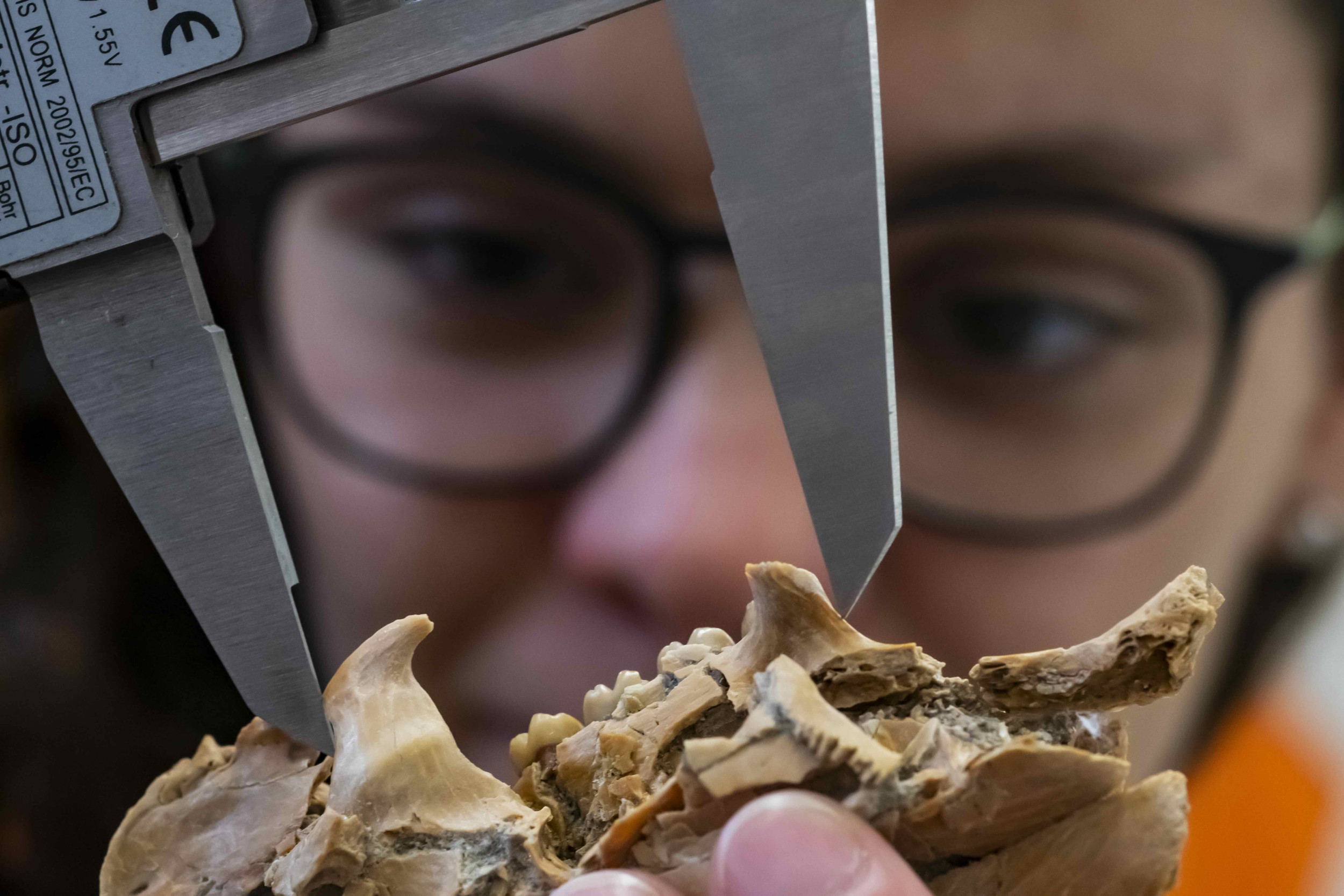
The discovery of an exceptionally rare porcupine fossil skeleton in Florida has helped to resolve a long-standing evolutionary mystery regarding the origin of North American porcupines. The research, published in the journal Current Biology, sheds new light on the evolutionary history of these animals. DNA evidence suggested that the North American porcupine genus Erethizon originated around 10 million years ago, while evidence from the fossil record hinted at a much later origin around 2.5 million years ago. The latest findings from the Florida fossil appear to reconcile these differing timelines, indicating that the Erethizon genus originated in South America before dispersing into North America.

The fossil, belonging to an extinct species known as Erethizon poyeri, is the oldest nearly complete porcupine skeleton documented in North America. Analysis of the fossil revealed that the Erethizon genus existed for much of its evolutionary history in South America before dispersing into North America as part of the Great American Interchange. This phenomenon occurred around 3-4 million years ago when the Isthmus of Panama rose above sea level, connecting North and South America by a land bridge. The Florida fossil sheds new light on the ecological adaptations of porcupines, indicating that only after Erethizon expanded into temperate North American habitats did it acquire the characteristic features known today.

Modern North American porcupines are adapted to temperate forests with larger bodies, shorter tails, and different jaw shapes compared to their tropical Coendou counterparts from Central and South America. Coendou porcupines have traits that enable them to adapt to life in the treetops, such as small body size, sickle-shaped claws for gripping branches, and prehensile tails for climbing and reaching. The Florida fossil revealed that Erethizon poyeri had traits similar to Coendou species, such as a long prehensile tail specialized for holding branches, and grasping feet, but also displayed similarities to North American porcupines in terms of bone and teeth shape. The study raises questions about the number of species that once existed in the Erethizon genus and why they went extinct.

While the research provides insights into the evolutionary history of North American porcupines, it also highlights unresolved questions regarding the relationship between extinct porcupine species and the modern North American porcupine, Erethizon dorsatum. The study suggests that porcupines may have entered temperate regions twice, once along the Gulf Coast and once out west. The discovery of the Florida fossil has opened new avenues for further research into the evolutionary story of porcupines and the factors that shaped their dispersal and adaptation across the Americas.


Follow on Google News Follow on Flipboard
Share. Facebook Twitter Pinterest Email Telegram WhatsApp Copy Link

You Might Like

Array

Array

Array

Array

Array

Array

Editors Picks

Dubai Spotlight: Analyzing the Evolving Audience Tastes with AI Social Listening Tools in the UAE

1 month ago

مرآة التاريخ: تحليل البناء السردي للدروس الخالدة في قصص الأنبياء والإسلام

1 month ago

السندات الحكومية والشركات: أساسيات الاستثمار الآمن والدخل الثابت

2 months ago

UAE Ranks Among Top Rugby Markets on TOD as British & Irish Lions Tour Kicks Off

6 months ago

Darven: A New Leap in AI-Powered Legal Technology Launching from the UAE to the World

6 months ago

Latest News

Jordan to Host Iraq in the Final Round of the Asian World Cup Qualifiers After Securing Historic Spot

7 months ago

فلسطين: قلبٌ ينبض بالصمود والأمل

7 months ago

Roland Garros 2025: A New Era of Viewing, A Tribute to Legends, and Moments to Remember

7 months ago
Advertisement
Facebook X (Twitter) TikTok Instagram Threads
© 2025 West Timelines. All Rights Reserved. Developed By: Sawah Solutions
  • Privacy Policy
  • Terms
  • Contact

Type above and press Enter to search. Press Esc to cancel.