




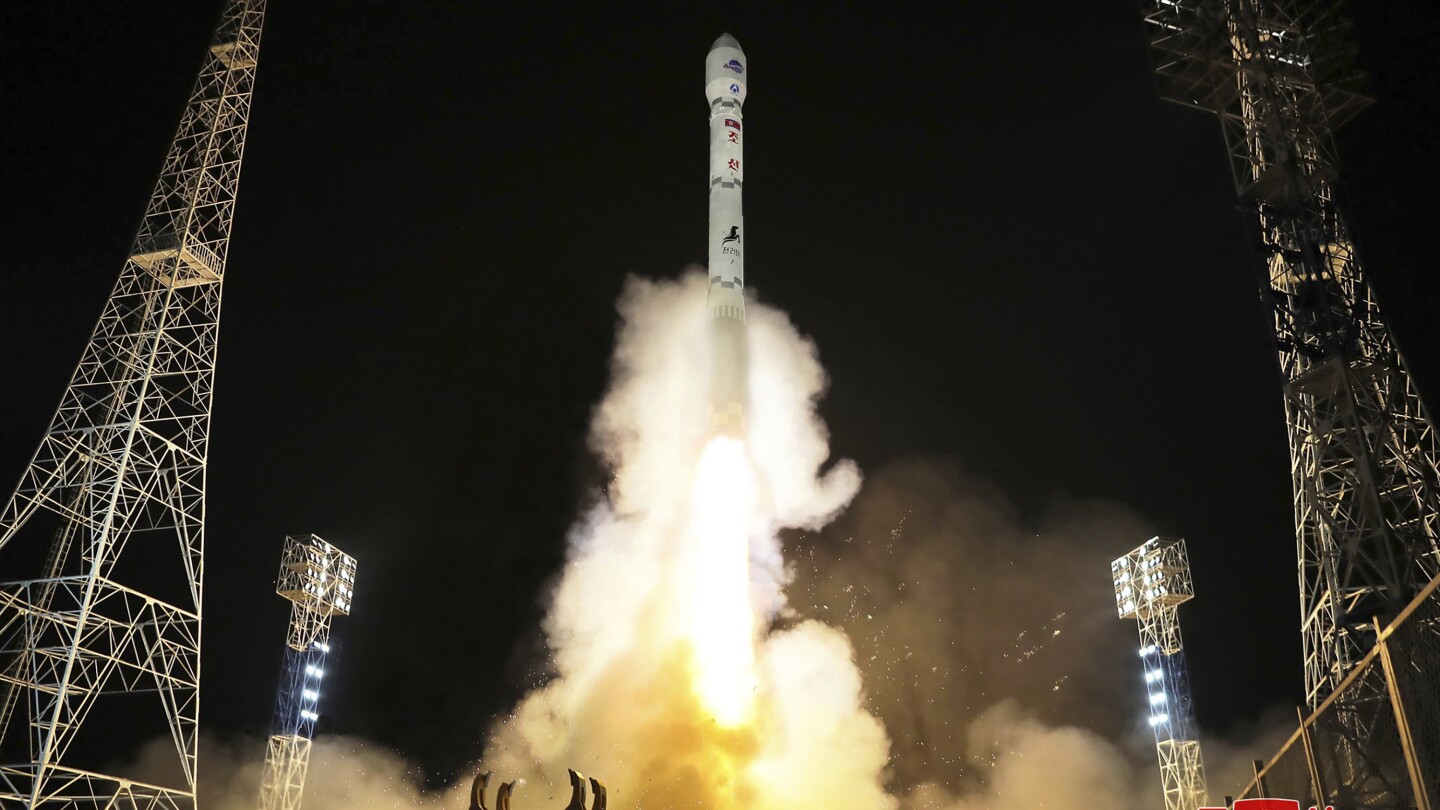
Amid escalating tensions with the United States, North Korea is reportedly preparing to launch its second military spy satellite into space. This follows the successful placement of its first military reconnaissance satellite into orbit last November. North Korean leader Kim Jong Un has announced plans to launch three additional military spy satellites by 2024 as part of building a space-based surveillance network to counter perceived U.S.-led military threats. South Korea’s military has detected signs of preparations for a satellite launch at North Korea’s Tongchangri launch facility and is closely monitoring the situation along with U.S. intelligence authorities.
After launching its Malligyong-1 spy satellite last November, North Korea claimed to have transmitted imagery of key sites in the U.S. and South Korea, including the White House and the Pentagon. However, the country has not released any photos, leading to doubts about the capabilities of its satellite. In recent months, North Korea has been conducting a series of missile tests to expand its weapons arsenal, which analysts believe is aimed at increasing its leverage in future negotiations with the United States. Last week, North Korea conducted a test of a tactical ballistic missile with a new autonomous navigation system, signaling its continued focus on advancing its military capabilities.
The developments in North Korea have sparked concerns among neighboring countries and the international community about the country’s increasing militarization and potential threats posed by its advancing missile and satellite technologies. South Korea has expressed alarm over North Korea’s missile tests, including the firing of suspected multiple short-range ballistic missiles off its east coast. The heightened tensions in the region underscore the need for continued vigilance and international cooperation to address the challenges posed by North Korea’s military activities.
The satellite launch preparations come at a time of heightened tensions between North Korea and the United States, with the two countries engaged in a protracted stand-off over North Korea’s nuclear and missile programs. Efforts to denuclearize North Korea have stalled in recent years, with the country continuing to advance its weapons capabilities despite international sanctions and diplomatic pressure. The deployment of military satellites is seen as a significant step in North Korea’s efforts to enhance its surveillance and reconnaissance capabilities, potentially enabling it to monitor and track military movements in the region more effectively.
South Korea’s military has been closely monitoring North Korea’s activities at the Tongchangri launch facility in an effort to assess the country’s intentions and capabilities. The presence of a military spy satellite in space could have significant implications for regional security and stability, potentially altering the balance of power in the region. As tensions remain high and uncertainty looms over North Korea’s next steps, the international community is closely watching developments on the Korean peninsula and assessing the potential risks and challenges posed by North Korea’s military activities. The need for diplomatic engagement and de-escalation measures is underscored as efforts to address the complex security environment in Northeast Asia continue.