



Close Menu
West TimelinesWest Timelines
  • News
  • Politics
  • World
    • Africa
    • Asia
    • Australia
    • Europe
      • United Kingdom
      • Germany
      • France
      • Italy
      • Russia
      • Spain
      • Turkey
      • Ukraine
    • North America
      • United States
      • Canada
    • South America
  • Business
    • Finance
    • Markets
    • Investing
    • Small Business
    • Crypto
  • Elections
  • Entertainment
  • Health
  • Lifestyle
    • Fashion
    • Food & Drink
    • Travel
    • Astrology
  • Weird News
  • Science
  • Sports
    • Soccer
  • Technology
  • Viral Trends
Trending Now

Dubai Spotlight: Analyzing the Evolving Audience Tastes with AI Social Listening Tools in the UAE

4 weeks ago

مرآة التاريخ: تحليل البناء السردي للدروس الخالدة في قصص الأنبياء والإسلام

4 weeks ago

السندات الحكومية والشركات: أساسيات الاستثمار الآمن والدخل الثابت

1 month ago

UAE Ranks Among Top Rugby Markets on TOD as British & Irish Lions Tour Kicks Off

5 months ago

Darven: A New Leap in AI-Powered Legal Technology Launching from the UAE to the World

6 months ago
Facebook X (Twitter) Instagram
West TimelinesWest Timelines
  • News
  • US
  • #Elections
  • World
    • North America
      • United States
      • Canada
    • Europe
      • United Kingdom
      • Germany
      • France
      • Italy
      • Spain
      • Ukraine
      • Russia
      • Turkey
    • Asia
    • Australia
    • Africa
    • South America
  • Politics
  • Business
    • Finance
    • Investing
    • Markets
    • Small Business
    • Crypto
  • Lifestyle
    • Astrology
    • Fashion
    • Food & Drink
    • Travel
  • Health
  • Sports
    • Soccer
  • More
    • Entertainment
    • Technology
    • Science
    • Viral Trends
    • Weird News
Subscribe
  • Israel War
  • Ukraine War
  • United Kingdom
  • Canada
  • Germany
  • France
  • Italy
  • Russia
  • Spain
  • Turkey
  • Ukraine
West TimelinesWest Timelines
Home»Technology
Technology

Scientists suggest that a nearby planet may be Earth 2.0 or an ‘Evil Twin’

May 23, 2024No Comments3 Mins Read
Facebook Twitter Pinterest LinkedIn Telegram Email WhatsApp Copy Link

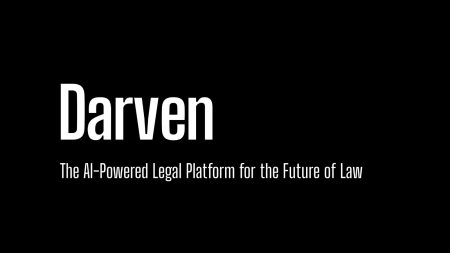
A new exoplanet, Gliese 12 b, has been discovered just 40 light-years from the solar system that shows similarities to both Earth and Venus. This planet has an estimated surface temperature of 107°F (42°C), making it potentially habitable. While it is smaller than Earth and closer to its star, it shows no signs of extreme behavior like Venus.

The new work published today in the Monthly Notices of the Royal Astronomical Society by teams in Tokyo and London using data from NASA’s Transiting Exoplanet Survey Satellite telescope identifies Gliese 12 b as a promising candidate for further study. The James Webb Space Telescope will be crucial in determining whether this exoplanet has an atmosphere, which will be critical in determining its potential habitability.

Gliese 12 b orbits a red dwarf star, Gliese 12, which is smaller and cooler than the sun. This proximity allows the exoplanet to receive more sunlight than Earth but less than Venus. While red dwarf stars like Gliese 12 tend to saturate planets around them with X-ray flares that can strip away an atmosphere, Gliese 12 b does not exhibit such extreme behavior, giving hope for its potential habitability.

The team of researchers considers Gliese 12 b to be an “evil twin,” similar to Venus, but they cannot rule out the possibility that it could be an “Earth twin” with liquid water on its surface. The planet’s equilibrium temperature suggests Earth-like conditions, but the presence of an atmosphere could significantly affect its actual surface temperature, highlighting the importance of understanding the kind of atmosphere it may have.

The search for exoplanets, such as Gliese 12 b, is driven by the quest for liquid water, considered essential for the possibility of life. Studying the atmosphere of exoplanets can provide insights into their habitability pathways and whether they are more Earth-like or Venus-like. While Gliese 12 b is not the closest exoplanet to Earth that may support life, it presents a unique opportunity for study due to its proximity to the solar system and its potential habitability.

Researchers hope that the James Webb Space Telescope will be able to gather valuable data on Gliese 12 b to determine its atmospheric composition and further understand the habitability of this Earth-size exoplanet. The exploration of exoplanets like Gliese 12 b could provide valuable insights into the potential for life beyond our solar system and shed light on the different pathways planets take as they develop.

Follow on Google News Follow on Flipboard
Share. Facebook Twitter Pinterest Email Telegram WhatsApp Copy Link

You Might Like

Dubai Spotlight: Analyzing the Evolving Audience Tastes with AI Social Listening Tools in the UAE

Darven: A New Leap in AI-Powered Legal Technology Launching from the UAE to the World

Array

Array

Array

Array

Editors Picks

مرآة التاريخ: تحليل البناء السردي للدروس الخالدة في قصص الأنبياء والإسلام

4 weeks ago

السندات الحكومية والشركات: أساسيات الاستثمار الآمن والدخل الثابت

1 month ago

UAE Ranks Among Top Rugby Markets on TOD as British & Irish Lions Tour Kicks Off

5 months ago

Darven: A New Leap in AI-Powered Legal Technology Launching from the UAE to the World

6 months ago

Jordan to Host Iraq in the Final Round of the Asian World Cup Qualifiers After Securing Historic Spot

6 months ago

Latest News

فلسطين: قلبٌ ينبض بالصمود والأمل

7 months ago

Roland Garros 2025: A New Era of Viewing, A Tribute to Legends, and Moments to Remember

7 months ago

Array

7 months ago
Advertisement
Facebook X (Twitter) TikTok Instagram Threads
© 2025 West Timelines. All Rights Reserved. Developed By: Sawah Solutions
  • Privacy Policy
  • Terms
  • Contact

Type above and press Enter to search. Press Esc to cancel.