




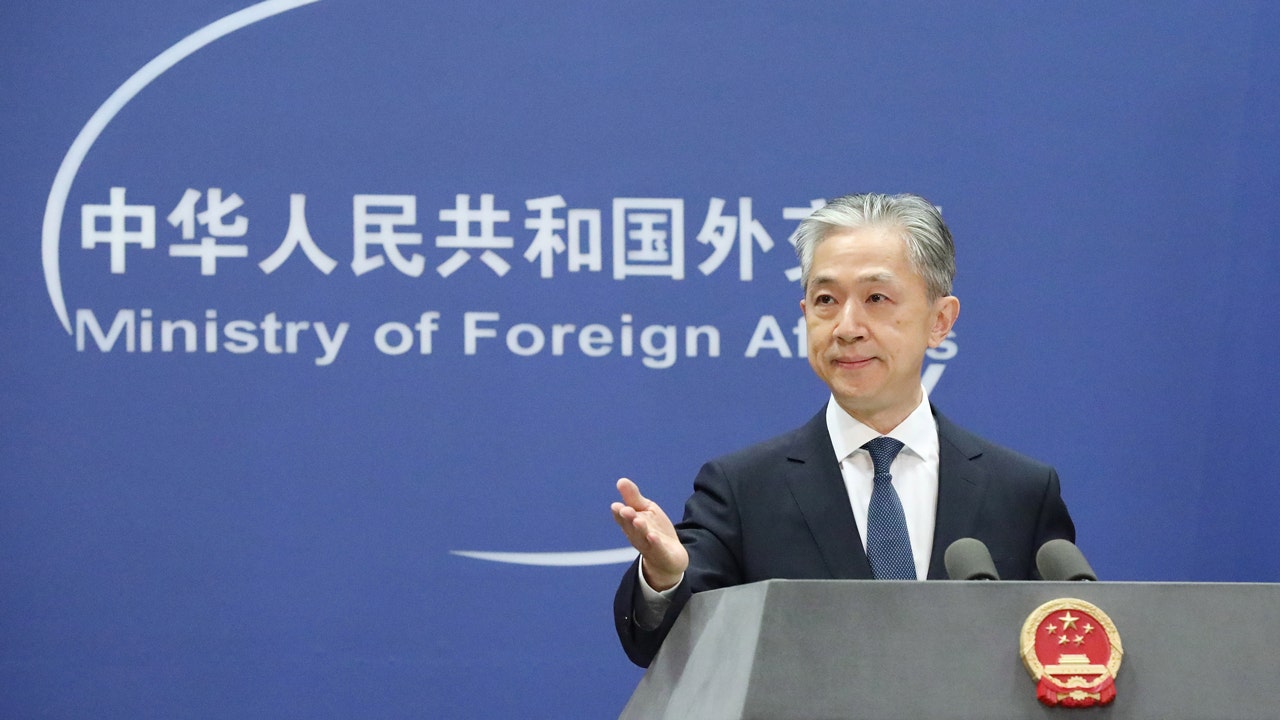
China’s Foreign Ministry warned against Taiwan independence on the day of the self-ruled island’s presidential inauguration, stating that pushing for independence was doomed to fail. President Lai Ching-te stressed that China and Taiwan are not subordinate to each other and called on Beijing to cease military threats. Lai also pledged to maintain stability with China while strengthening security through military imports from the U.S. The ministry further criticized the U.S. for distorting UN General Assembly Resolution 2857, endorsing Beijing’s UN seat, describing such actions as challenging China’s sovereignty and international justice.
A group of U.S. senators defended Taiwan’s right to participate in UN agencies, emphasizing that the UN resolution did not determine Taiwan’s status or prohibit its involvement. China sees reunification as the “trend of the times,” with Wang warning that those who oppose it will perish while those who follow will prosper. China has increased military pressure and diplomatic isolation against Taiwan, including sending jets and navy vessels to its vicinity regularly. Meanwhile, the Philippines accused Chinese fishermen of depleting giant clams and damaging coral reefs in the South China Sea, leading to rising tensions between the two nations.
The Philippine Coast Guard provided surveillance evidence of Chinese fishermen collecting large quantities of giant clams in a disputed area, further escalating maritime disputes between the two countries. Manila also accused the Chinese Coast Guard of using water cannons against Philippine ships during a supply mission near a contested shoal. These incidents reflect the broader tensions in the South China Sea, where multiple nations are vying for control over strategically important territories. China’s actions in the region have drawn international criticism, with concerns about its aggressive tactics and impact on marine ecosystems.
China’s stance on Taiwan independence and maritime disputes underscores its assertive foreign policy approach and territorial claims, which have sparked regional tensions. The U.S. and other countries have expressed support for Taiwan and called for its inclusion in international organizations despite Beijing’s objections. The ongoing conflicts in the South China Sea highlight the challenges of managing competing territorial claims and preventing escalation in a volatile region. Efforts to establish dialogue and diplomacy between China, Taiwan, and other claimant states are crucial to reducing tensions and resolving disputes peacefully.
As China continues to assert its influence in the Asia-Pacific region, countries like Taiwan and the Philippines face mounting pressure and security concerns. The broader implications of China’s actions on regional stability and international relations are significant, requiring a coordinated and diplomatic approach to manage conflicts and promote peace. The current state of affairs underscores the complex geopolitical dynamics in the South China Sea and the challenges of upholding maritime security and respecting territorial sovereignty. International cooperation and adherence to legal frameworks are essential in addressing these contentious issues and ensuring a peaceful and stable environment in the region.