




Close Menu
West TimelinesWest Timelines
  • News
  • Politics
  • World
    • Africa
    • Asia
    • Australia
    • Europe
      • United Kingdom
      • Germany
      • France
      • Italy
      • Russia
      • Spain
      • Turkey
      • Ukraine
    • North America
      • United States
      • Canada
    • South America
  • Business
    • Finance
    • Markets
    • Investing
    • Small Business
    • Crypto
  • Elections
  • Entertainment
  • Health
  • Lifestyle
    • Fashion
    • Food & Drink
    • Travel
    • Astrology
  • Weird News
  • Science
  • Sports
    • Soccer
  • Technology
  • Viral Trends
Trending Now

RING LAUNCHES NEW AI-POWERED SMART VIDEO SEARCH IN THE UAE

4 weeks ago

Dubai Spotlight: Analyzing the Evolving Audience Tastes with AI Social Listening Tools in the UAE

2 months ago

مرآة التاريخ: تحليل البناء السردي للدروس الخالدة في قصص الأنبياء والإسلام

2 months ago

السندات الحكومية والشركات: أساسيات الاستثمار الآمن والدخل الثابت

2 months ago

UAE Ranks Among Top Rugby Markets on TOD as British & Irish Lions Tour Kicks Off

7 months ago
Facebook X (Twitter) Instagram
West TimelinesWest Timelines
  • News
  • US
  • #Elections
  • World
    • North America
      • United States
      • Canada
    • Europe
      • United Kingdom
      • Germany
      • France
      • Italy
      • Spain
      • Ukraine
      • Russia
      • Turkey
    • Asia
    • Australia
    • Africa
    • South America
  • Politics
  • Business
    • Finance
    • Investing
    • Markets
    • Small Business
    • Crypto
  • Lifestyle
    • Astrology
    • Fashion
    • Food & Drink
    • Travel
  • Health
  • Sports
    • Soccer
  • More
    • Entertainment
    • Technology
    • Science
    • Viral Trends
    • Weird News
Subscribe
  • Israel War
  • Ukraine War
  • United Kingdom
  • Canada
  • Germany
  • France
  • Italy
  • Russia
  • Spain
  • Turkey
  • Ukraine
West TimelinesWest Timelines
Home»Technology
Technology

Preventing Earth from Being Caught off Guard by Devastating Solar Storms

May 18, 2024No Comments2 Mins Read
Facebook Twitter Pinterest LinkedIn Telegram Email WhatsApp Copy Link

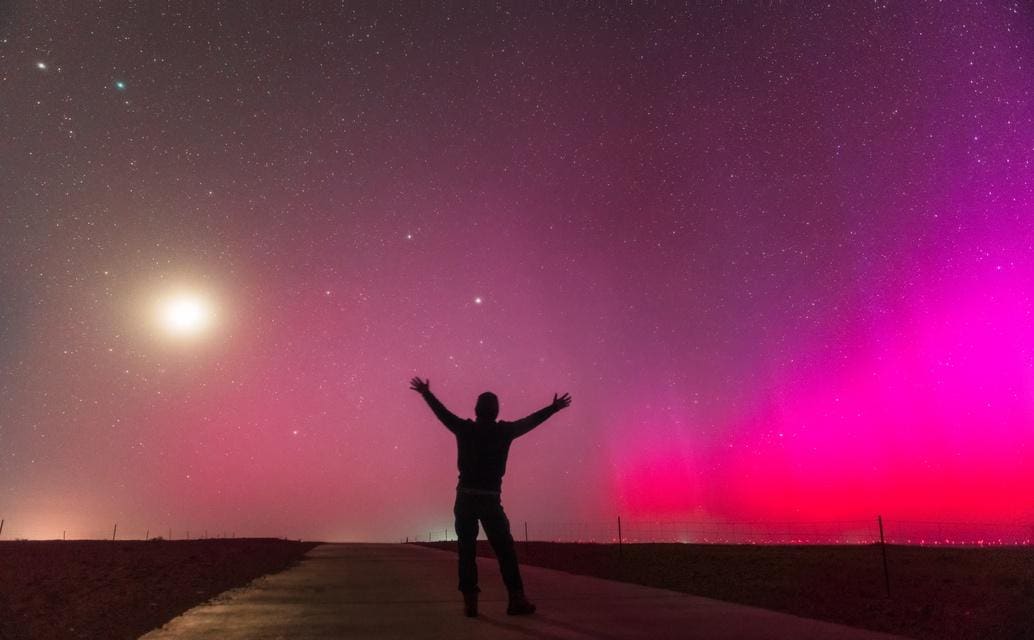
The recent solar storms that produced beautiful auroras over the weekend have raised concerns about the potential impact on our space-based satellite systems. While the Earth managed to dodge a devastating geomagnetic storm this time, the sun is nearing solar maximum, and anything can still happen during this period of heightened solar activity.

NASA reports that auroras were visible at lower latitudes than usual, potentially competing with some of the lowest-latitude sightings on record over the past five centuries. These geomagnetic activities have a history of disrupting electronics and communications globally, with the infamous 1859 Carrington Event being the most intense geomagnetic storm in history.

This recent storm surprised scientists with the number of solar coronal mass ejections (CMEs) that were released towards Earth from the same active region on the Sun. In total, there were as many as five earthward “halo” CMEs observed, each moving at speeds of up to 3 million mph and creating a long-lasting geomagnetic storm that reached a G5 rating, the highest level on the geomagnetic storm scale.

Auroras are caused by energetic solar particles colliding with oxygen and nitrogen in the Earth’s atmosphere, creating stunning displays of green, red, blue, and purple colors. Geomagnetic storms can distort the atmosphere, affecting signals sent to satellites, including GPS services. These storms can also lead to increased atmospheric expansion and drag, potentially causing satellites to overheat and burn up unexpectedly.

To prepare for future geomagnetic storms, experts recommend enhancing observational and modeling capabilities, implementing storm mitigation strategies in vulnerable industry sectors, and launching new space missions to monitor the space between the Sun and Earth. NASA’s upcoming missions, including the Interstellar Mapping and Acceleration Probe and the Geospace Dynamics Constellation, aim to provide valuable data on solar activity and its potential impact on Earth and satellites.

While there is hope that advancements in satellite technology and autonomous operations could make them more resilient to geomagnetic storms in the future, it is essential to continue monitoring and studying the sun’s activity to better understand and predict potential disruptions. The recent solar region responsible for the stormy weather is now turning away from Earth, providing a temporary respite from potential impacts.

Follow on Google News Follow on Flipboard
Share. Facebook Twitter Pinterest Email Telegram WhatsApp Copy Link

You Might Like

Dubai Spotlight: Analyzing the Evolving Audience Tastes with AI Social Listening Tools in the UAE

Darven: A New Leap in AI-Powered Legal Technology Launching from the UAE to the World

Array

Array

Array

Array

Editors Picks

Dubai Spotlight: Analyzing the Evolving Audience Tastes with AI Social Listening Tools in the UAE

2 months ago

مرآة التاريخ: تحليل البناء السردي للدروس الخالدة في قصص الأنبياء والإسلام

2 months ago

السندات الحكومية والشركات: أساسيات الاستثمار الآمن والدخل الثابت

2 months ago

UAE Ranks Among Top Rugby Markets on TOD as British & Irish Lions Tour Kicks Off

7 months ago

Darven: A New Leap in AI-Powered Legal Technology Launching from the UAE to the World

7 months ago

Latest News

Jordan to Host Iraq in the Final Round of the Asian World Cup Qualifiers After Securing Historic Spot

7 months ago

فلسطين: قلبٌ ينبض بالصمود والأمل

8 months ago

Roland Garros 2025: A New Era of Viewing, A Tribute to Legends, and Moments to Remember

8 months ago
Advertisement
Facebook X (Twitter) TikTok Instagram Threads
© 2026 West Timelines. All Rights Reserved. Developed By: Sawah Solutions
  • Privacy Policy
  • Terms
  • Contact

Type above and press Enter to search. Press Esc to cancel.