




Close Menu
West TimelinesWest Timelines
  • News
  • Politics
  • World
    • Africa
    • Asia
    • Australia
    • Europe
      • United Kingdom
      • Germany
      • France
      • Italy
      • Russia
      • Spain
      • Turkey
      • Ukraine
    • North America
      • United States
      • Canada
    • South America
  • Business
    • Finance
    • Markets
    • Investing
    • Small Business
    • Crypto
  • Elections
  • Entertainment
  • Health
  • Lifestyle
    • Fashion
    • Food & Drink
    • Travel
    • Astrology
  • Weird News
  • Science
  • Sports
    • Soccer
  • Technology
  • Viral Trends
Trending Now

RING LAUNCHES NEW AI-POWERED SMART VIDEO SEARCH IN THE UAE

7 hours ago

Dubai Spotlight: Analyzing the Evolving Audience Tastes with AI Social Listening Tools in the UAE

1 month ago

مرآة التاريخ: تحليل البناء السردي للدروس الخالدة في قصص الأنبياء والإسلام

1 month ago

السندات الحكومية والشركات: أساسيات الاستثمار الآمن والدخل الثابت

2 months ago

UAE Ranks Among Top Rugby Markets on TOD as British & Irish Lions Tour Kicks Off

6 months ago
Facebook X (Twitter) Instagram
West TimelinesWest Timelines
  • News
  • US
  • #Elections
  • World
    • North America
      • United States
      • Canada
    • Europe
      • United Kingdom
      • Germany
      • France
      • Italy
      • Spain
      • Ukraine
      • Russia
      • Turkey
    • Asia
    • Australia
    • Africa
    • South America
  • Politics
  • Business
    • Finance
    • Investing
    • Markets
    • Small Business
    • Crypto
  • Lifestyle
    • Astrology
    • Fashion
    • Food & Drink
    • Travel
  • Health
  • Sports
    • Soccer
  • More
    • Entertainment
    • Technology
    • Science
    • Viral Trends
    • Weird News
Subscribe
  • Israel War
  • Ukraine War
  • United Kingdom
  • Canada
  • Germany
  • France
  • Italy
  • Russia
  • Spain
  • Turkey
  • Ukraine
West TimelinesWest Timelines
Home»News
News

Archaeologists Uncover Iron Age Building Destroyed by ‘Intense’ Fire

May 17, 2024No Comments3 Mins Read
Facebook Twitter Pinterest LinkedIn Telegram Email WhatsApp Copy Link

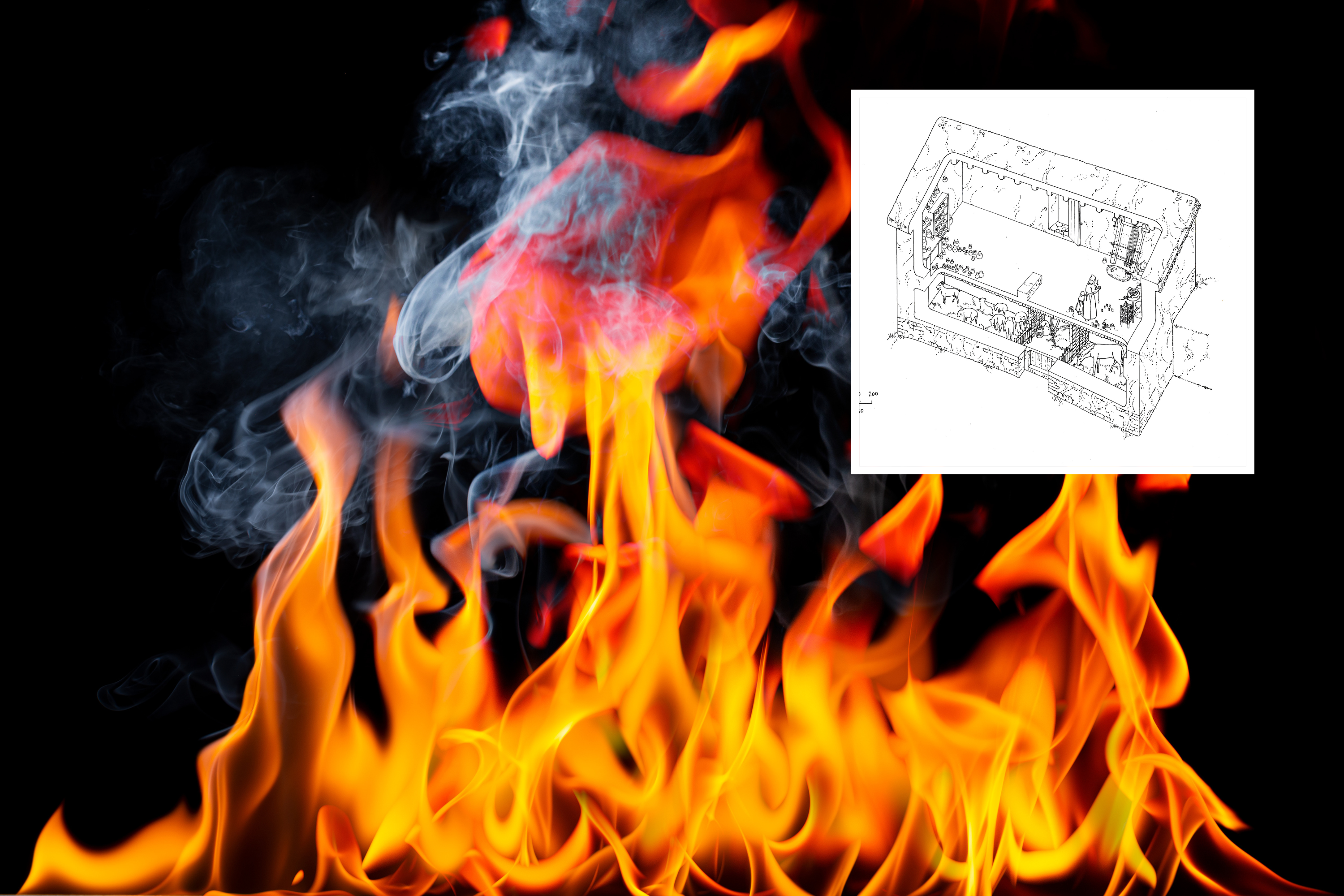
Archaeologists have discovered a prehistoric building that was destroyed by a violent fire 2,200 years ago at the Tossal de Baltarga site in Spain. This Iron Age hillfort complex in the Pyrenees mountains was devastated by the blaze, which led to the preservation of a wealth of archaeological remains, including organic materials like seeds, charcoal, and animal remains. Building G, a two-story structure, provides insights into the lives of the hillfort’s inhabitants during the Iron Age, shedding light on their economic activities and daily routines.

Researchers studying Building G found that the upper floor was used for cooking and textile production, while the lower floor contained a stable with remains of sheep, goats, and a horse. Spindle whorls, loom weights, and grains like oats and barley were also discovered, indicating wool production and consumption habits of the residents. Additionally, the presence of a gold earring hidden in a pot may suggest the anticipation of a threat, possibly related to conflict. The animals trapped inside the building at the time of the fire did not survive, indicating a sudden destruction without the opportunity to save them.

The study suggests that the destruction of the site may have been connected to the Second Punic War, a conflict between the Roman Republic and Carthage, led by Hannibal. The violent nature of the destruction of Building G and the surrounding structures points to intentional destruction, possibly as a result of conflict related to the war. The analysis of sheep remains indicated a complex livestock strategy involving arrangements with neighboring communities, highlighting the interconnected nature of Iron Age societies in the region.

The economic activities at the Tossal de Baltarga site suggest that the settlement housed prominent families who controlled important resources like livestock and horses. The evidence indicates a community adapted to their environment and engaged in exchanges with neighboring areas, both in terms of products and cultural backgrounds. The researchers believe that the mountain communities in the region were not isolated but actively connected with other groups, contributing to a complex economy and societal structure at Baltarga.

Through the study of Building G and the archaeological remains at the Tossal de Baltarga site, researchers have gained valuable insights into the lives of Iron Age inhabitants in the Pyrenees mountains. The preserved materials have provided a glimpse into the economic activities, daily routines, and potential threats faced by the community, offering a fascinating window into a specific moment in time thousands of years ago. The findings contribute to a better understanding of ancient societies in the region and their interactions with neighboring communities during the Iron Age period.


Follow on Google News Follow on Flipboard
Share. Facebook Twitter Pinterest Email Telegram WhatsApp Copy Link

You Might Like

Array

Array

Array

Array

Array

Array

Editors Picks

Dubai Spotlight: Analyzing the Evolving Audience Tastes with AI Social Listening Tools in the UAE

1 month ago

مرآة التاريخ: تحليل البناء السردي للدروس الخالدة في قصص الأنبياء والإسلام

1 month ago

السندات الحكومية والشركات: أساسيات الاستثمار الآمن والدخل الثابت

2 months ago

UAE Ranks Among Top Rugby Markets on TOD as British & Irish Lions Tour Kicks Off

6 months ago

Darven: A New Leap in AI-Powered Legal Technology Launching from the UAE to the World

6 months ago

Latest News

Jordan to Host Iraq in the Final Round of the Asian World Cup Qualifiers After Securing Historic Spot

7 months ago

فلسطين: قلبٌ ينبض بالصمود والأمل

7 months ago

Roland Garros 2025: A New Era of Viewing, A Tribute to Legends, and Moments to Remember

7 months ago
Advertisement
Facebook X (Twitter) TikTok Instagram Threads
© 2025 West Timelines. All Rights Reserved. Developed By: Sawah Solutions
  • Privacy Policy
  • Terms
  • Contact

Type above and press Enter to search. Press Esc to cancel.