




The World Health Organization has authorized a second dengue vaccine, Qdenga, to protect children aged six to 16 living in high-dengue regions. This two-dose vaccine, made by Japanese pharmaceutical Takeda, protects against the four types of dengue. WHO’s approval allows donors and U.N. agencies to purchase the vaccine for poorer countries. Studies have shown the vaccine to be 84% effective in preventing hospitalization with dengue and 61% effective in stopping symptoms.
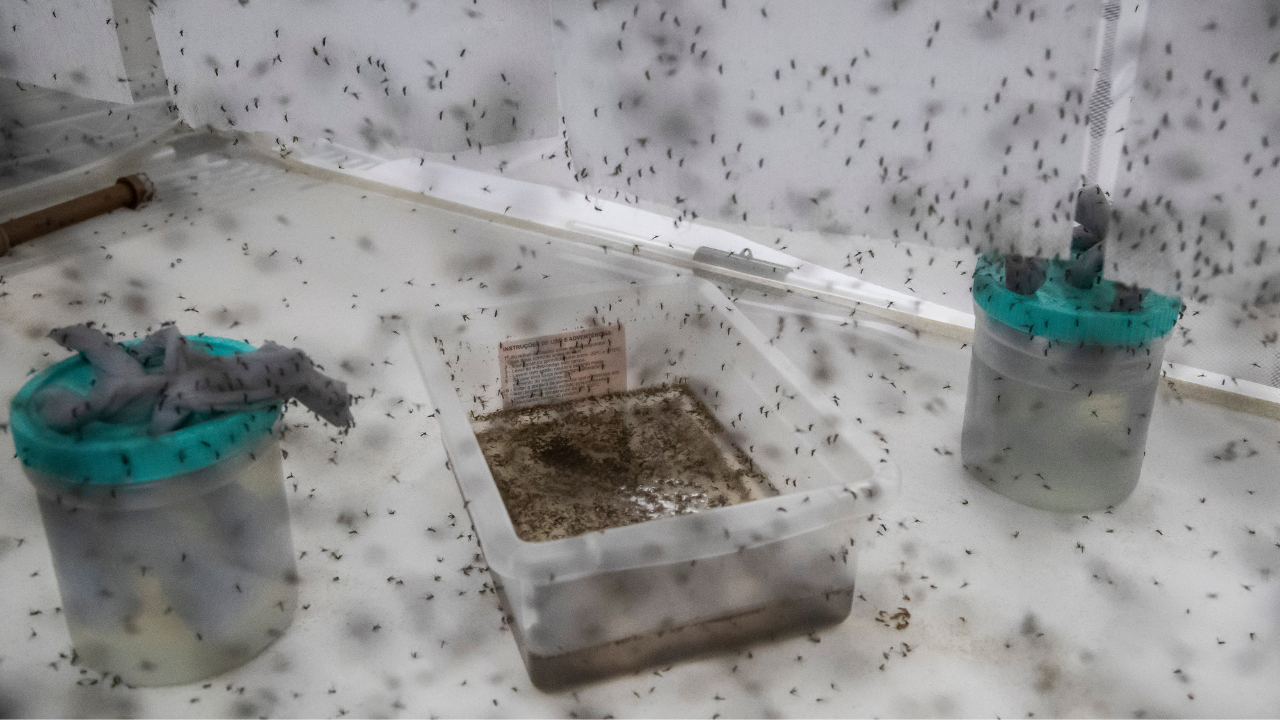
Dengue is a mosquito-borne disease that can lead to serious illness and death in 120 Latin American and Asian countries. While most infections are mild, severe cases can result in internal bleeding, organ failure, and death. Last year, there were 6.7 million suspected cases of dengue in the Americas, a 206% increase compared to the previous year. Authorities in Rio de Janeiro declared a public health emergency due to their dengue epidemic, prompting the country to roll out the Takeda vaccine to inoculate at least 3 million people.
The approval of the Qdenga vaccine by WHO provides an important step in expanding global access to dengue vaccines, with it being the second immunization authorized by the U.N. agency for dengue. The first vaccine approved was made by Sanofi Pasteur, but it was found to increase the risk of severe dengue in those who had not previously been infected with the disease. With no specific treatment for dengue, vaccines are crucial in preventing the spread of the disease, especially in regions where outbreaks are common.
Cases of dengue have increased tenfold over the last generation, with climate change and the expanding range of mosquitoes carrying the disease contributing to its spread. The Takeda vaccine, with its high effectiveness in preventing hospitalization and symptoms of dengue, provides a promising solution to protecting millions worldwide from this deadly disease. By authorizing this vaccine, WHO opens the door for global access to essential immunization that could save countless lives in regions at high risk of dengue outbreaks. The rollout of the Qdenga vaccine in countries like Brazil illustrates the growing urgency to address the threat of dengue and the need for effective preventive measures to combat the disease.