





Close Menu
West TimelinesWest Timelines
  • News
  • Politics
  • World
    • Africa
    • Asia
    • Australia
    • Europe
      • United Kingdom
      • Germany
      • France
      • Italy
      • Russia
      • Spain
      • Turkey
      • Ukraine
    • North America
      • United States
      • Canada
    • South America
  • Business
    • Finance
    • Markets
    • Investing
    • Small Business
    • Crypto
  • Elections
  • Entertainment
  • Health
  • Lifestyle
    • Fashion
    • Food & Drink
    • Travel
    • Astrology
  • Weird News
  • Science
  • Sports
    • Soccer
  • Technology
  • Viral Trends
Trending Now

RING LAUNCHES NEW AI-POWERED SMART VIDEO SEARCH IN THE UAE

1 week ago

Dubai Spotlight: Analyzing the Evolving Audience Tastes with AI Social Listening Tools in the UAE

1 month ago

مرآة التاريخ: تحليل البناء السردي للدروس الخالدة في قصص الأنبياء والإسلام

2 months ago

السندات الحكومية والشركات: أساسيات الاستثمار الآمن والدخل الثابت

2 months ago

UAE Ranks Among Top Rugby Markets on TOD as British & Irish Lions Tour Kicks Off

6 months ago
Facebook X (Twitter) Instagram
West TimelinesWest Timelines
  • News
  • US
  • #Elections
  • World
    • North America
      • United States
      • Canada
    • Europe
      • United Kingdom
      • Germany
      • France
      • Italy
      • Spain
      • Ukraine
      • Russia
      • Turkey
    • Asia
    • Australia
    • Africa
    • South America
  • Politics
  • Business
    • Finance
    • Investing
    • Markets
    • Small Business
    • Crypto
  • Lifestyle
    • Astrology
    • Fashion
    • Food & Drink
    • Travel
  • Health
  • Sports
    • Soccer
  • More
    • Entertainment
    • Technology
    • Science
    • Viral Trends
    • Weird News
Subscribe
  • Israel War
  • Ukraine War
  • United Kingdom
  • Canada
  • Germany
  • France
  • Italy
  • Russia
  • Spain
  • Turkey
  • Ukraine
West TimelinesWest Timelines
Home»Lifestyle
Lifestyle

May 14, 1973: The First US Space Station, Skylab, is Launched

May 14, 2024No Comments3 Mins Read
Facebook Twitter Pinterest LinkedIn Telegram Email WhatsApp Copy Link

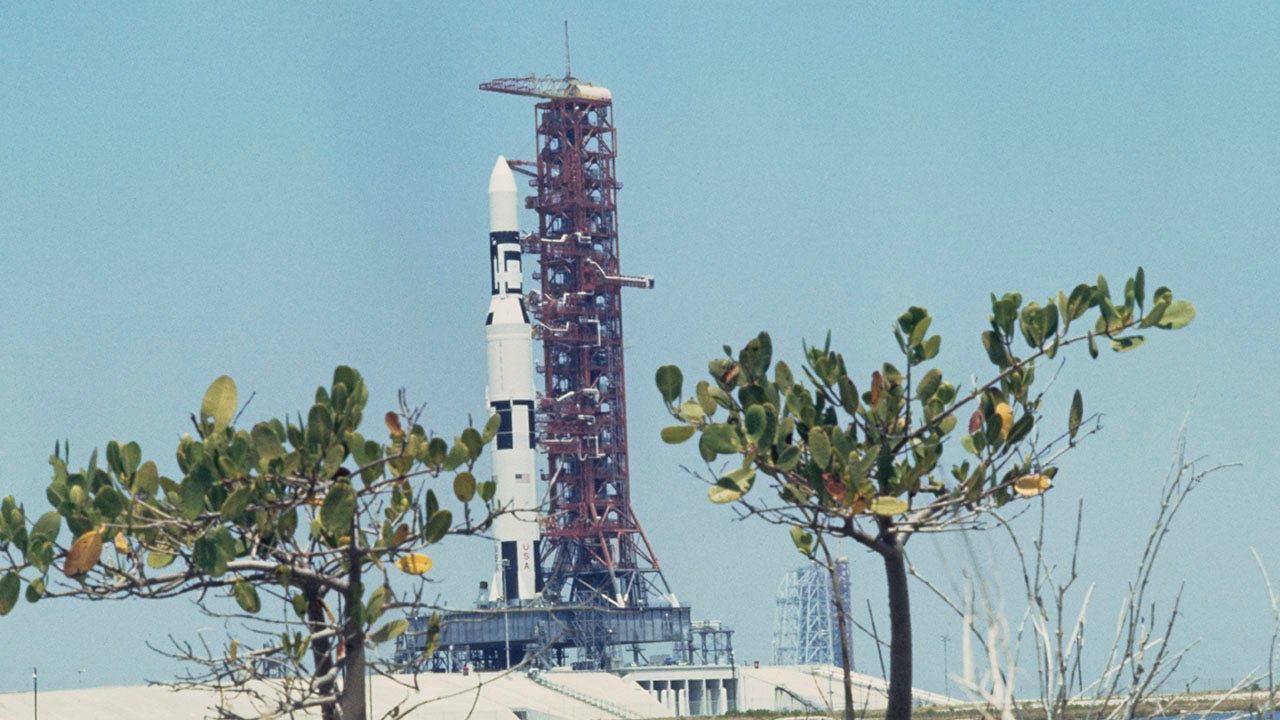
On May 14, 1973, America’s first space station, Skylab, launched into Earth’s orbit on a modified Saturn V rocket at Florida’s Kennedy Space Center. This marked the last time the Saturn V rocket was used in spaceflight. The launch of the space station was not without complications, as technical problems developed due to vibrations during liftoff, resulting in a critical meteoroid shield ripping off and one of the craft’s solar panels not deploying. NASA engineers had to take measures to lower the temperature of the workshop within Skylab.

Skylab 2, the mission that sent Skylab its first crew, was delayed for 10 days in order to teach the astronauts how to mitigate the damage the space station received on liftoff. The first crew of Skylab, consisting of Commander Charles “Pete” Conrad, pilot Paul J. Weitz, and science pilot Joseph P. Kerwin, arrived on May 25, 1973, and stayed aboard for the entire 28-day mission. The crew made history by engaging in a repair spacewalk to release stuck solar panels, setting a record for the longest spacewalk duration of three hours and 25 minutes.

Skylab astronauts returned to Earth on June 7, 1973, setting a new record for the longest human space flight. They were the first astronauts to return alive from a mission to a space station, unlike the crew of the Soviet space station Salyut 1 who died upon re-entry. Skylab remained in space until July 11, 1979, when it disintegrated in Earth’s atmosphere, with parts found in Australia and the Indian Ocean. The crew of Skylab 4 departed back to Earth in February 1974, leaving the space station unoccupied.

Today, the International Space Station (ISS) orbits Earth at an average altitude of 248 miles and circles the globe every 90 minutes. The ISS is a partnership of five space agencies from 15 countries that contributed different parts to it, including the United States, Russia, Japan, Canada, and the countries comprising the European Space Agency. At night, the ISS is visible from Earth as a luminous moving point of light, rivaling the brightness of the planet Venus, and can be seen without the use of a telescope by night sky observers.

The ISS has become a symbol of international cooperation in space exploration, serving as a laboratory for scientific research and a testing ground for future missions to Mars and beyond. As humanity continues to push the boundaries of space exploration, the legacy of Skylab lives on in the achievements of the ISS and the ongoing quest for knowledge beyond Earth’s atmosphere. The story of Skylab serves as a reminder of the ingenuity and determination of those who seek to explore the unknown and expand the horizons of human knowledge.


Follow on Google News Follow on Flipboard
Share. Facebook Twitter Pinterest Email Telegram WhatsApp Copy Link

You Might Like

UAE Ranks Among Top Rugby Markets on TOD as British & Irish Lions Tour Kicks Off

Array

Array

Array

Array

Array

Editors Picks

Dubai Spotlight: Analyzing the Evolving Audience Tastes with AI Social Listening Tools in the UAE

1 month ago

مرآة التاريخ: تحليل البناء السردي للدروس الخالدة في قصص الأنبياء والإسلام

2 months ago

السندات الحكومية والشركات: أساسيات الاستثمار الآمن والدخل الثابت

2 months ago

UAE Ranks Among Top Rugby Markets on TOD as British & Irish Lions Tour Kicks Off

6 months ago

Darven: A New Leap in AI-Powered Legal Technology Launching from the UAE to the World

6 months ago

Latest News

Jordan to Host Iraq in the Final Round of the Asian World Cup Qualifiers After Securing Historic Spot

7 months ago

فلسطين: قلبٌ ينبض بالصمود والأمل

7 months ago

Roland Garros 2025: A New Era of Viewing, A Tribute to Legends, and Moments to Remember

8 months ago
Advertisement
Facebook X (Twitter) TikTok Instagram Threads
© 2026 West Timelines. All Rights Reserved. Developed By: Sawah Solutions
  • Privacy Policy
  • Terms
  • Contact

Type above and press Enter to search. Press Esc to cancel.