





Close Menu
West TimelinesWest Timelines
  • News
  • Politics
  • World
    • Africa
    • Asia
    • Australia
    • Europe
      • United Kingdom
      • Germany
      • France
      • Italy
      • Russia
      • Spain
      • Turkey
      • Ukraine
    • North America
      • United States
      • Canada
    • South America
  • Business
    • Finance
    • Markets
    • Investing
    • Small Business
    • Crypto
  • Elections
  • Entertainment
  • Health
  • Lifestyle
    • Fashion
    • Food & Drink
    • Travel
    • Astrology
  • Weird News
  • Science
  • Sports
    • Soccer
  • Technology
  • Viral Trends
Trending Now

Dubai Spotlight: Analyzing the Evolving Audience Tastes with AI Social Listening Tools in the UAE

1 month ago

مرآة التاريخ: تحليل البناء السردي للدروس الخالدة في قصص الأنبياء والإسلام

1 month ago

السندات الحكومية والشركات: أساسيات الاستثمار الآمن والدخل الثابت

1 month ago

UAE Ranks Among Top Rugby Markets on TOD as British & Irish Lions Tour Kicks Off

6 months ago

Darven: A New Leap in AI-Powered Legal Technology Launching from the UAE to the World

6 months ago
Facebook X (Twitter) Instagram
West TimelinesWest Timelines
  • News
  • US
  • #Elections
  • World
    • North America
      • United States
      • Canada
    • Europe
      • United Kingdom
      • Germany
      • France
      • Italy
      • Spain
      • Ukraine
      • Russia
      • Turkey
    • Asia
    • Australia
    • Africa
    • South America
  • Politics
  • Business
    • Finance
    • Investing
    • Markets
    • Small Business
    • Crypto
  • Lifestyle
    • Astrology
    • Fashion
    • Food & Drink
    • Travel
  • Health
  • Sports
    • Soccer
  • More
    • Entertainment
    • Technology
    • Science
    • Viral Trends
    • Weird News
Subscribe
  • Israel War
  • Ukraine War
  • United Kingdom
  • Canada
  • Germany
  • France
  • Italy
  • Russia
  • Spain
  • Turkey
  • Ukraine
West TimelinesWest Timelines
Home»News
News

Ticket Prices Rise on China’s High-Speed Trains

May 13, 2024No Comments3 Mins Read
Facebook Twitter Pinterest LinkedIn Telegram Email WhatsApp Copy Link

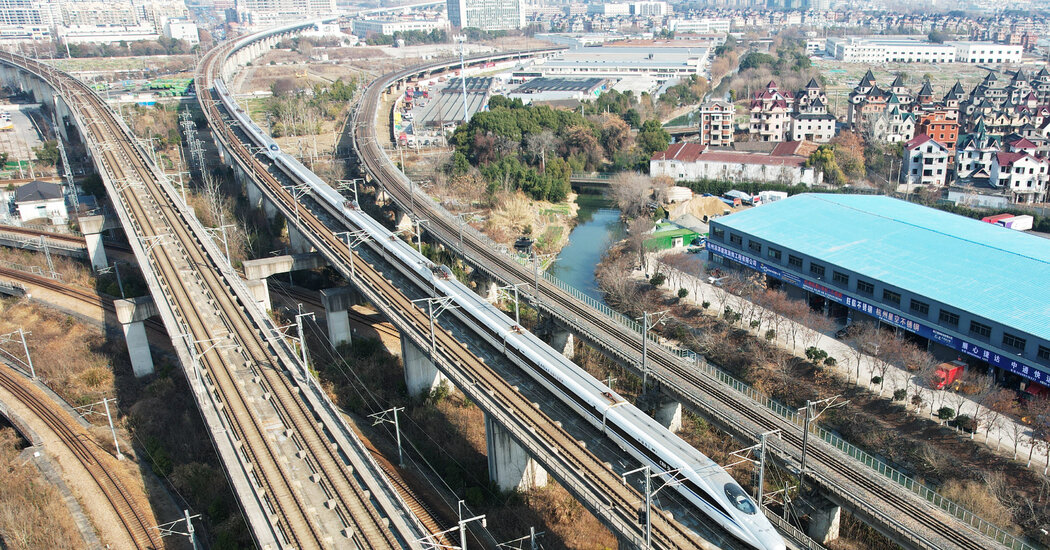
China is implementing a rare increase in fares for four major bullet train lines in an effort to address rising costs and heavy debts incurred during the construction of the railway system over the last two decades. This price hike is part of a broader move to raise prices for public services in China, which are heavily subsidized by local governments. The aim is to stem losses at state-owned enterprises that provide these services and help offset falling prices in the slowing Chinese economy. The government is also increasing electricity charges for factories while keeping residential rates low.

The bullet train system in China is a symbol of the country’s impressive infrastructure development, with a network spanning 28,000 miles connecting major cities and smaller towns. This massive undertaking has been financed through significant borrowing, leading to mounting debts for state-owned enterprises like China State Railway Group. The government is now shifting its growth strategy away from infrastructure investments toward high-tech manufacturing and exports, prompting concerns from the United States and Europe about potential job losses.

The fare increases on bullet train routes, set to take effect on June 15, have sparked criticism and discussion on social media in China. Many citizens have expressed dissatisfaction as salaries remain stagnant and real estate prices decline. Peak fares on certain routes, such as those from Hangzhou to Shanghai and Wuhan to Guangzhou, will rise by almost 20 percent for first- and second-class tickets, and up to 39 percent for business-class seats. The rail system aims to offer deeper discounts for off-peak tickets and slower trains as a result of the fare hikes.

Despite the price increases, China’s bullet trains remain less expensive than those in the West. A second-class high-speed train ticket for a nearly 600-mile trip from Wuhan to Guangzhou will cost $78, with first-class and business-class seats priced higher. Some smaller cities with less economic growth have seen limited usage of the bullet train system, while major metropolises like Shanghai experience crowded train stations, especially during holidays.

The rapid development of high-speed rail has led to the growth of new towns and cities along the train lines, with many people using the system for commuting between low-cost areas and high-cost urban centers. China State Railway continues to invest in expanding the network to connect outlying areas, despite operating profits remaining modest compared to its extensive debt. The government’s efforts to shift focus from infrastructure investments to high-tech manufacturing are aimed at economic transformation, but the challenges of managing debt and rising costs remain significant.


Follow on Google News Follow on Flipboard
Share. Facebook Twitter Pinterest Email Telegram WhatsApp Copy Link

You Might Like

Array

Array

Array

Array

Array

Array

Editors Picks

مرآة التاريخ: تحليل البناء السردي للدروس الخالدة في قصص الأنبياء والإسلام

1 month ago

السندات الحكومية والشركات: أساسيات الاستثمار الآمن والدخل الثابت

1 month ago

UAE Ranks Among Top Rugby Markets on TOD as British & Irish Lions Tour Kicks Off

6 months ago

Darven: A New Leap in AI-Powered Legal Technology Launching from the UAE to the World

6 months ago

Jordan to Host Iraq in the Final Round of the Asian World Cup Qualifiers After Securing Historic Spot

7 months ago

Latest News

فلسطين: قلبٌ ينبض بالصمود والأمل

7 months ago

Roland Garros 2025: A New Era of Viewing, A Tribute to Legends, and Moments to Remember

7 months ago

Array

7 months ago
Advertisement
Facebook X (Twitter) TikTok Instagram Threads
© 2025 West Timelines. All Rights Reserved. Developed By: Sawah Solutions
  • Privacy Policy
  • Terms
  • Contact

Type above and press Enter to search. Press Esc to cancel.