




Close Menu
West TimelinesWest Timelines
  • News
  • Politics
  • World
    • Africa
    • Asia
    • Australia
    • Europe
      • United Kingdom
      • Germany
      • France
      • Italy
      • Russia
      • Spain
      • Turkey
      • Ukraine
    • North America
      • United States
      • Canada
    • South America
  • Business
    • Finance
    • Markets
    • Investing
    • Small Business
    • Crypto
  • Elections
  • Entertainment
  • Health
  • Lifestyle
    • Fashion
    • Food & Drink
    • Travel
    • Astrology
  • Weird News
  • Science
  • Sports
    • Soccer
  • Technology
  • Viral Trends
Trending Now

Dubai Spotlight: Analyzing the Evolving Audience Tastes with AI Social Listening Tools in the UAE

4 weeks ago

مرآة التاريخ: تحليل البناء السردي للدروس الخالدة في قصص الأنبياء والإسلام

1 month ago

السندات الحكومية والشركات: أساسيات الاستثمار الآمن والدخل الثابت

1 month ago

UAE Ranks Among Top Rugby Markets on TOD as British & Irish Lions Tour Kicks Off

5 months ago

Darven: A New Leap in AI-Powered Legal Technology Launching from the UAE to the World

6 months ago
Facebook X (Twitter) Instagram
West TimelinesWest Timelines
  • News
  • US
  • #Elections
  • World
    • North America
      • United States
      • Canada
    • Europe
      • United Kingdom
      • Germany
      • France
      • Italy
      • Spain
      • Ukraine
      • Russia
      • Turkey
    • Asia
    • Australia
    • Africa
    • South America
  • Politics
  • Business
    • Finance
    • Investing
    • Markets
    • Small Business
    • Crypto
  • Lifestyle
    • Astrology
    • Fashion
    • Food & Drink
    • Travel
  • Health
  • Sports
    • Soccer
  • More
    • Entertainment
    • Technology
    • Science
    • Viral Trends
    • Weird News
Subscribe
  • Israel War
  • Ukraine War
  • United Kingdom
  • Canada
  • Germany
  • France
  • Italy
  • Russia
  • Spain
  • Turkey
  • Ukraine
West TimelinesWest Timelines
Home»World»North America»United States
United States

The Evolution of the Eurovision Song Contest: From Modest Beginnings to Spectacular Showbiz

May 7, 2024No Comments2 Mins Read
Facebook Twitter Pinterest LinkedIn Telegram Email WhatsApp Copy Link

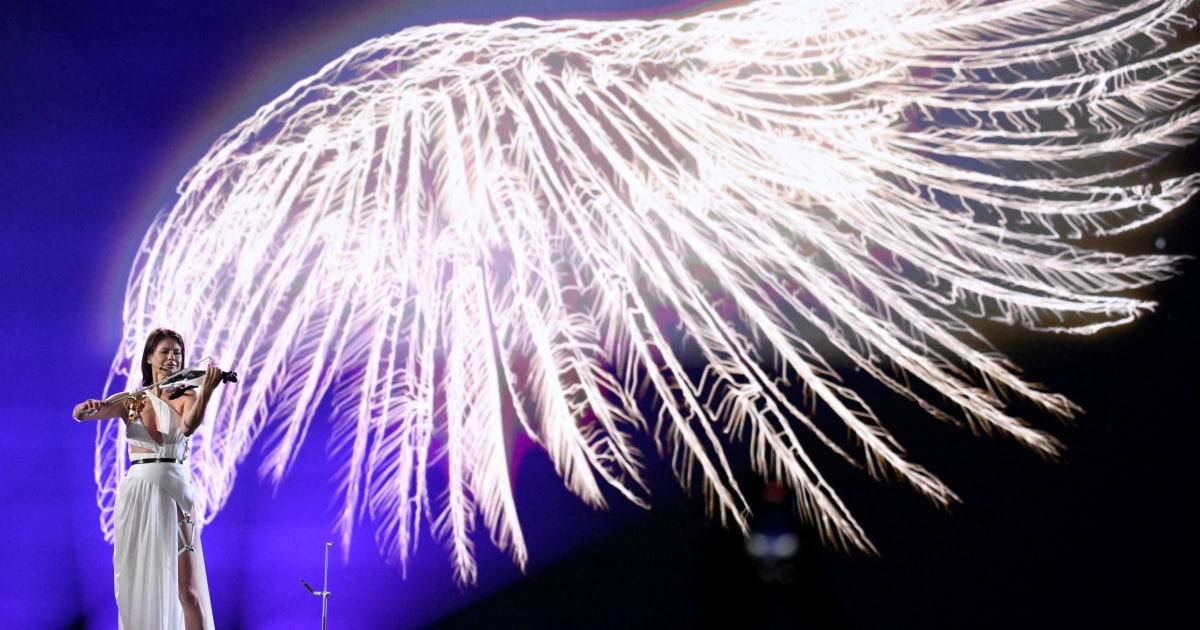
The Eurovision Song Contest, known for its glitz, glamor, and eccentricity, began as an attempt to heal post-World War II Europe and test the technology of live television broadcasting. Starting with only seven countries in 1956, the competition has grown into a weeklong spectacle with dozens of countries competing, even including nations outside of Europe, such as Israel and Australia. While not everyone enjoys the contest, it is seen as a unifying event that brings different cultures together through music.

Over the years, the Eurovision Song Contest has launched the careers of famous artists and produced hit songs that have achieved worldwide success. Artists like ABBA, Celine Dion, and Julio Iglesias gained international recognition after participating in the competition. Despite controversies surrounding its voting system, music quality, and hosting costs, the contest has undergone rule changes to adapt to the evolving landscape of entertainment and technology. Semifinals were introduced in 2004, phone voting was implemented in 1997, and performers were allowed to sing in any language in 1999.

Following the dissolution of the Soviet Union and the breakup of former Yugoslavia, the Eurovision Song Contest saw an increase in participating nations, leading to the need for larger arenas and more commercial sponsorships. As the contest expanded, it became more political, reflecting the changing dynamics of European integration. Some countries used the contest as a tool for cultural diplomacy, while politics played a role in voting and participation decisions. Despite its attempts to remain apolitical, the contest has not been immune to geopolitical tensions.

While known for its colorful and campy performances, the Eurovision Song Contest has also become popular within the LGBTQ community, with performers like Dana International and Conchita Wurst winning the competition. This year’s contest features nonbinary performers, highlighting the event’s embrace of diversity and inclusion. In some parts of Europe, the contest has become a cultural tradition, with viewing parties, crazy outfits, and high TV ratings in countries like Sweden, Finland, Norway, and Iceland. The event has become a celebration of music, diversity, and unity across the continent.


Follow on Google News Follow on Flipboard
Share. Facebook Twitter Pinterest Email Telegram WhatsApp Copy Link

You Might Like

Array

Array

Array

Array

Array

Array

Editors Picks

مرآة التاريخ: تحليل البناء السردي للدروس الخالدة في قصص الأنبياء والإسلام

1 month ago

السندات الحكومية والشركات: أساسيات الاستثمار الآمن والدخل الثابت

1 month ago

UAE Ranks Among Top Rugby Markets on TOD as British & Irish Lions Tour Kicks Off

5 months ago

Darven: A New Leap in AI-Powered Legal Technology Launching from the UAE to the World

6 months ago

Jordan to Host Iraq in the Final Round of the Asian World Cup Qualifiers After Securing Historic Spot

6 months ago

Latest News

فلسطين: قلبٌ ينبض بالصمود والأمل

7 months ago

Roland Garros 2025: A New Era of Viewing, A Tribute to Legends, and Moments to Remember

7 months ago

Array

7 months ago
Advertisement
Facebook X (Twitter) TikTok Instagram Threads
© 2025 West Timelines. All Rights Reserved. Developed By: Sawah Solutions
  • Privacy Policy
  • Terms
  • Contact

Type above and press Enter to search. Press Esc to cancel.