




Close Menu
West TimelinesWest Timelines
  • News
  • Politics
  • World
    • Africa
    • Asia
    • Australia
    • Europe
      • United Kingdom
      • Germany
      • France
      • Italy
      • Russia
      • Spain
      • Turkey
      • Ukraine
    • North America
      • United States
      • Canada
    • South America
  • Business
    • Finance
    • Markets
    • Investing
    • Small Business
    • Crypto
  • Elections
  • Entertainment
  • Health
  • Lifestyle
    • Fashion
    • Food & Drink
    • Travel
    • Astrology
  • Weird News
  • Science
  • Sports
    • Soccer
  • Technology
  • Viral Trends
Trending Now

Dubai Spotlight: Analyzing the Evolving Audience Tastes with AI Social Listening Tools in the UAE

4 weeks ago

مرآة التاريخ: تحليل البناء السردي للدروس الخالدة في قصص الأنبياء والإسلام

1 month ago

السندات الحكومية والشركات: أساسيات الاستثمار الآمن والدخل الثابت

1 month ago

UAE Ranks Among Top Rugby Markets on TOD as British & Irish Lions Tour Kicks Off

5 months ago

Darven: A New Leap in AI-Powered Legal Technology Launching from the UAE to the World

6 months ago
Facebook X (Twitter) Instagram
West TimelinesWest Timelines
  • News
  • US
  • #Elections
  • World
    • North America
      • United States
      • Canada
    • Europe
      • United Kingdom
      • Germany
      • France
      • Italy
      • Spain
      • Ukraine
      • Russia
      • Turkey
    • Asia
    • Australia
    • Africa
    • South America
  • Politics
  • Business
    • Finance
    • Investing
    • Markets
    • Small Business
    • Crypto
  • Lifestyle
    • Astrology
    • Fashion
    • Food & Drink
    • Travel
  • Health
  • Sports
    • Soccer
  • More
    • Entertainment
    • Technology
    • Science
    • Viral Trends
    • Weird News
Subscribe
  • Israel War
  • Ukraine War
  • United Kingdom
  • Canada
  • Germany
  • France
  • Italy
  • Russia
  • Spain
  • Turkey
  • Ukraine
West TimelinesWest Timelines
Home»News
News

For the First Time, an Orangutan was Observed Using a Medicinal Plant to Treat Its Wound

May 2, 2024No Comments3 Mins Read
Facebook Twitter Pinterest LinkedIn Telegram Email WhatsApp Copy Link

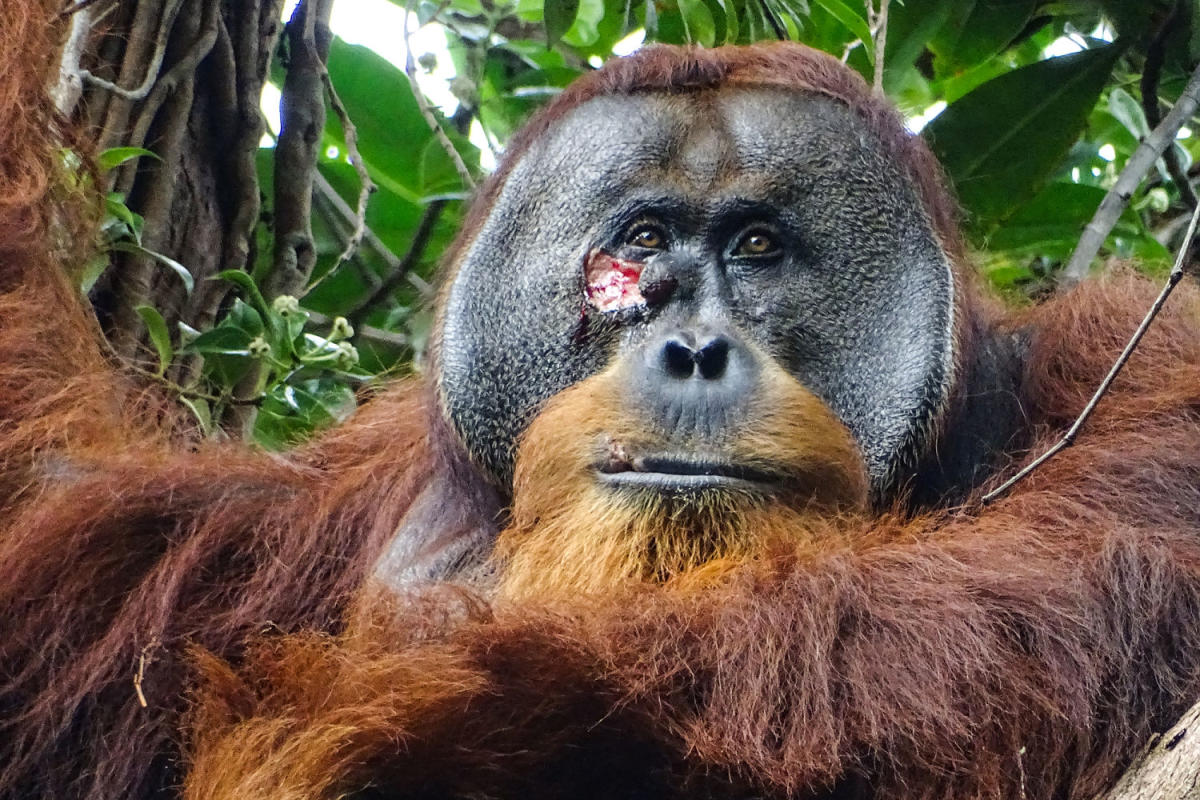
Researchers observed an orangutan named Rakus in a rainforest in Sumatra, Indonesia, with a significant wound below his right eyelid and another one inside his mouth. They discovered that Rakus was chewing on the leaves of a particular liana plant known to humans as a pain reliever and even applied a paste made from the leaves to his face. This behavior of using leaves as a poultice for wound treatment was the first documentation of external self-medication in animals.

The wound on Rakus never became infected and healed within a week, which suggests that orangutans are capable of identifying and using pain-relieving plants. Researchers believe that this ability may trace back to a shared ancestor with humans. The discovery was made in the Suaq Balimbing research area, a protected rainforest in Indonesia’s Gunung Leuser National Park, where about 150 orangutans reside. Rakus, who has been observed since 2009, is either a resident or frequent visitor to the area.

Scientists have been observing orangutans in the Suaq Balimbing research area since 1994, following individual orangutans from early morning until they build a new nest at night. The researchers were surprised by Rakus’ behavior of self-medication, as they had not previously observed orangutans engaging in such activities in the area. Rakus may have learned to treat his wound through individual innovation or cultural learning from other orangutans.

Evidence of animal self-medication has been increasing in recent years, with examples such as chimpanzees using specific plants to prevent parasites or treat sickness. The ability of animals to self-medicate demonstrates their control over their lives and adaptive behavior. This behavior may have influenced ancient humans in identifying medicinal plants and substances by observing animals and learning from their actions.

Researchers believe that ancient humans may have learned about medicinal plants from animals, as many of the plants used by animals for self-medication are also used by humans. Rakus’ behavior of using leaves as a poultice for wound treatment may offer insight into how ancient primates, including humans, developed their inclination for pursuing medicines. Orangutans, which are considered critically endangered, can provide valuable information about the natural world and the importance of conservation efforts.

The findings from the study conducted on Rakus could shed light on the evolutionary roots of self-medication behaviors in animals and humans. The rainforests where Sumatran orangutans live are facing threats from deforestation, agriculture, and climate change, which are endangering the survival of these species. By studying behaviors like self-medication in orangutans, researchers can learn more about the interconnectedness of species and the importance of preserving natural habitats for the survival of endangered animals like the orangutans.


Follow on Google News Follow on Flipboard
Share. Facebook Twitter Pinterest Email Telegram WhatsApp Copy Link

You Might Like

Array

Array

Array

Array

Array

Array

Editors Picks

مرآة التاريخ: تحليل البناء السردي للدروس الخالدة في قصص الأنبياء والإسلام

1 month ago

السندات الحكومية والشركات: أساسيات الاستثمار الآمن والدخل الثابت

1 month ago

UAE Ranks Among Top Rugby Markets on TOD as British & Irish Lions Tour Kicks Off

5 months ago

Darven: A New Leap in AI-Powered Legal Technology Launching from the UAE to the World

6 months ago

Jordan to Host Iraq in the Final Round of the Asian World Cup Qualifiers After Securing Historic Spot

6 months ago

Latest News

فلسطين: قلبٌ ينبض بالصمود والأمل

7 months ago

Roland Garros 2025: A New Era of Viewing, A Tribute to Legends, and Moments to Remember

7 months ago

Array

7 months ago
Advertisement
Facebook X (Twitter) TikTok Instagram Threads
© 2025 West Timelines. All Rights Reserved. Developed By: Sawah Solutions
  • Privacy Policy
  • Terms
  • Contact

Type above and press Enter to search. Press Esc to cancel.