




Large companies are increasingly deploying AI technology to replace employees under the guise of improving productivity and enhancing customer experience. While AI is not the first technology to replace human labor, its progress has been faster, leading to its widespread adoption across various industries. For example, Klarna, a buy-now-pay-later service, has implemented an AI-powered customer service chatbot system that is equivalent to 700 customer service agents, resulting in increased efficiency and reduced dependence on human workers.
Financial services companies like Goldman Sachs and Morgan Stanley are also turning to AI tools to automate tasks such as preparing spreadsheets, creating PowerPoints, and analyzing financial data. This shift towards automation is indicative of a larger trend in the industry where technology is replacing entry-level white-collar jobs. Electronics retailer Best Buy has also laid off employees while investing in an AI venture with Google to provide customers with personalized tech support experiences, further showcasing the impact of AI on employment.
Small businesses are not immune to the wave of automation brought about by AI, with companies like Little Beaver Brewery and Burning Rice utilizing platforms like Sling.ai to handle customer interactions and reservations. Additionally, local governments are implementing AI-powered systems to streamline processes, reduce costs, and improve efficiency. These developments underscore the growing influence of AI technology in reshaping the workforce and job market.
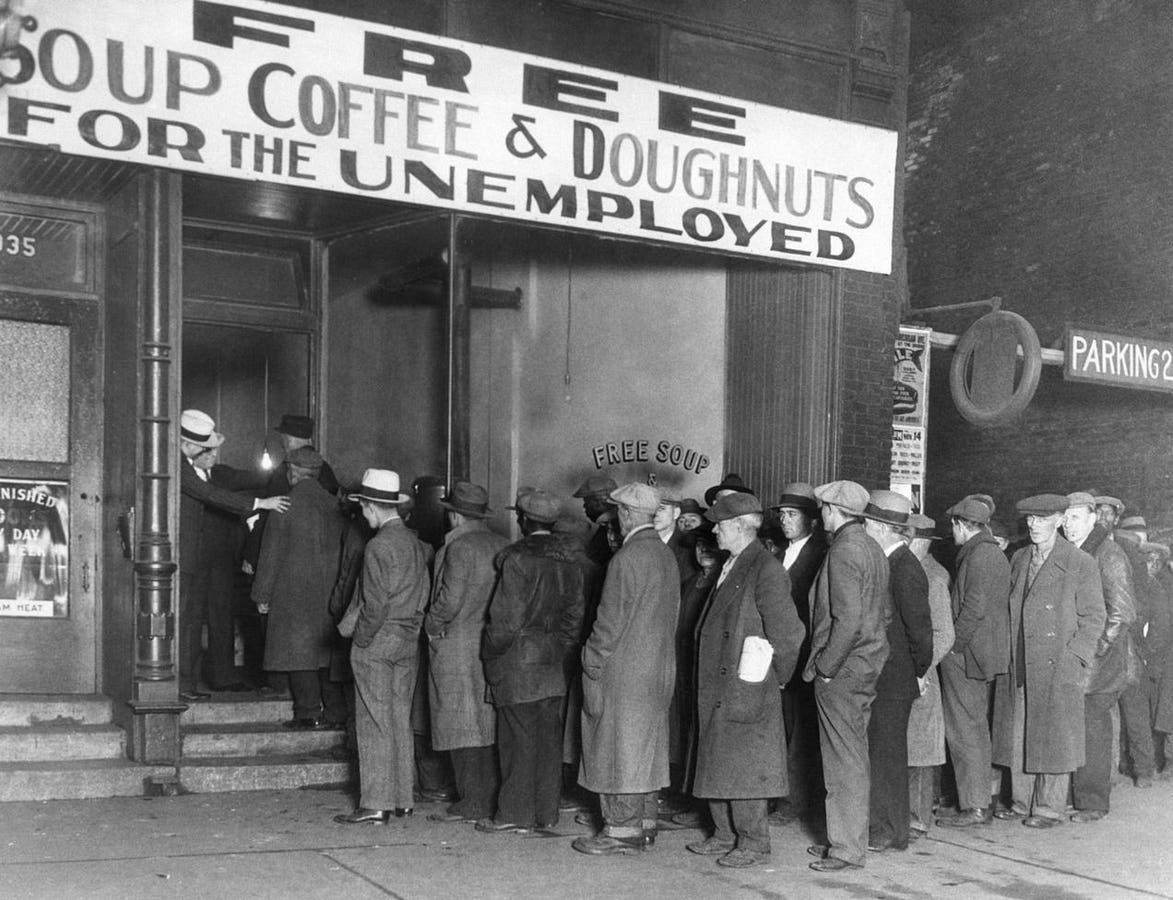
Despite concerns over potential job losses due to AI, history has shown that technology advancements have consistently changed the landscape of various professions. While some jobs may become obsolete, new opportunities and roles are created, such as prompt engineers, AI managers, testers, consultants, and trainers. Investment in generative AI ventures is expected to reach $12 billion globally by 2024, leading to the establishment of numerous startups and expansion of existing organizations, creating a new industry with diverse employment opportunities.
Although big brands are increasingly using AI to replace human workers, the transition towards automation is not a cause for alarm. As with past industrial revolutions, humans will adapt and find new ways to utilize their skills and time. While the impact of AI on employment may be significant, the evolution of technology and the job market will continue to present new challenges and opportunities for individuals in the workforce. Rather than fearing job displacement, individuals should consider upskilling and reskilling to remain competitive in an increasingly automated world.