






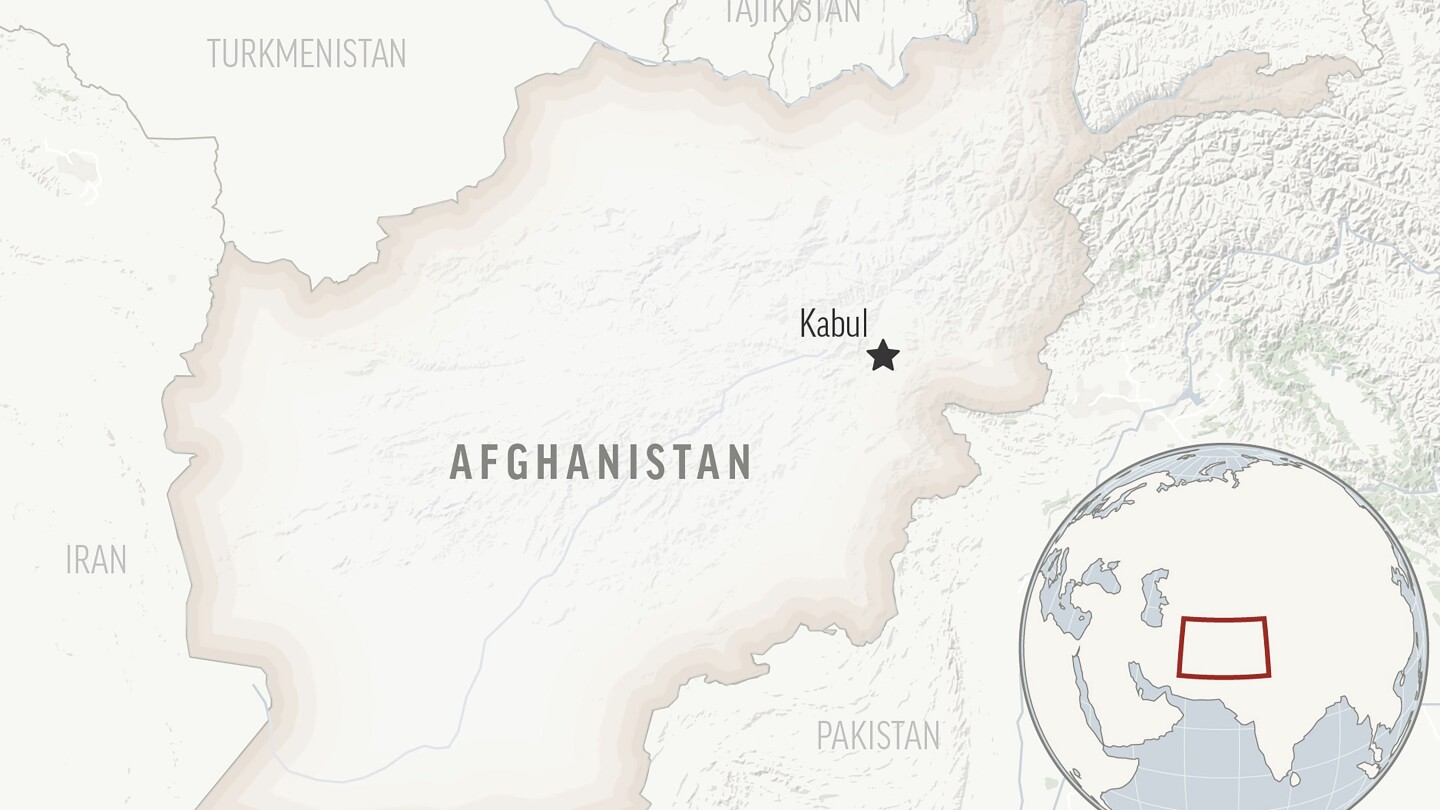
The recent heavy flooding in Afghanistan has resulted in the death of at least 33 people and injuries to 27 others in just three days, according to a Taliban spokesman. Abdullah Janan Saiq, the Taliban’s spokesperson for the State Ministry for Natural Disaster Management, revealed that flash floods had hit the capital city of Kabul and several provinces, causing extensive damage. More than 600 houses were either damaged or destroyed, and around 200 livestock perished as a result of the flooding. Additionally, approximately 800 hectares of agricultural land and over 85 kilometers of roads were affected by the disaster. Provinces such as Western Farah, Herat, southern Zabul, and Kandahar were among the hardest hit regions.
The weather department has issued a forecast for more rain in the coming days in most of Afghanistan’s 34 provinces. This prediction raises concerns about the potential for further flooding and its potentially devastating impact on already vulnerable communities. The continuous rainfall poses a significant threat to infrastructure, livelihoods, and public safety in affected areas. The authorities have been urged to take proactive measures to ensure the safety and well-being of residents, including evacuation plans and emergency response protocols. The Afghan government is working to assess the full extent of the damage and provide timely assistance to those affected by the floods.
The ongoing flooding in Afghanistan highlights the urgent need for improved disaster preparedness and response mechanisms in the country. The impact of climate change, including more frequent and intense rainfall events, exacerbates the vulnerability of communities to natural disasters such as floods. Efforts to strengthen resilience and adaptive capacity at the local, national, and regional levels are essential to mitigate the impact of extreme weather events on vulnerable populations. Adequate resources, expertise, and coordination are necessary to effectively respond to emergencies and support affected communities in their recovery efforts.
The international community has expressed solidarity with Afghanistan in the wake of the devastating floods, offering assistance and support to help address the humanitarian crisis. Aid organizations and humanitarian agencies are mobilizing resources to provide emergency relief, including shelter, food, clean water, and medical assistance to those affected by the flooding. Coordination between government agencies, civil society organizations, and international partners is crucial to ensure a swift and effective response to the crisis. The collaborative efforts of all stakeholders are vital in addressing the immediate needs of the affected population and laying the foundation for long-term recovery and resilience building.
The impact of the flooding on vulnerable communities in Afghanistan underscores the importance of investing in disaster risk reduction and climate adaptation strategies. Building resilient infrastructure, promoting sustainable land use practices, and enhancing early warning systems are key measures to reduce the risk of future disasters and protect lives and livelihoods. Climate-resilient development planning and investment in adaptive solutions are essential to address the growing threats posed by climate change and extreme weather events. By prioritizing disaster risk reduction and resilience building, Afghanistan can better prepare for and respond to natural disasters, safeguarding the well-being of its population and promoting sustainable development.
As Afghanistan continues to grapple with the aftermath of the devastating floods, the response efforts of government authorities, humanitarian organizations, and international partners are crucial in providing immediate relief and support to those in need. The resilience and unity of communities affected by the disaster, coupled with coordinated and timely assistance, will be essential in overcoming the challenges posed by the flooding and rebuilding stronger and more resilient communities. By standing together and working collaboratively, Afghanistan can navigate the difficult road to recovery and emerge stronger in the face of adversity.