





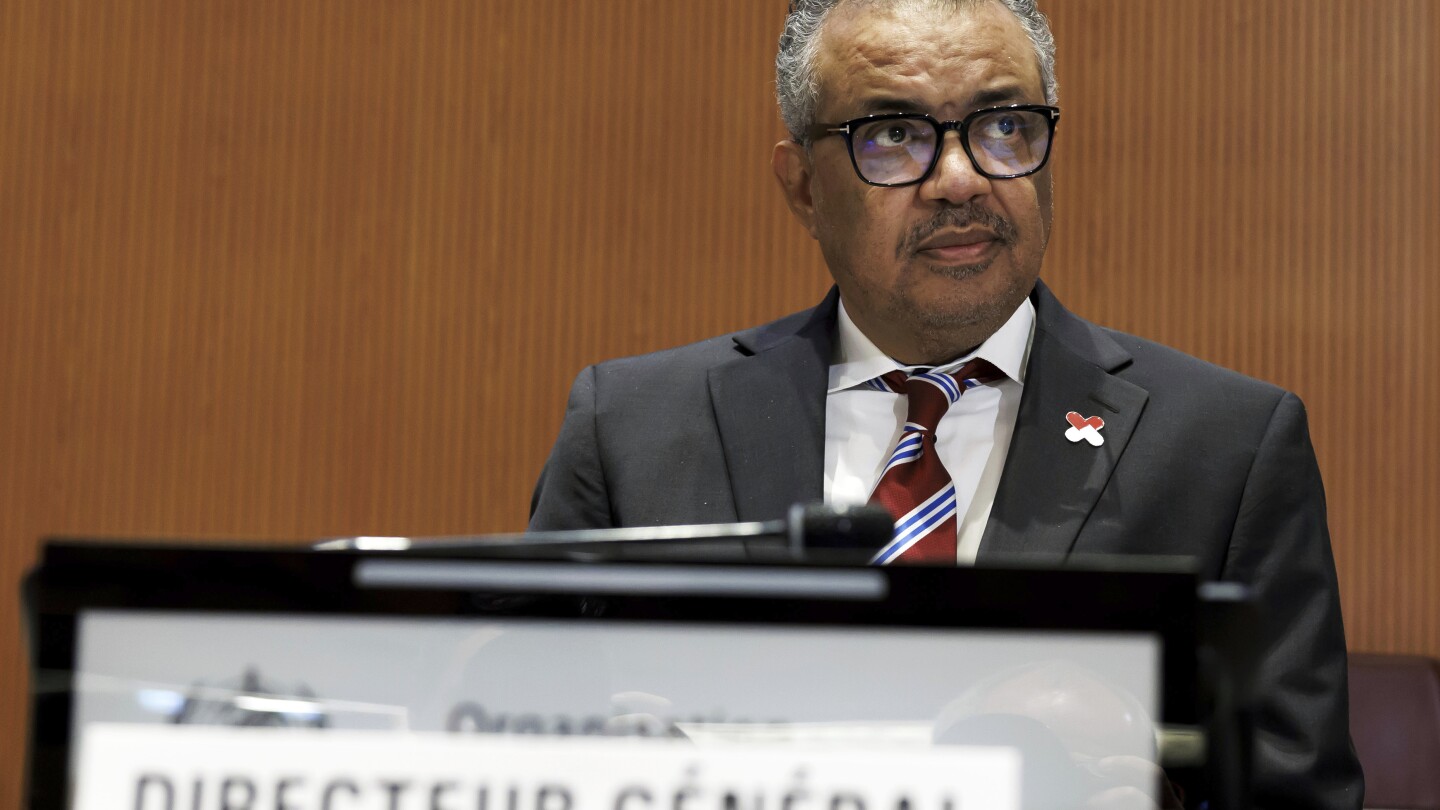
The World Health Organization’s annual assembly started with a focus on improving global readiness for deadly outbreaks like COVID-19, after a proposed pandemic treaty failed to gain consensus. The pandemic treaty, which aimed to set out new ways to prepare for and respond to future pandemics, was shelved last week due to disagreements. As COVID-19 fades from the spotlight, health officials are working to address other pressing issues such as climate change and war. The World Health Assembly is now considering proposed changes to the WHO’s International Health Regulations to enhance alert, detection, and containment capacities, as well as promote international cooperation.
One of the proposed changes is allowing the WHO director-general to declare a “pandemic emergency,” which could streamline the response to future outbreaks. While progress is being made on these proposed changes, disagreements between rich and developing countries continue to linger. Issues such as the sharing of information on pathogens and the creation of a new fund to support pandemic-fighting efforts in developing countries remain unresolved. WHO Director-General Tedros Adhanom Ghebreyesus remains optimistic, emphasizing the need for a united global response to address the challenges posed by infectious diseases that do not respect national borders.
Despite the setback with the pandemic treaty, Tedros believes that a consensus can still be reached at the World Health Assembly, highlighting the importance of international cooperation in the face of global health threats. He acknowledged the difficulty of the task at hand but expressed confidence in finding a way forward. The assembly is tasked with finding solutions to complex issues such as information sharing and resource allocation during outbreaks. Health ministers are under pressure to bridge deep-seated differences and develop a clear roadmap for future pandemic response efforts. Failure to reach a consensus at the assembly would be seen as a missed opportunity to strengthen global preparedness for future health crises.
Experts stress the need for a comprehensive approach to pandemic preparedness that takes into account the interests of all countries. The assembly serves as a critical platform for decision-makers to prioritize cooperation and information sharing to effectively respond to emerging health threats. With the ongoing challenges posed by infectious diseases, including the uneven distribution of vaccines and limited resources, a united front is essential in achieving a sustainable and equitable global health response. As the world grapples with the aftermath of COVID-19, the importance of proactive measures to prevent and mitigate future pandemics is more apparent than ever.