




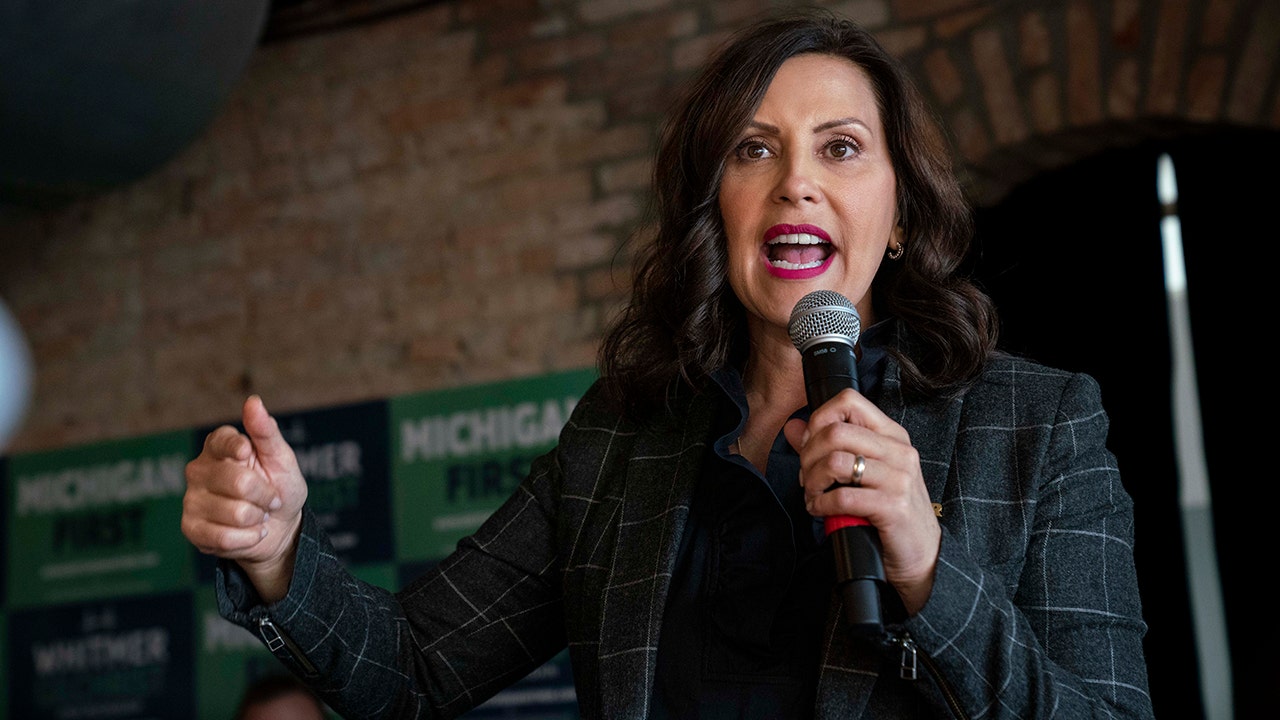
Michigan Governor Gretchen Whitmer addressed concerns about President Biden’s handling of the situation in the Middle East and its potential impact on Michigan’s voter base during an appearance on NBC’s “Meet the Press.” She emphasized the need to support and engage with the diverse communities in the state, particularly those who have been directly impacted by the recent conflict. Whitmer’s comments came in the wake of protests in Dearborn where participants chanted “Death to America” and “Death to Israel,” sparking controversy and condemnation from various sources.
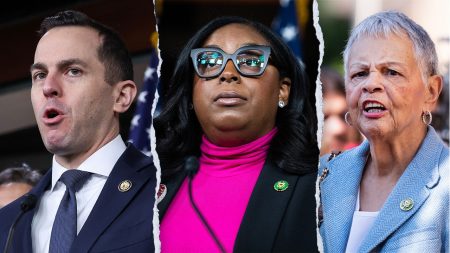
Despite the outcry over the inflammatory chants at the protests, Governor Whitmer, along with Democratic Rep. Rashida Tlaib, have faced criticism for remaining silent on the issue. Whitmer did not directly address the specific incident during her interview, but did acknowledge the challenges faced by both the Jewish and Arab American communities in Michigan. The Biden campaign made it clear that they do not want the support of individuals who participated in the controversial chants, distancing themselves from the protesters in an effort to maintain political integrity and appeal.
In response to the protests, Dearborn Mayor Abdullah Hammoud publicly denounced the chants as being unacceptable and contrary to the values of the city. The lack of condemnation from Whitmer and Tlaib has drawn scrutiny from state Republicans and the public, with calls for them to address the situation directly. Whitmer has not provided a definitive statement on the chants, despite being pressed for comment by media outlets. The silence from key political figures on this issue has fueled backlash and raised questions about their stance on such divisive and inflammatory rhetoric.
The Biden administration condemned the chants as abhorrent and anti-Semitic, distancing themselves from the sentiments expressed at the protests. Whitmer refrained from labeling the conflict in the Middle East as a genocide, choosing instead to focus on promoting dialogue and peace. Critics argue that her neutral stance may be seen as evasive or ineffective in addressing the underlying tensions and conflicts within the communities in Michigan. The controversy surrounding the protests and the subsequent responses from political leaders highlight the need for effective communication and leadership in times of crisis and conflict.
Whitmer’s appearance on “Meet the Press” provided a platform for her to address concerns about the ongoing conflict in the Middle East and its impact on Michigan. While she acknowledged the pain and suffering experienced by individuals within the diverse communities in the state, her response did not directly address the chants and protests that have generated controversy. As tensions continue to escalate and divisions deepen, the role of political leaders in fostering understanding and unity becomes increasingly crucial. Whitmer’s handling of this situation may have implications for her leadership and political standing in Michigan moving forward.