




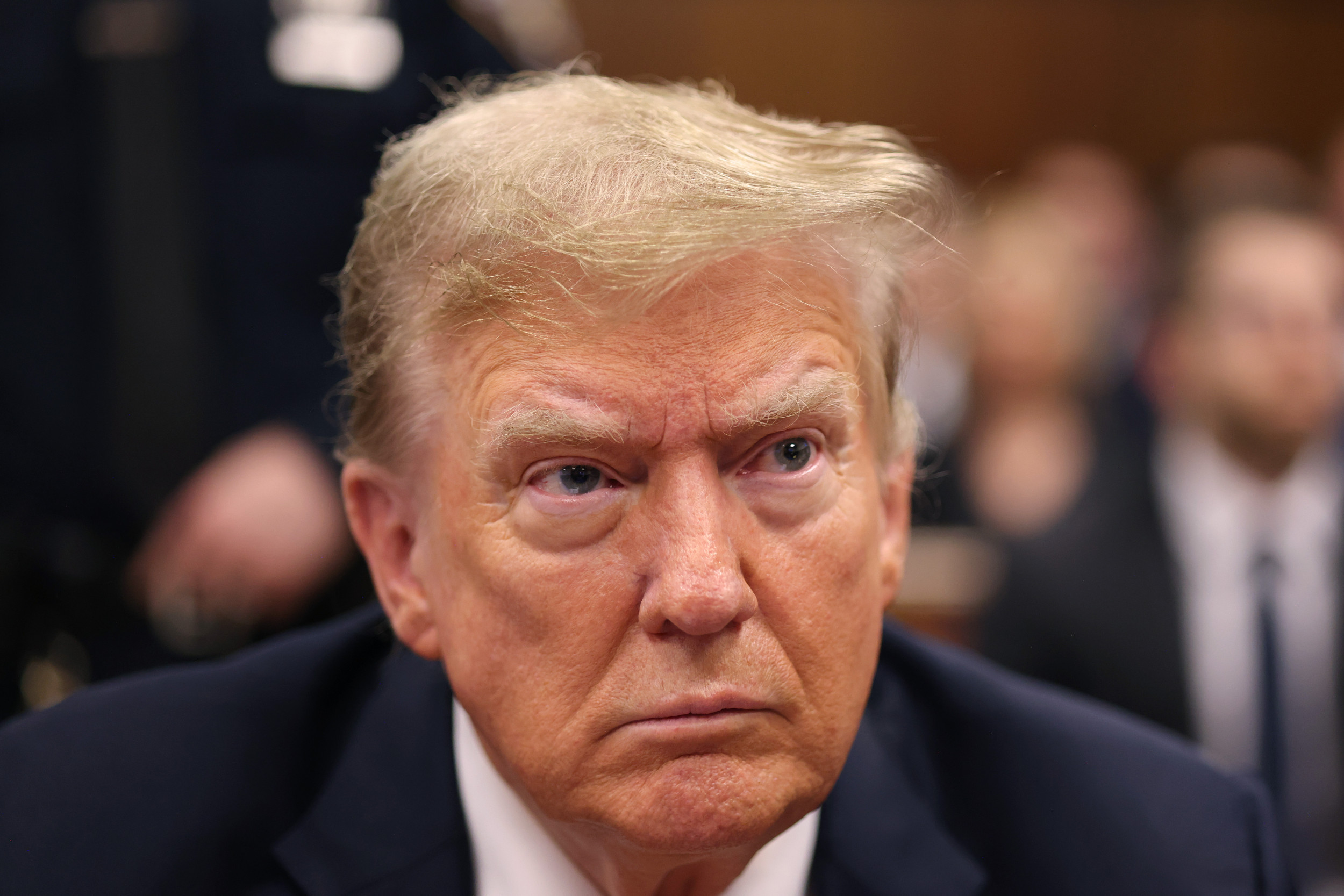
Both the prosecution and defense have rested in Donald Trump’s criminal hush money trial, with the jury set to return next week to determine the former president’s fate. The trial has seen Trump charged with 34 felony counts of falsifying business records related to a $130,000 payment to Stormy Daniels before the 2016 election. Despite pleading not guilty, Trump’s trial continues with Judge Juan Merchan holding a pre-charge conference to determine how instructions to jurors will be delivered following Memorial Day weekend.
The court has outlined how jurors will be instructed in Trump’s trial, with the judge agreeing to refer to star witness Michael Cohen as an “accomplice,” acknowledging his role in the case. However, the defense’s request for jurors to be informed about the lack of limits on a candidate’s contributions to their own campaign was denied by the judge. Additionally, the defense’s attempts to have the jury instructed about the legality of hush money payments and non-disclosure agreements were also unsuccessful, as the judge felt it was unnecessary to outline these points in the instructions.
Several key issues remain undecided following the pre-charge conference, including whether jurors will be informed that federal election law requires a “willful” violation. Another unresolved issue is whether examples will be provided to demonstrate that a candidate’s status does not need to be the sole motivation for committing the crime. The judge also reserved decision on whether instructions related to false entries in business records should be struck from the jury’s directions, showing that there are still significant questions to be addressed as the trial progresses.
Despite the defense’s efforts to introduce certain arguments during the instructions to sway the jury in Trump’s favor, the judge has remained firm in his decisions on what will and will not be included in the instructions. While the defense attempted to argue for a more favorable instruction around Trump’s intent and involvement of his lawyers in the matter, the judge shut down these arguments, emphasizing the need for neutrality and the adherence to existing legal instructions that have been developed by experts in the field.
Ultimately, the closing arguments and jury instructions in Trump’s trial will play a crucial role in determining the outcome of the case. With both sides presenting their evidence and making their final statements, the jury will be tasked with considering all the information presented to them before deliberating on Trump’s guilt or innocence. As the trial moves forward, it remains to be seen how the jury will interpret the instructions provided to them by Judge Merchan and how these decisions will impact the final verdict in this high-profile case.