




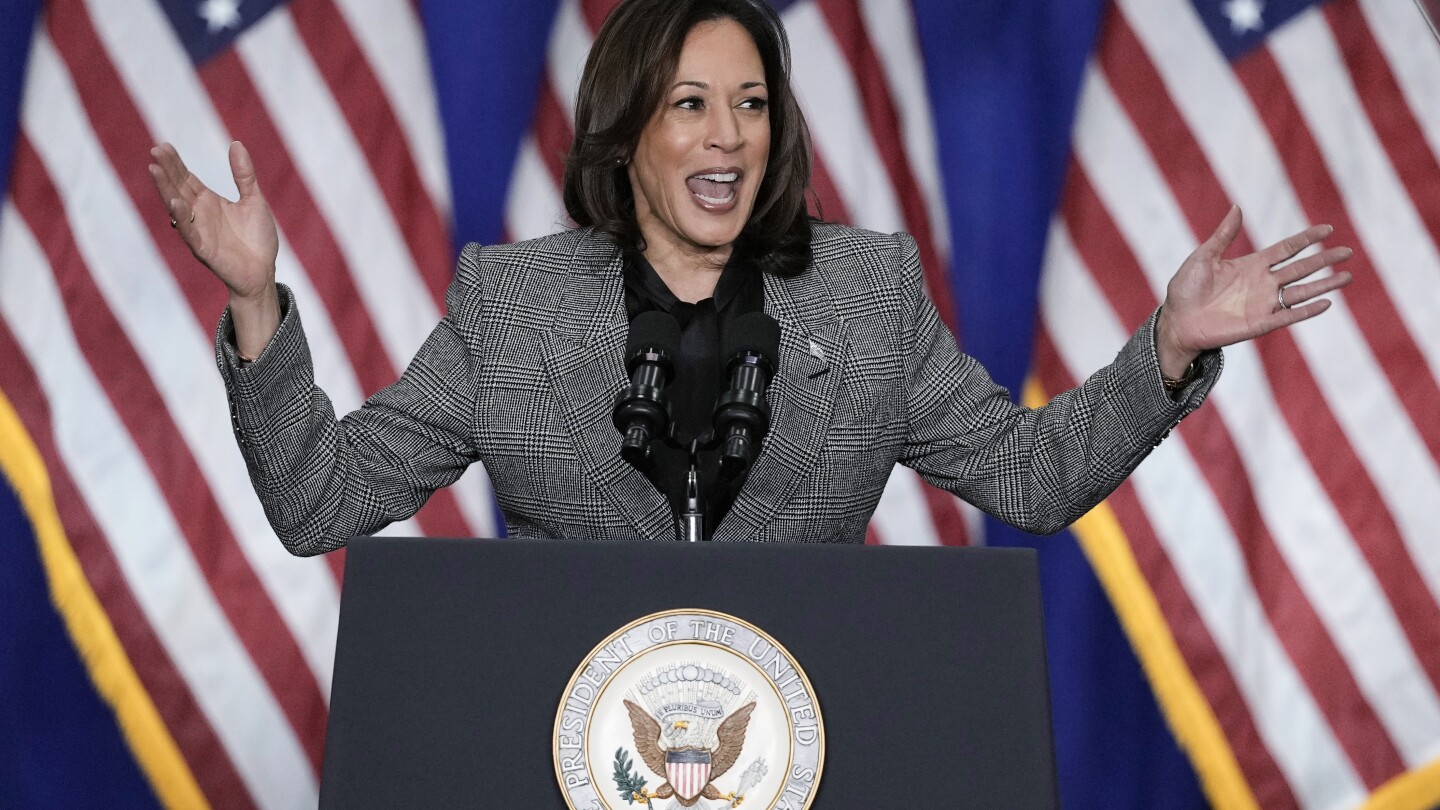
The federal government will now require nursing homes to have minimum staffing levels for the first time after the COVID-19 pandemic highlighted the grim realities of poorly staffed facilities for older and disabled Americans. The new rule, which will be announced by Vice President Kamala Harris, will require a minimum number of hours that staff spend with residents and will mandate that a registered nurse be available around the clock at these facilities. This move comes after President Joe Biden first announced his plan to set nursing home staffing levels in his 2022 State of the Union address, but the final rule has taken longer to finalize due to ongoing health care worker shortages.
Allies of older adults have been advocating for these regulations for decades, and while they are expected to draw pushback from the nursing home industry, they are seen as necessary to improve the quality of care in these facilities. The event announcing the new rules will mark Harris’ third visit to the battleground state of Wisconsin this year, as part of Biden’s efforts to gain support from union workers. The administration has emphasized its pro-union stance, with Biden receiving endorsements from leading labor groups such as the AFL-CIO, American Federation of Teachers, and American Federation of State, County, and Municipal Employees.
The devastating impact of the coronavirus pandemic on nursing home residents in the U.S., with over 167,000 deaths, exposed the poor staffing levels in these facilities and led to many workers leaving the industry. Advocates reported instances of neglect, residents going without essential care, and poor quality of life as a result of inadequate staffing. The new rules propose staffing equivalent to 3.48 hours per resident per day, with just over half an hour of it coming from registered nurses. This means facilities with 100 residents would need more staff to meet the new standards, including two or three registered nurses and 10 or 11 nurse aides.
While the new thresholds are lower than those advocated for by experts, they still represent a significant improvement in staffing levels compared to current standards. The government will allow the rules to be introduced in phases, with longer timeframes for nursing homes in rural communities and temporary exemptions for places facing workforce shortages. When the rules were initially proposed last year, the American Health Care Association, which represents care facilities, rejected the changes, calling them “unfathomable.” The association’s president, Mark Parkinson, expressed hope for convincing the administration not to finalize the rule.
Overall, the new regulations aim to address long-standing issues of understaffing and inadequate care in nursing homes, with the goal of improving the quality of life for residents and ensuring better outcomes for older and disabled Americans. The Biden administration’s focus on union workers and its commitment to implementing these staffing standards underscore the importance of providing proper care and support to some of the most vulnerable members of society. The move towards minimum staffing levels in nursing homes is a significant step towards ensuring the well-being and safety of those in need of care in these facilities.