




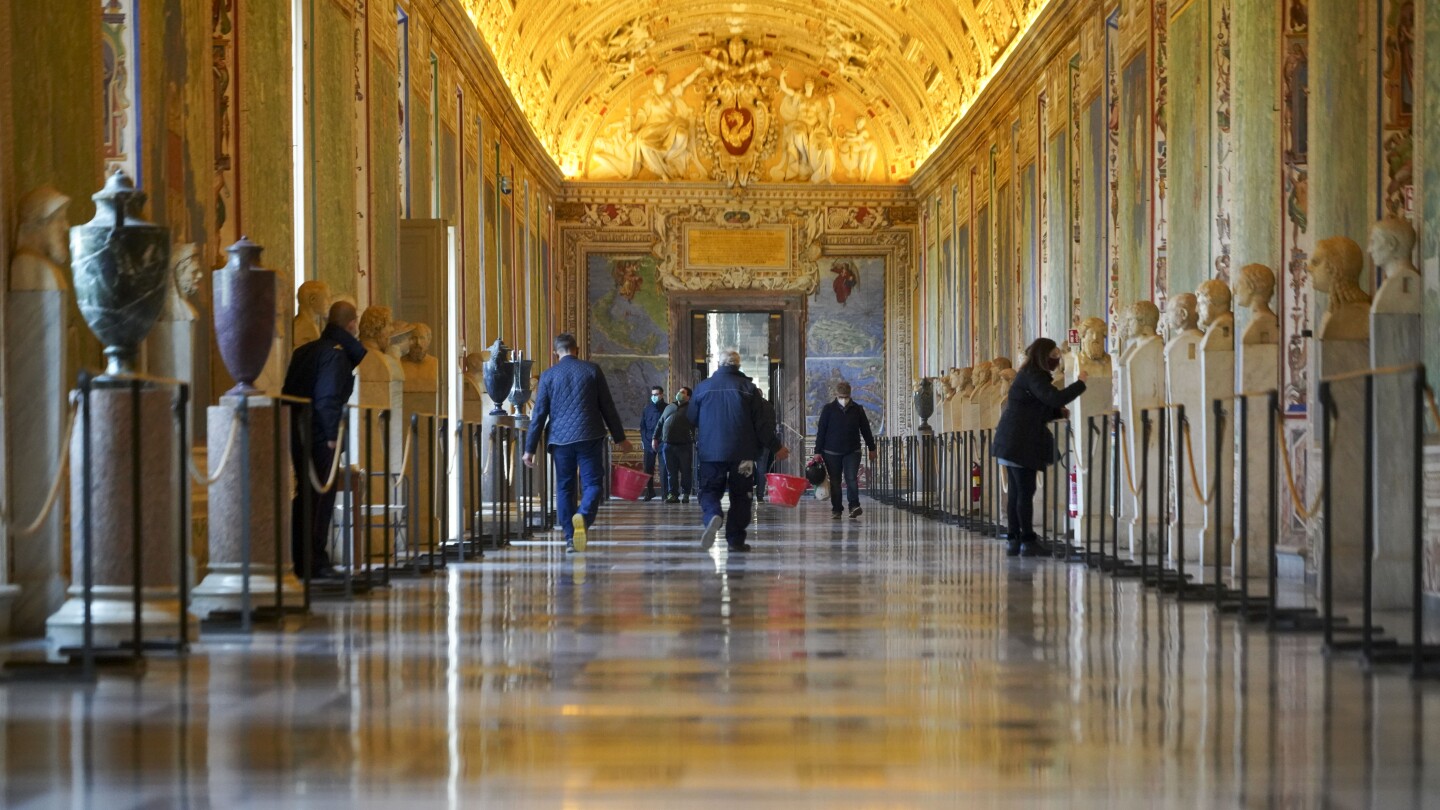
The Vatican Museums are facing a class-action complaint from 49 employees who are demanding better seniority, leave, and overtime benefits, as well as improved working conditions. The complaint, which was made public in Italian newspapers, highlights health and security risks faced by staff due to cost-saving measures and overcrowding in the museums. The employees are challenging Pope Francis’ governance and calling for more transparency and respect for workers’ dignity.
The Vatican’s labor regulations give Cardinal Fernando Vérgez Alzaga, the president of the Vatican City State administration, 30 days to respond to the complaint. If talks do not begin, the attorney representing the employees, Laura Sgro, can take the claims to the Vatican’s labor office for a negotiated reconciliation. However, there is a possibility that the office may refuse to hear the case, leaving the employees with no further recourse. This highlights the unique legal challenges faced by Vatican employees, who have limited legal options within the absolute monarchy of the city state.
Legal experts have suggested that employees may attempt to bring their complaints about the Vatican’s labor system to the European Court of Human Rights, despite the Holy See not being a member of the court. Some argue that the Vatican committed to upholding European human rights norms when it signed onto the European Union monetary convention in 2009. The Vatican Museums, which are a major source of revenue for the Vatican, have increased ticket prices following financial losses due to COVID-19 closures and restrictions.
The employees’ complaint emphasizes the need for better treatment and working conditions in line with the social teaching of the Catholic Church and Pope Francis’ calls for respecting workers’ dignity. They are demanding a restoration of seniority bonuses, adherence to Italian norms on sick days, and more transparency regarding advancement opportunities within the Vatican Museums. The public challenge to the Pope’s governance sheds light on the discrepancies between Vatican laws and practices and Italian and European norms, showcasing the challenges faced by Vatican employees in seeking justice and fair treatment.
The Vatican Museums’ role as a financial support for the Holy See bureaucracy, which governs the Catholic Church, adds complexity to the employees’ demands for improved benefits and working conditions. The class-action complaint highlights the importance of addressing issues such as overcrowding, security risks, and inadequate benefits for museum staff, who play a crucial role in maintaining and preserving the cultural heritage housed within the museums. The outcome of this legal challenge could have implications for labor practices within the Vatican and the treatment of employees across various sectors of the city state.