



Christian Malanga, an eccentric opposition figure in Congo, led a group that included three Americans in an attempted attack on the presidential palace in a foiled coup. Malanga, along with five others, including his son Marcel, were killed in a shootout with presidential guards, and many others were arrested. Details of how Marcel, a former high school football player, became involved in the coup attempt remain unclear, with his mother insisting on his innocence despite evidence to the contrary.
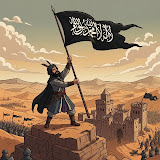
Malanga, a refugee who settled in the U.S. in the 1990s, presented himself as a political leader and met with high-level officials in Washington and the Vatican. However, court records from 2001 reveal a history of various charges, including assault and domestic violence, which were later dismissed. In contrast to his online persona, which included images with prominent U.S. political figures, Malanga’s family mourned his death in their Utah home, feeling heartbroken and raw after learning of his involvement in the coup.
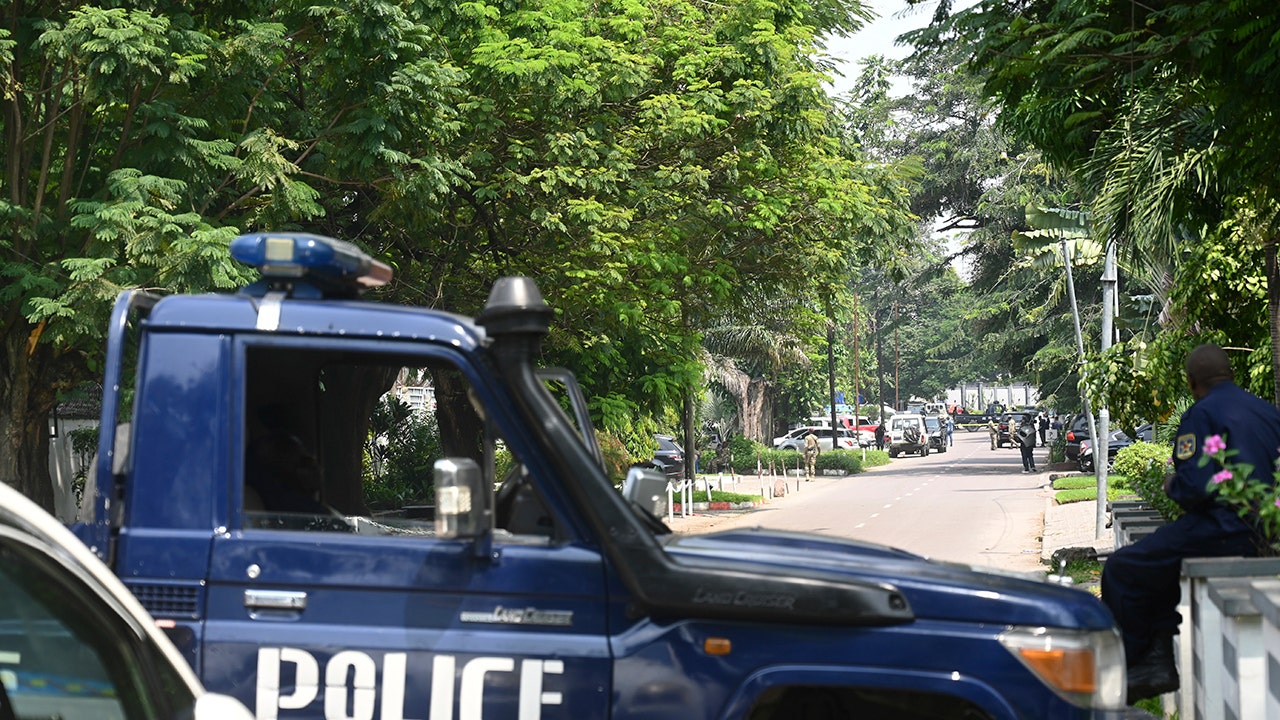
Malanga’s allegiances and motivations for the coup attempt remain unclear, with speculation that he may have been betrayed or set up given the implausible nature of the attack. Alongside Malanga, two other Americans were identified in the attack, one of whom had a criminal history involving drug trafficking charges in the U.S. Limited information was available on the third American involved in the incident, and the U.S. Embassy in Kinshasa expressed awareness of the potential involvement of U.S. citizens in the violence.
The start of the alleged coup attempt began at the residence of a close ally of President Felix Tshisekedi, where attackers were killed by the guards. Meanwhile, Malanga was seen live-streaming video from the presidential palace, surrounded by individuals in military uniforms. It is unclear how the attackers gained access to the palace, with experts finding it highly unlikely that a small group could successfully take over the Congolese state by storming the palace.
Christian Malanga’s aspirations to overthrow the Congolese government through his United Congolese Party movement and New Zaire government in exile were cut short by his death in the foiled coup. The impact of his actions and involvement with individuals like the two American suspects remains a subject of interest and speculation, especially given the unlikelihood of their success in overthrowing the government. The investigation into the violent incident continues, shedding light on the complex web of relationships and motivations behind the failed coup attempt.