





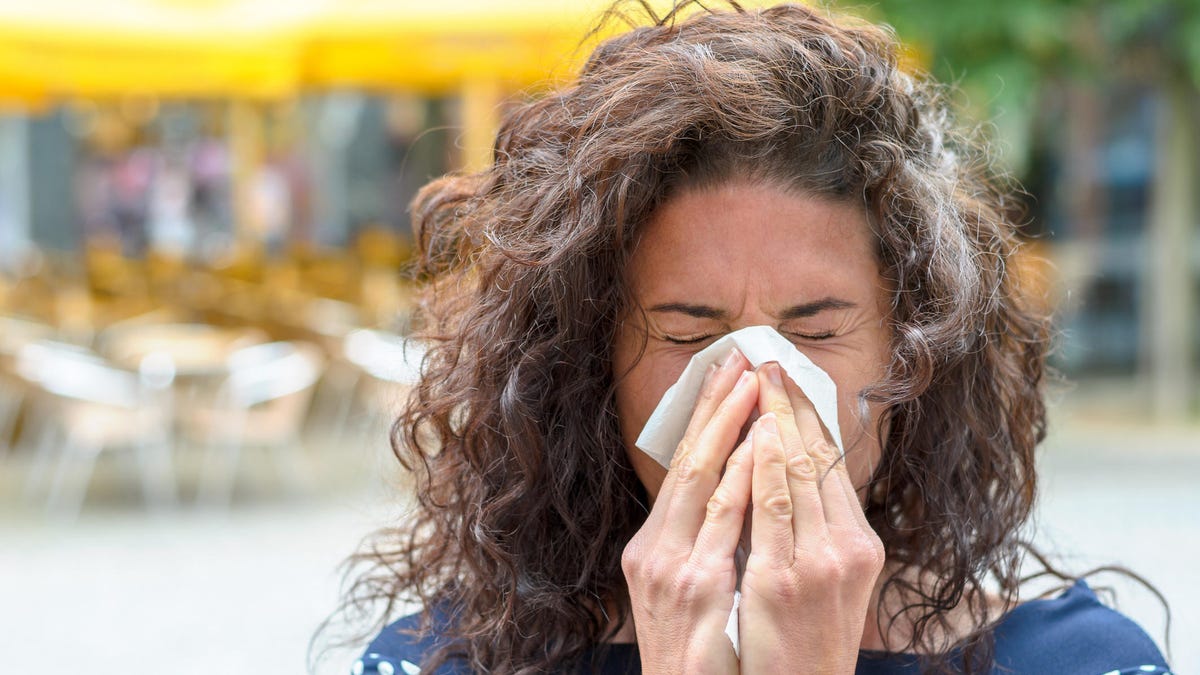
Seasonal allergies are a common problem affecting up to 60 million people in the US each year. These allergies are triggered by pollen and other tiny particles that cause inflammation in the body. Symptoms include sneezing, runny nose, congestion, and itchy, red, or watery eyes. Pollen is often the primary trigger for seasonal allergies, with different types of pollen affecting people depending on where they live.
Common symptoms of seasonal allergies include sneezing, watery or itchy eyes, runny nose, congestion, postnasal drip, itchy throat, and puffy eyelids. These symptoms are usually caused by pollen from trees, grasses, and weeds. Less common symptoms may include wheezing, coughing, a sudden lack of exercise endurance, and a mild headache. It is important to distinguish between allergy symptoms and symptoms of a cold, flu, or COVID-19.
Seasonal allergy symptoms typically occur at the same time each year, with most people experiencing symptoms in the spring and fall. Depending on the allergy triggers, symptoms may arise in any season. Common plants that cause seasonal allergies include tree pollen in the spring, grass pollen in the summer, weed pollen in the fall, and indoor allergens like dust mites, mold, or pet dander in the winter. It is important to identify your allergy triggers in order to effectively manage symptoms.
Treatment for seasonal allergies may involve over-the-counter antihistamines, nasal steroid sprays, or allergy shots prescribed by a doctor. It is also important to avoid allergy triggers by keeping windows closed, using air purifiers, wearing a dust mask during yard work, checking pollen forecasts, and washing clothes, hair, and skin to remove pollen. Taking these precautions can help reduce exposure to allergens and alleviate symptoms.
If you are experiencing symptoms of allergies, it is important to consult with a doctor for proper diagnosis and treatment. By understanding your allergy triggers, practicing preventive measures, and using appropriate medications, you can effectively manage seasonal allergies and enjoy the changing seasons without discomfort. With the right knowledge and strategies, it is possible to find relief from seasonal allergy symptoms and improve your overall quality of life.