






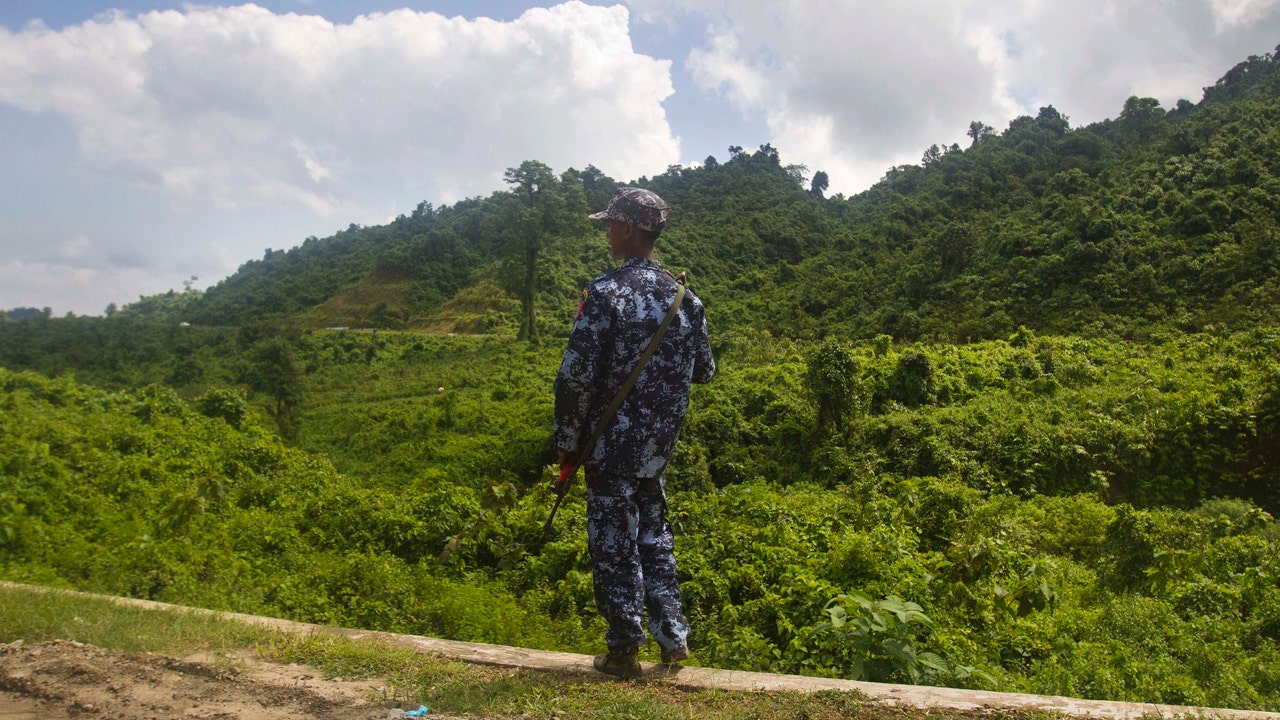
The U.N. human rights office has expressed concern over the new violence in Burma’s Rakhine state, which includes attacks on Rohingya civilians by the military and an ethnic armed group. The violence has resulted in the burning of the town of Buthidaung, air strikes, shootings at unarmed fleeing villagers, beheadings, and disappearances. Tens of thousands of civilians have been displaced, with satellite images, testimonies, and online video indicating extensive destruction in the town of Buthidaung. The conflict poses a risk of a serious expansion of violence as fighting spreads to neighboring areas.
The U.N. has denounced new attacks on Rohingya civilians by Burma’s military and the Arakan Army, the military wing of the Rakhine ethnic minority movement seeking autonomy from the central government. Survivors have reported numerous dead bodies and abuse from the Arakan Army forces. The Arakan Army, through its political arm, has stated that they are providing refuge and care for displaced civilians and are safeguarding them, regardless of race or religion. However, Rohingya activists blame the Arakan Army for most of the destruction currently taking place in the region.
The current violence in Rakhine state is part of a civil war in Burma that began after the military ousted the elected government, resulting in armed resistance against military rule. Pro-democracy fighters, allied with ethnic minority groups fighting for autonomy, are engaged in the conflict with the military forces. The Arakan Army, which had a loose cease-fire with the military government until last October, joined other ethnic armed groups to capture territory in northeastern Burma, leading to further clashes.
The United States has expressed deep concern over the reports of increased violence in Rakhine state and has called on both the military and armed groups to protect civilians and allow humanitarian access. The Rohingya have been the targets of a brutal counterinsurgency campaign in the past, leading to hundreds of thousands fleeing to Bangladesh as their villages were burned down by government troops in 2017. Despite living in Burma for generations, the Rohingya face prejudice from the Buddhist majority and are often denied citizenship and other basic rights.
The conflicts in Rakhine state have led to widespread displacement, loss of life, and destruction of property, with reports of civilian casualties and human rights abuses. The international community, including the U.N. and the United States, has condemned the violence and called for the protection of civilians and humanitarian access to affected areas. The escalation of the conflict poses a significant threat to peace and stability in the region, highlighting the need for a peaceful resolution to the civil war and the protection of the rights of all ethnic groups, including the Rohingya.