




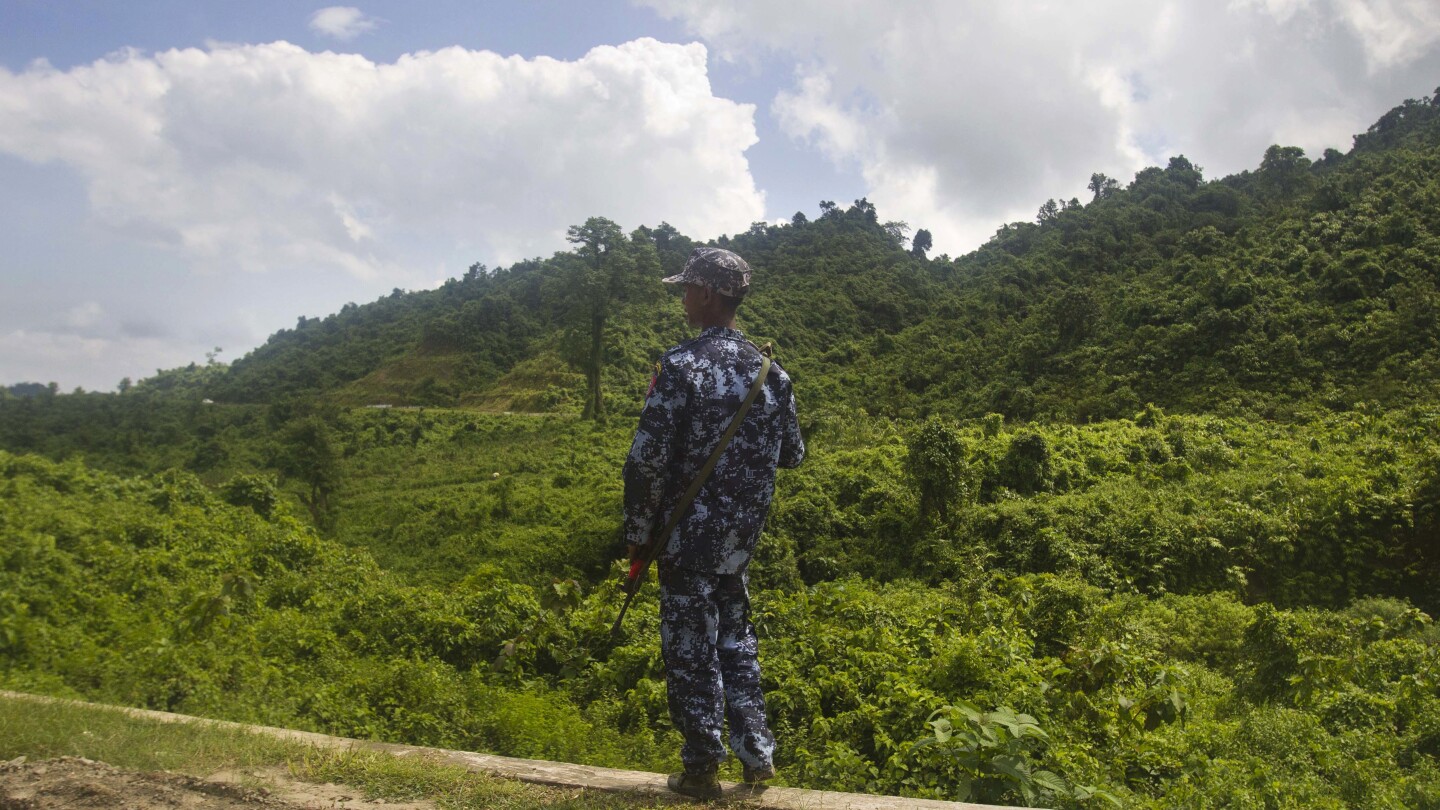
The United Nations human rights office has raised concerns about the recent violence in Myanmar’s Rakhine state, specifically highlighting attacks on Rohingya civilians by both the military and an ethnic armed group. Reports of burning of towns, air strikes, shootings, beheadings, and disappearances have emerged from the northern part of Rakhine, leading to tens of thousands of civilians being displaced. The conflict in Buthidaung and neighboring Maungdaw poses a serious risk of further violence escalation, according to the U.N. spokesperson.
The U.N. High Commissioner for Human Rights’ office denounced the attacks on Rohingya civilians by the Myanmar military and the Arakan Army, the military branch of the Rakhine ethnic movement seeking autonomy. Survivor accounts have described horrific scenes of dead bodies and abuses by the armed groups. While the Arakan Army’s political arm claims to be providing refuge and care for internally displaced persons, Rohingya activists blame the group for causing destruction and harm to their community.
The ongoing violence in Rakhine is part of a larger civil war in Myanmar that erupted after the military coup against Aung San Suu Kyi’s government. Various ethnic minority groups, including the Arakan Army, have been fighting for greater autonomy and opposing military rule. The recent clashes in Rakhine have prompted international concern, with the United States calling on all parties to protect civilians and allow humanitarian access to those in need.
The Rohingya population has been the target of severe persecution in Myanmar, with a brutal campaign forcing hundreds of thousands to flee to Bangladesh in 2017. Despite living in Myanmar for generations, the Rohingya are viewed as illegal migrants by the Buddhist-majority population, including the Rakhine minority. Widespread prejudice and discrimination have led to the denial of citizenship and basic rights for the Rohingya, exacerbating their vulnerability in times of conflict.
The international community’s response to the crisis in Rakhine has been mixed, with varying degrees of condemnation and calls for action to protect civilians. The U.N. human rights office’s warnings about the impact of the violence on Rohingya civilians underscore the urgent need for a peaceful resolution to the conflict and the protection of vulnerable populations. As the situation continues to deteriorate, efforts to address the root causes of the conflict and promote inclusivity and tolerance are essential for achieving lasting peace and stability in Myanmar’s troubled regions.