




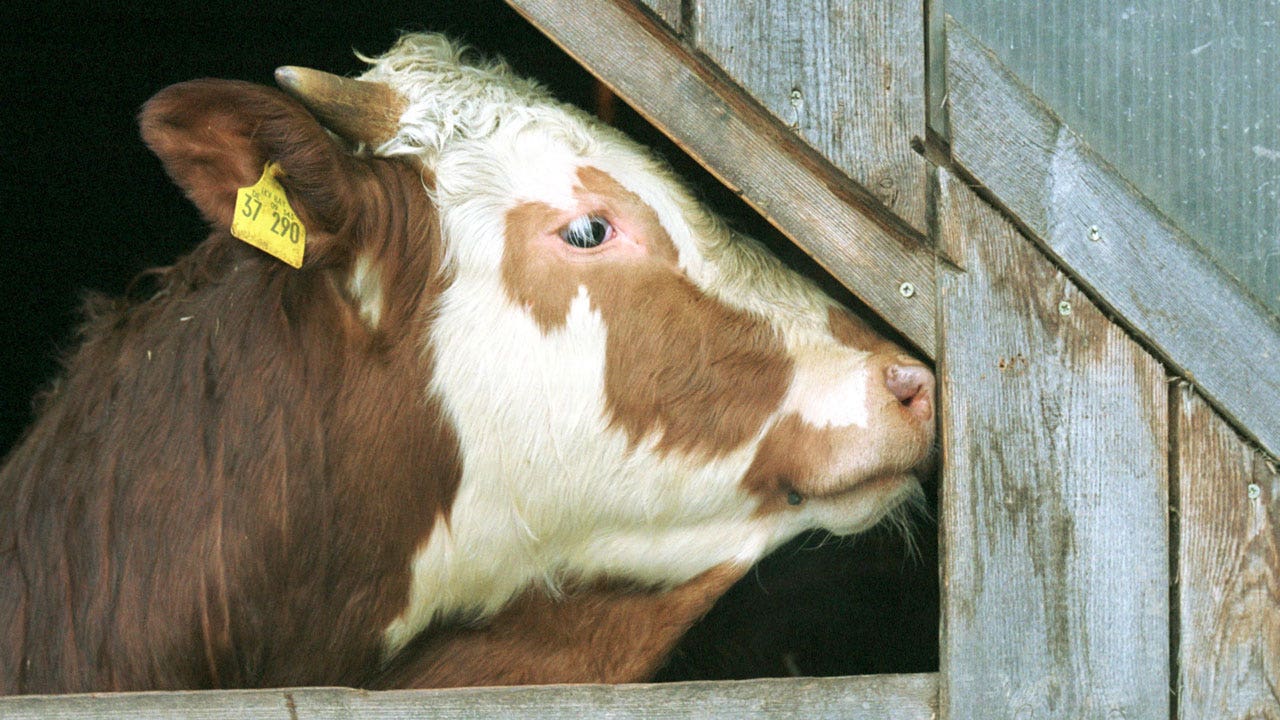
The Scottish government recently confirmed a case of classical bovine spongiform encephalopathy (BSE), also known as mad cow disease, at a farm in the southwest of the country. This marks the first British case of the disease in over two years. Precautionary movement restrictions have been imposed at the affected premises and on animals that have been in contact with the case in Ayrshire. Further investigations are ongoing to identify the origin of the disease at the farm, with the government emphasizing that there is no risk to human health.
Despite the concerning nature of this isolated case of BSE, Chief Veterinary Officer Sheila Voas sought to reassure both farmers and the public that the risk associated with it is minimal. She advised any farmers who may be concerned about the situation to seek veterinary advice. BSE was first detected in Britain in the late 1980s and subsequently spread to other parts of Europe, causing significant damage to cattle herds until the early 2000s. The disease has also been linked to the brain-wasting Creutzfeldt-Jakob disease in humans, highlighting the importance of monitoring and addressing cases of BSE promptly.
In a separate incident in the United States, the Centers for Disease Control and Prevention (CDC) issued a warning after several cats died on a dairy farm in Texas. The felines had consumed raw milk contaminated with avian influenza, also known as bird flu. This incident serves as a reminder of the potential risks associated with consuming unpasteurized dairy products, as they may be a source of harmful pathogens. The CDC’s warning underscores the importance of practicing food safety measures and avoiding raw milk consumption to reduce the risk of exposure to dangerous pathogens.
Both the BSE case in Scotland and the incident involving contaminated raw milk in Texas highlight the importance of vigilance in monitoring and addressing potential threats to animal and human health. The discovery of BSE in Scotland underscores the need for continued surveillance and preventive measures to mitigate the risks associated with the disease. Similarly, the incident with contaminated raw milk in Texas serves as a cautionary tale about the dangers of consuming unpasteurized dairy products, which can pose health risks due to contamination with pathogens such as bird flu.
Government agencies and health officials play a crucial role in responding to and managing potential outbreaks of diseases such as BSE and avian influenza. By working together to swiftly identify and address cases of disease, authorities can help protect both animal and human populations from the risks associated with these pathogens. The incidents in Scotland and Texas serve as important reminders of the importance of ongoing surveillance, prevention, and response efforts to safeguard public health and prevent the spread of infectious diseases among animals and humans. Collaboration among veterinary and public health agencies is essential to effectively manage and control outbreaks, ensuring the safety and well-being of both animals and humans.