




The United States accused Russia of launching a satellite that could be used to weaponize space, a concern that has been debated at the United Nations Security Council. Russia drafted a resolution discussing all types of weapons in space, while the U.S. and Japan focused on weapons of mass destruction. Despite various nations agreeing that weapons should be banned from space, the council failed to pass a measure due to an even split in votes.
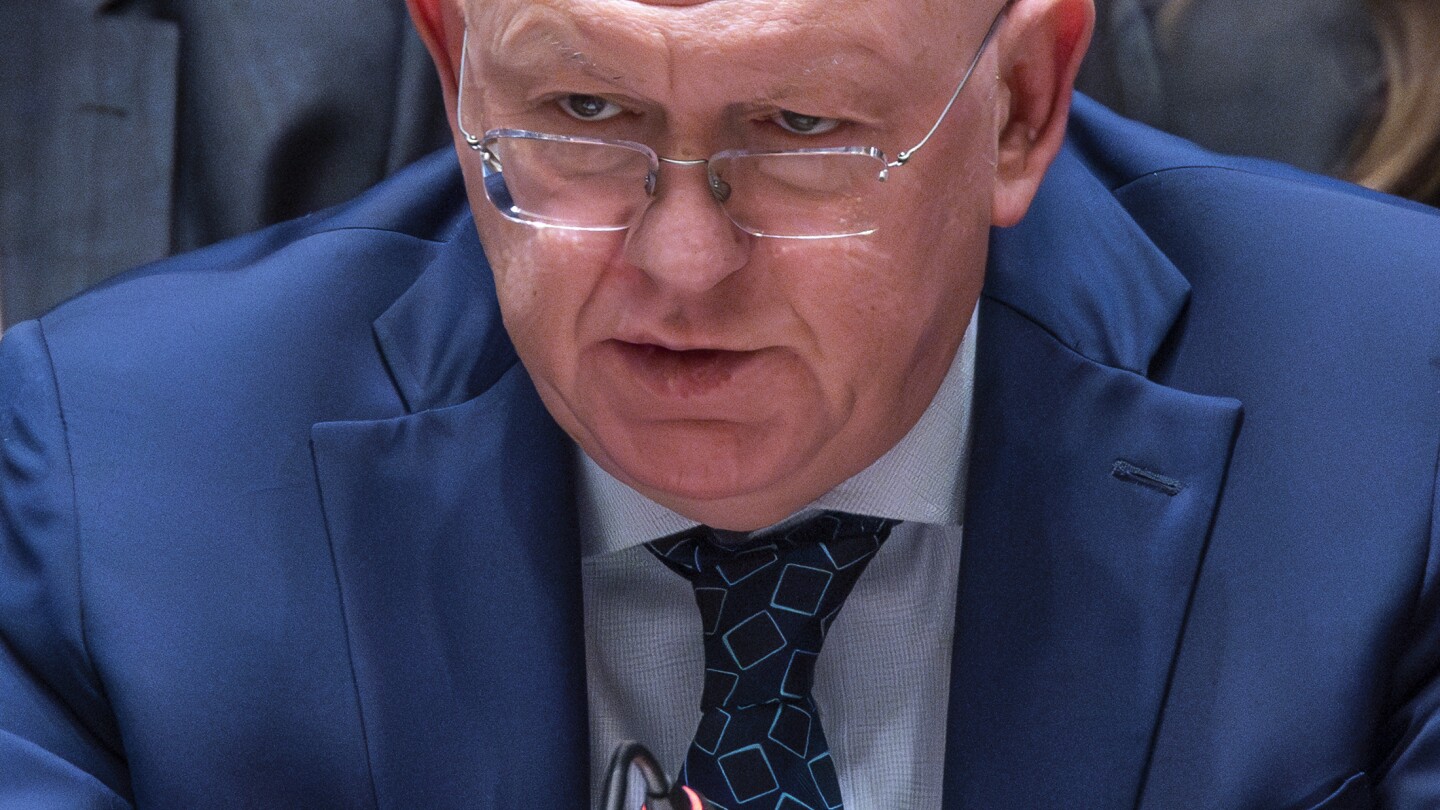
Russia’s U.N. ambassador denied misleading the world, stating that failure to support their draft resolution would show Western nations prioritizing their own freedom of militarizing outer space. There is a lack of constructive dialogue among leading space powers, with a focus on scoring points off adversaries rather than finding common ground. The failure to pass a resolution highlights the negative and squabbling attitude present among nations regarding space weaponization.
Since the Soviet Union and the United States signed a treaty in 1967 declaring outer space a global commons for peaceful purposes, nations have been concerned about potential attacks from space. The reliance on space-based assets for communication, reconnaissance, and other functions makes the regulation of space weapons crucial. With a growing number of nations and private companies involved in space activities, any conflict in space could have detrimental effects on vital systems that millions depend on.
The United States has obtained intelligence on Russian anti-satellite weapons, although the capability is not yet operational. This information has been shared with high-level government officials, indicating the ongoing concern about potential threats in space. As more nations develop space capabilities and assets, the need to prevent the weaponization of space becomes increasingly important to ensure safe and secure operations for all stakeholders. The failure to pass a resolution at the Security Council reflects the challenges in addressing this complex issue at the international level.