




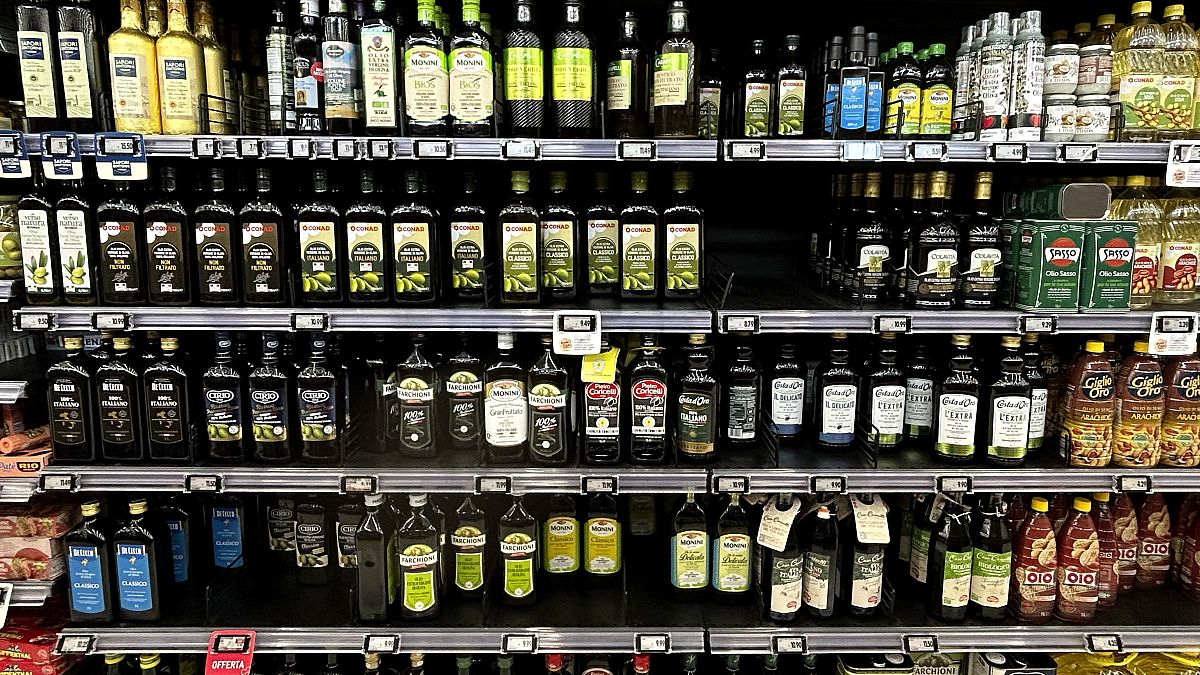
Donald Trump has announced plans to impose a general tariff of up to 20% on imported goods, with sectors like machinery, vehicles, and chemicals expected to be hit the hardest. Spain is particularly concerned about the impact on its olive oil industry, as the US is the top destination for Spanish olives, accounting for up to 35% of total exports. Trump’s previous administration imposed high import taxes on Spanish olive oil in 2017, triggering a major crisis in the sector. Spain, the world’s leading producer and exporter of olive oil, sent 70,000 tonnes to the US in the first half of 2024, giving Spain a significant market share. Despite a legal battle at the World Trade Organization, the tariffs were eventually removed, but uncertainties remain with Joe Biden maintaining a 25% tax on Spanish olive oil.
The prospect of US tariffs brings back troubling memories for Spain, reigniting the long-standing struggle between the two countries over olive oil exports. A blanket tariff of 10% or 20% would make it more expensive for US companies to import goods, potentially causing European exports to drop by up to a third in some sectors. Trump’s previous tariffs on Spanish olives in 2017 were imposed due to harm caused to American producers by EU subsidies directed at Spanish olive producers through the Common Agricultural Policy. These tariffs had a significant impact on Spanish olive oil imports to the US, which dropped from $67 million in 2017 to just $20 million in 2022, according to the European Commission. The EU challenged these measures at the World Trade Organization, resulting in a legal battle that ended in the eventual removal of the tariffs.
Spain, as the world’s leading producer and exporter of olive oil, is highly dependent on exports to the US, making the impact of potential tariffs a significant concern for the country. With the US being the top destination for Spanish olives, any increase in tariffs could have a detrimental effect on Spain’s olive oil sector. Former President Donald Trump imposed tariffs on Spanish olives in 2017, citing harm caused to American producers by EU subsidies. This led to anti-subsidy and anti-dumping duties of between 30% and 44% being imposed on Spanish black olives, affecting Spain exclusively and not its competitors like Greece, Italy, and Portugal. Despite legal challenges and eventual removal of the tariffs, uncertainties remain with the current 25% tax on Spanish olive oil maintained by Joe Biden.
The US tariffs on Spanish olives in 2017 had a significant impact on the country’s olive oil exports to the US, with a drastic drop in value from $67 million in 2017 to just $20 million in 2022. This decline in exports was a major blow to Spain, as the US is a key market for its olive oil industry. The EU challenged the US measures at the World Trade Organization, resulting in a legal battle that lasted over four years and ultimately led to the removal of the tariffs. However, uncertainties remain with Joe Biden maintaining a 25% tax on Spanish olive oil, raising concerns for the future of Spain’s olive oil exports to the US.
The potential imposition of a blanket tariff on European imports by the US is a cause for concern for Spain, particularly for its olive oil industry. Spain, as the world’s leading producer and exporter of olive oil, is heavily dependent on exports to the US, which accounted for up to 35% of total exports. Previous tariffs imposed by the Trump administration had a significant impact on Spanish olive oil imports to the US, leading to a legal battle that ended in the removal of the tariffs. However, uncertainties persist with the current 25% tax on Spanish olive oil maintained by Joe Biden, raising questions about the future of Spain’s olive oil exports to the US.