




The content discusses the harrowing experiences of survivors of the Rwandan genocide, which took place over 100 days in 1994 and resulted in the deaths of around 800,000 people, mostly ethnic Tutsis. Florence Mukantaganda narrates how she lost her husband and eight other family members during the genocide, recalling the horrific events that unfolded as militiamen rampaged through the streets, killing indiscriminately. The pain and trauma of those days continue to haunt survivors, who recount stories of unimaginable violence and loss.
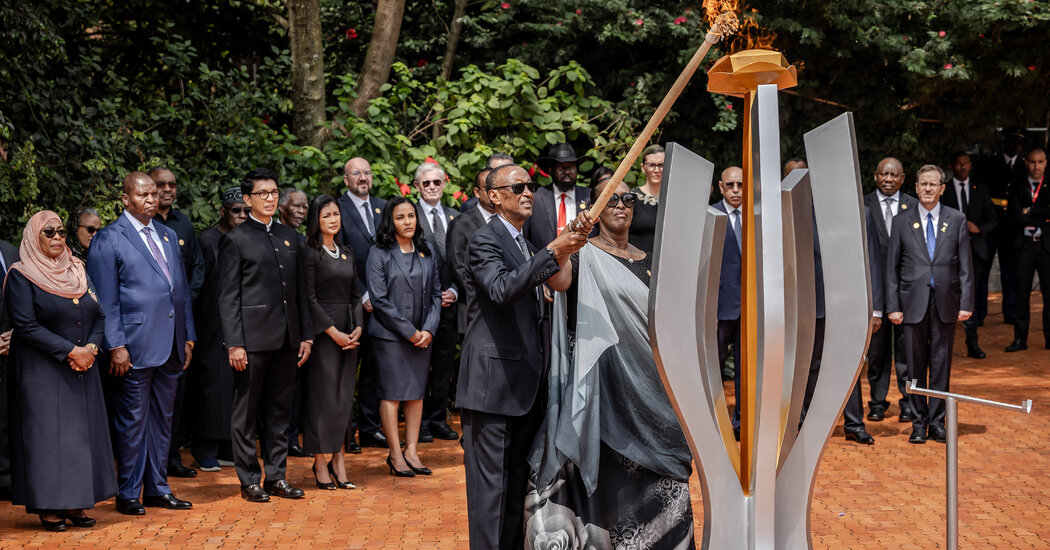
As Rwanda prepares to mark the 30th anniversary of the genocide, world leaders, including former U.S. President Bill Clinton and French President Emmanuel Macron, are expected to acknowledge their countries’ failures to prevent the bloodshed. The commemoration event in Kigali will honor the victims with activities such as lighting a remembrance flame, a walk, a night vigil, and a wreath-laying ceremony at the Kigali Genocide Memorial, where the remains of over 250,000 victims are interred. The event seeks to keep the memory of the genocide alive and ensure that such atrocities are never repeated.
The content highlights the transformation of Rwanda since the genocide, under the leadership of President Paul Kagame, who has steered the country towards economic growth and development. Despite the progress, Kagame’s government has faced criticism for its authoritarian tendencies, restrictions on opposition, and alleged involvement in conflicts in neighboring countries. The Rwandan Patriotic Front, led by Kagame, put an end to the genocide in 1994, but questions remain about the methods used and the human rights abuses committed by Rwandan forces during and after the conflict.
The commemoration event in Kigali is also a testament to the resilience and humanity of those who risked their lives to save others during the genocide. Mariane Mukaneza recounts how an ethnic Hutu man, Yussuf Ntamuhanga, sheltered her and helped her escape to safety. Ntamuhanga, a Muslim, was part of a larger community of Rwandan Muslims who played a crucial role in protecting and sheltering those targeted during the genocide. Their acts of kindness and solidarity offer a glimmer of hope amid the darkness of the genocide, demonstrating that humanity can triumph over hate and violence.
For survivors like Florence Mukantaganda, the journey towards healing is ongoing, as they grapple with the memories and trauma of the genocide. Reminders of the atrocities, such as places in town or the sound of rain falling, evoke painful memories of the past. Despite the challenges, Mukantaganda remains determined to learn how to forgive and move forward, seeking solace in the support of her community and the stories of courage and compassion that emerged during the darkest days of Rwanda’s history. The legacy of the genocide continues to shape the nation and its people, serving as a reminder of the importance of remembrance, justice, and reconciliation.