





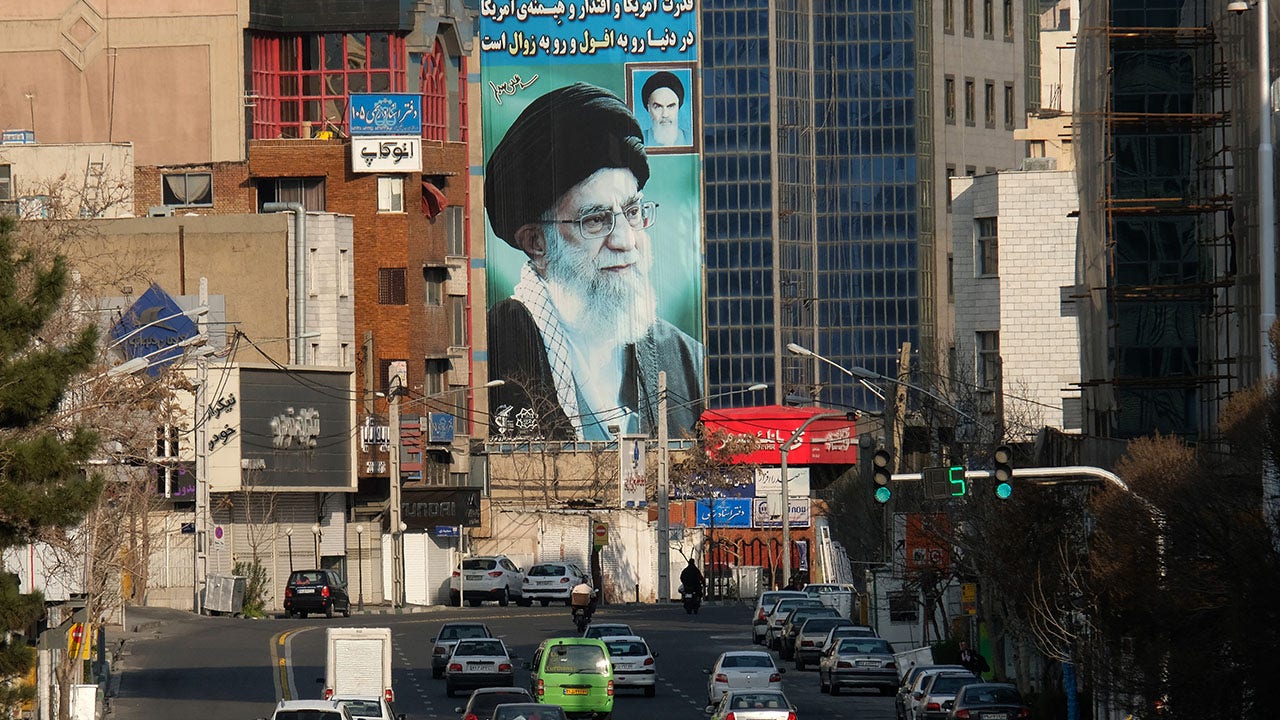
The Islamic Republic of Iran is using artificial intelligence (AI) to crack down on its populace, particularly impacting the freedoms of Iranian women. The regime is utilizing various technologies such as facial recognition, CCTV, cell phone analysis, traffic geolocation, and internet monitoring to enhance its cyber crackdown on street protesters and women who do not adhere to hijab laws. The forthcoming Hijab and Chastity Bill, awaiting ratification by the regime’s Guardian Council, will also make use of AI tools to identify and punish those who violate the legislation.
Article 30 of the Hijab and Chastity Bill mandates the police to use intelligent systems to identify perpetrators of illegal behavior through fixed and mobile cameras. Non-compliant individuals, particularly women who fail to cover their hair properly, face fines, social exclusion, imprisonment for up to 10 years, and other severe consequences. The bill allows authorities to target women’s homes, cars, bank accounts, and livelihoods through lawfare and economic warfare. U.N. experts have denounced the bill, stating that it amounts to gender persecution and gender apartheid, aimed at suppressing women into total submission.
Iran has been preparing for increased AI use long before the passage of the Hijab and Chastity Bill, installing new cameras throughout the country and increasing pressures on women. The Iranian police have sent warning messages to women captured unveiled in their cars, immobilized vehicles, confiscated cars, and referred offenders to the judiciary. Testimony indicates that confiscation orders were based on surveillance camera images or reports from plainclothes agents. Some women have been sentenced to prison, flogging, fines, or moral classes for non-compliance. Amnesty International has reported on the arbitrary confiscation of hundreds of thousands of vehicles due to improper covering of those inside.
There is evidence suggesting that the regime used AI during the 2022 protests following the death of Mahsa Amini at the hands of morality police for not wearing her hijab properly. The U.S. has accelerated its timeline for blocking exports of AI chips to countries like China, Iran, and Russia to limit their access to advanced AI capabilities. Behnam Ben Taleblu recommends additional measures to control access to technology that could strengthen Iran’s digital repression, such as increasing export controls and closely monitoring Chinese tech initiatives in Iran. Overall, the regime is utilizing AI and technology to bolster its repressive apparatus and impose its will on the population, rather than promoting freedom and connectivity.
In conclusion, the Islamic Republic of Iran’s use of AI to crack down on its populace, particularly targeting women’s freedoms, is a concerning development. The regime’s use of various AI tools like facial recognition, CCTV, and internet monitoring, combined with the forthcoming Hijab and Chastity Bill, allows authorities to punish non-compliant individuals severely. Increased pressures on Iranian women, arbitrary confiscation of vehicles, and looming imprisonment for violations paint a grim picture of AI’s role in enhancing the regime’s repression. International efforts to control access to advanced AI capabilities and scrutinize tech exports to Iran are necessary steps to curb the regime’s abuse of technology for oppressive purposes.