




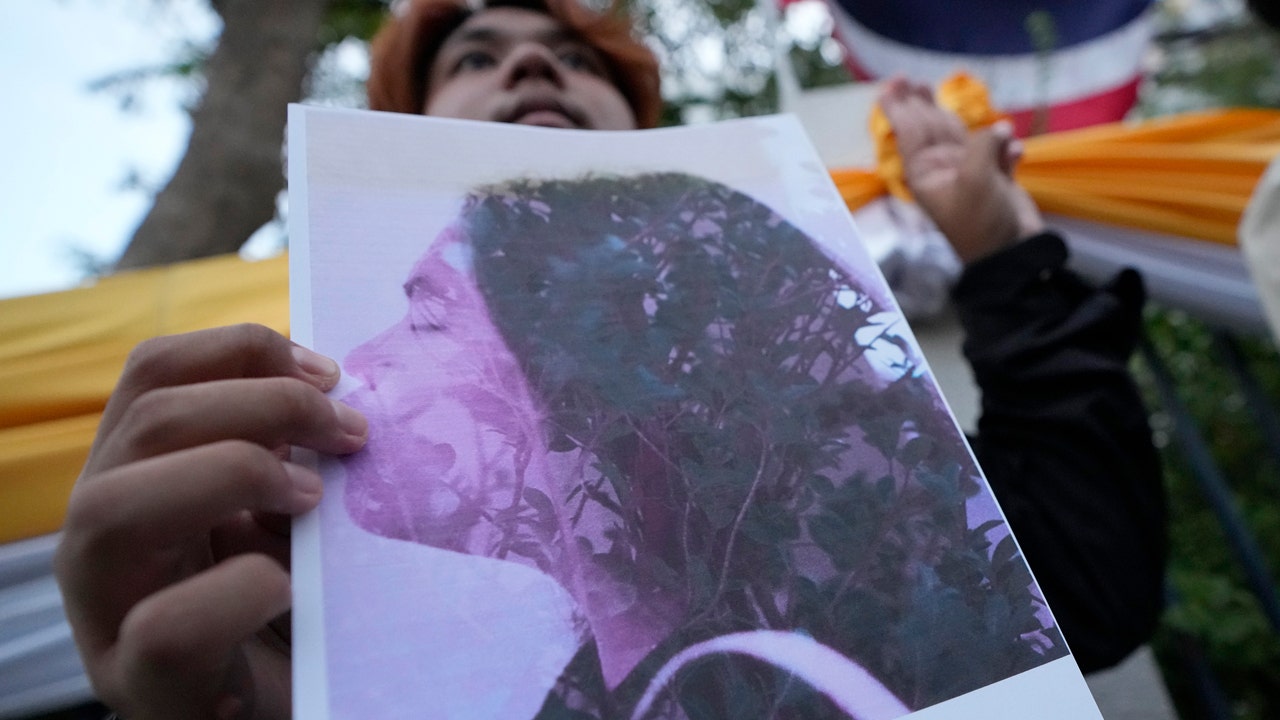
Netiporn “Bung” Sanesangkhom, a 28-year-old activist from Thailand, died while in detention following a monthslong hunger strike. She was being held at Bangkok’s Central Women’s Correctional Institution on charges related to defaming the monarchy. Prime Minister Srettha Thavisin expressed his condolences to the family and ordered an investigation into her death. Netiporn was a member of the activist group Thaluwang, which advocates for reform of the monarchy and the elimination of laws that restrict speech about the royal family.
Officials from the Corrections Department stated that while Netiporn had resumed eating following her hunger strike, she refused other supplements that could aid in her recovery. An autopsy was conducted to determine the cause of death, with initial results expected to be released soon. Netiporn was one of over 270 activists charged under Thailand’s strict laws concerning the defamation of the royal family. Critics argue that these laws are often used to silence political opposition and restrict freedom of expression.
The death of Netiporn has reignited the debate about Thailand’s justice system, particularly in relation to the treatment of political prisoners. The student-led pro-democracy protests in 2020 challenged the long-standing taboo of criticizing the monarchy, leading to increased prosecutions under these laws. Activists like Netiporn have been repeatedly detained and denied bail, sparking outrage over the violation of their rights. Calls for the release of political prisoners and reforms to Article 112, the law that criminalizes defamation of the royal family, have been ongoing.
Panusaya “Rung” Sitthijirawattanakul, another activist facing lese majeste charges, expressed disappointment in the government for not following through on promises to release political prisoners and amend the laws regarding defamation of the royal family. The U.N.’s human rights office in Southeast Asia called for a transparent investigation into Netiporn’s death and emphasized the importance of freedom of expression and peaceful assembly. Activists and human rights advocates are urging the government to address systemic issues in the justice system before seeking a seat on the U.N. Human Rights Council.
The death of Netiporn has brought renewed attention to the challenges faced by political activists in Thailand, particularly those advocating for reforms to the monarchy and freedom of speech laws. The activist group Thaluwang, to which Netiporn belonged, continues to push for change despite the risks involved. The Thai government has faced criticism for its handling of political prisoners and the use of restrictive laws to suppress dissent. Netiporn’s funeral service will be held in Bangkok, where supporters and activists are expected to pay their respects and continue their calls for justice and reform. The legacy of Netiporn and other activists who have faced persecution in Thailand will likely inspire continued activism and advocacy for human rights in the country.