




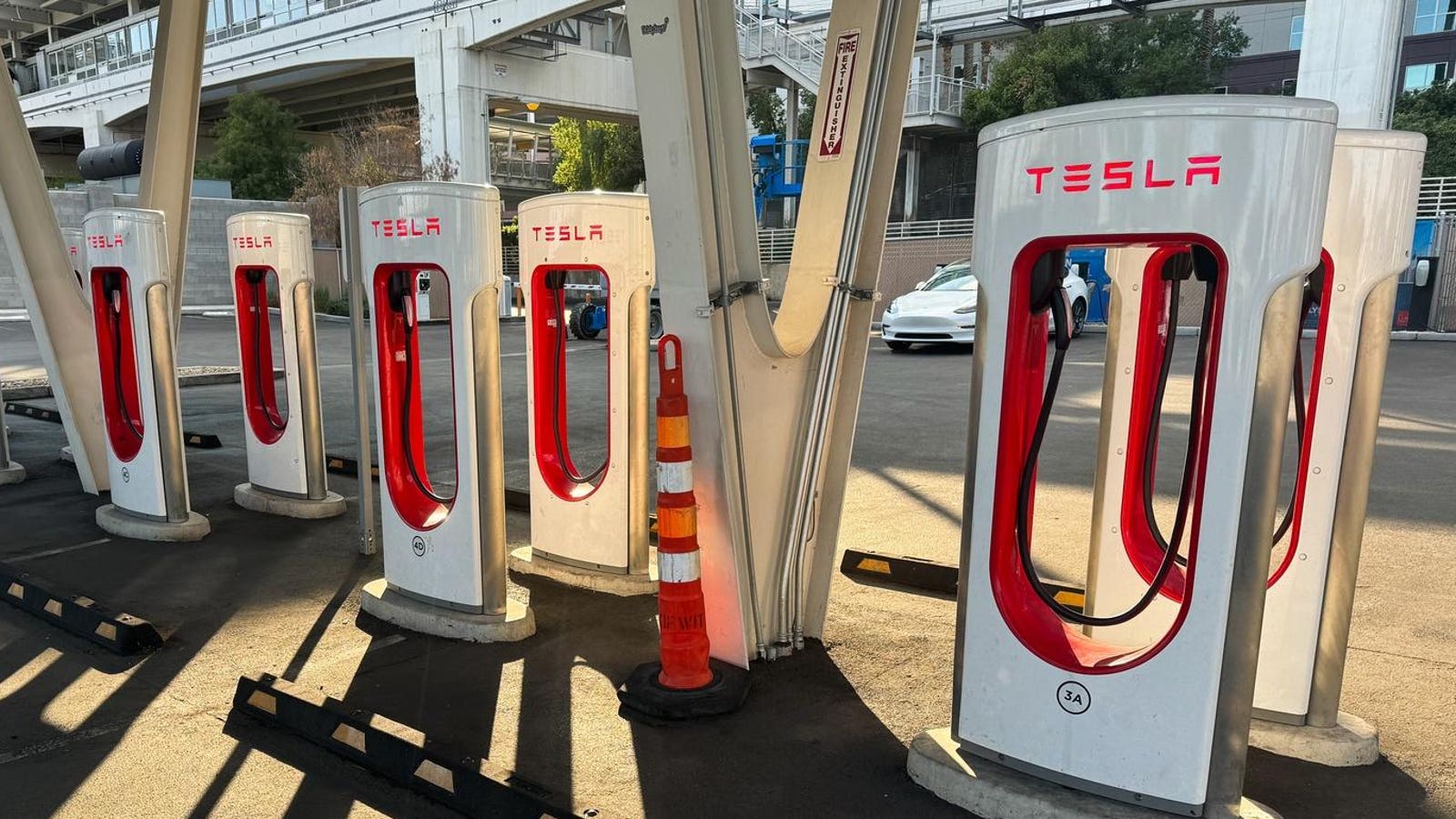
Tesla disappointed investors with its first-quarter vehicle delivery report, announcing that it had delivered about 387,000 vehicles in the first three months of the year. This number fell far short of analyst expectations of 457,000 vehicles, marking a 9% decline compared to the same period in 2023. This is the first time Tesla has seen negative year-over-year growth since the second quarter of 2020, during the height of the COVID-19 pandemic. The company attributed some of the decline to supply chain issues, including the impact of an arson attack on its Berlin factory last month.
Analysts now anticipate that 2024 will be Tesla’s weakest year of growth since at least 2012, when the company released the Model S. The consensus delivery forecast for the year is two million cars, representing just 11% growth year-over-year. This is a significant drop from Tesla’s previous low mark for annual delivery growth. As a result of the disappointing delivery numbers, Tesla’s stock price dropped by about 6% in morning trading, bringing its year-to-date loss to 34%.
Investors will be closely watching Tesla’s first-quarter earnings report, scheduled for April 23, to see how the weak delivery numbers are reflected in the company’s financials. Analysts project that Tesla will report 4% annual growth in revenue but a 29% decline in profit. Tesla CEO Elon Musk has acknowledged that the company is currently in between two major growth waves, indicating that the challenges faced by Tesla may be a temporary setback as it transitions into a new phase of growth.
Tesla’s struggles to maintain its rapid pace of growth in vehicle deliveries and financial performance are indicative of the challenges faced by a company moving into its next phase of development. The company’s market capitalization has declined significantly from its peak in late 2021, and its stock performance has been lackluster, making it the worst-performing stock on the S&P 500 in the first quarter. Factors such as slowing EV demand and increased competition in China have contributed to Tesla’s decline in vehicle deliveries, according to analysts.
Overall, Tesla’s first-quarter delivery report has disappointed investors and raised concerns about the company’s growth prospects for the rest of the year. As Tesla navigates supply chain challenges and increasing competition in the electric vehicle market, analysts will be closely monitoring its financial performance and delivery numbers to assess the company’s ability to sustain its long-term growth trajectory.