



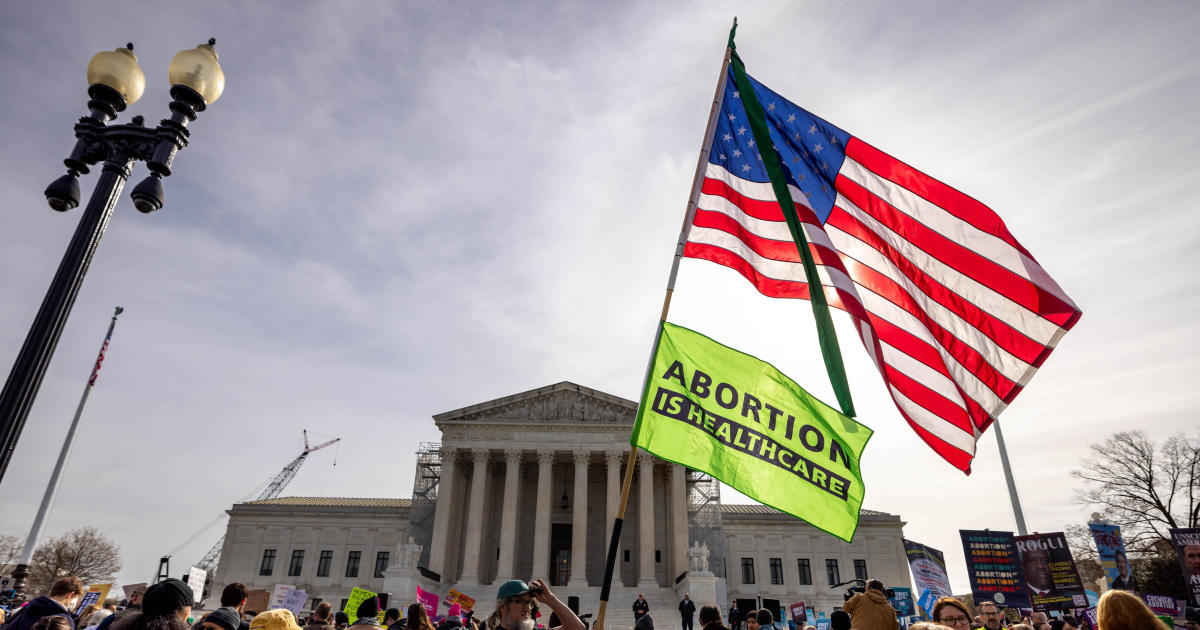
The Supreme Court is poised to hear a case involving Idaho’s near-total ban on abortion and the Emergency Medical Treatment and Labor Act (EMTALA), which requires Medicare-participating hospitals to provide necessary stabilizing treatment, including emergency abortion care. The Biden administration argues that the Idaho law is unconstitutional and preempted by EMTALA. Doctors in Idaho have expressed concerns about being in an impossible position where they risk criminal charges for providing necessary medical care to pregnant patients.
Physicians in Idaho are grappling with the challenges of Idaho’s abortion ban and EMTALA requirements, with some feeling forced to comply with a restrictive law that goes against medical ethics. The implications of the case extend to other states with similar abortion restrictions. Idaho’s situation demonstrates the complexity of navigating state laws that limit abortion access, particularly in emergency medical situations where timely care is critical.
The dispute over Idaho’s abortion ban and EMTALA highlights the conflict between state laws criminalizing abortion and federal requirements for hospitals to provide necessary treatment. While the instances where EMTALA and the Idaho abortion ban are at odds may be rare, the implications can have a significant impact on pregnant patients seeking emergency care. The Supreme Court’s decision in this case could determine whether state laws prohibiting most abortions conflict with federal requirements for emergency medical care.
The fallout from reversing Roe v. Wade has created confusion and challenges for physicians, particularly in states like Idaho with restrictive abortion laws. The fear of criminal charges has driven medical providers to leave the state, putting a strain on the healthcare system and limiting access to critical services. The uncertainty surrounding abortion laws in Idaho is leading to negative health outcomes and putting pregnant patients in jeopardy.
Physicians in Idaho are facing difficult decisions when providing care to pregnant patients with emergency medical conditions due to the conflict between state abortion laws and federal requirements. The lack of clarity and fear of criminal penalties are affecting the recruitment and retention of OB-GYNs in the state, ultimately impacting women’s healthcare access. The case before the Supreme Court has broader implications for reproductive rights and access to emergency medical care across the country.
The legal battle in Idaho underscores the challenges faced by providers in navigating restrictive abortion laws and federal regulations. The complex interplay between state and federal laws in the context of emergency medical care highlights the need for clarity and consistency in healthcare policy. The outcome of the Supreme Court case will have significant implications for abortion access and medical ethics, as well as the future of reproductive healthcare in the United States.