




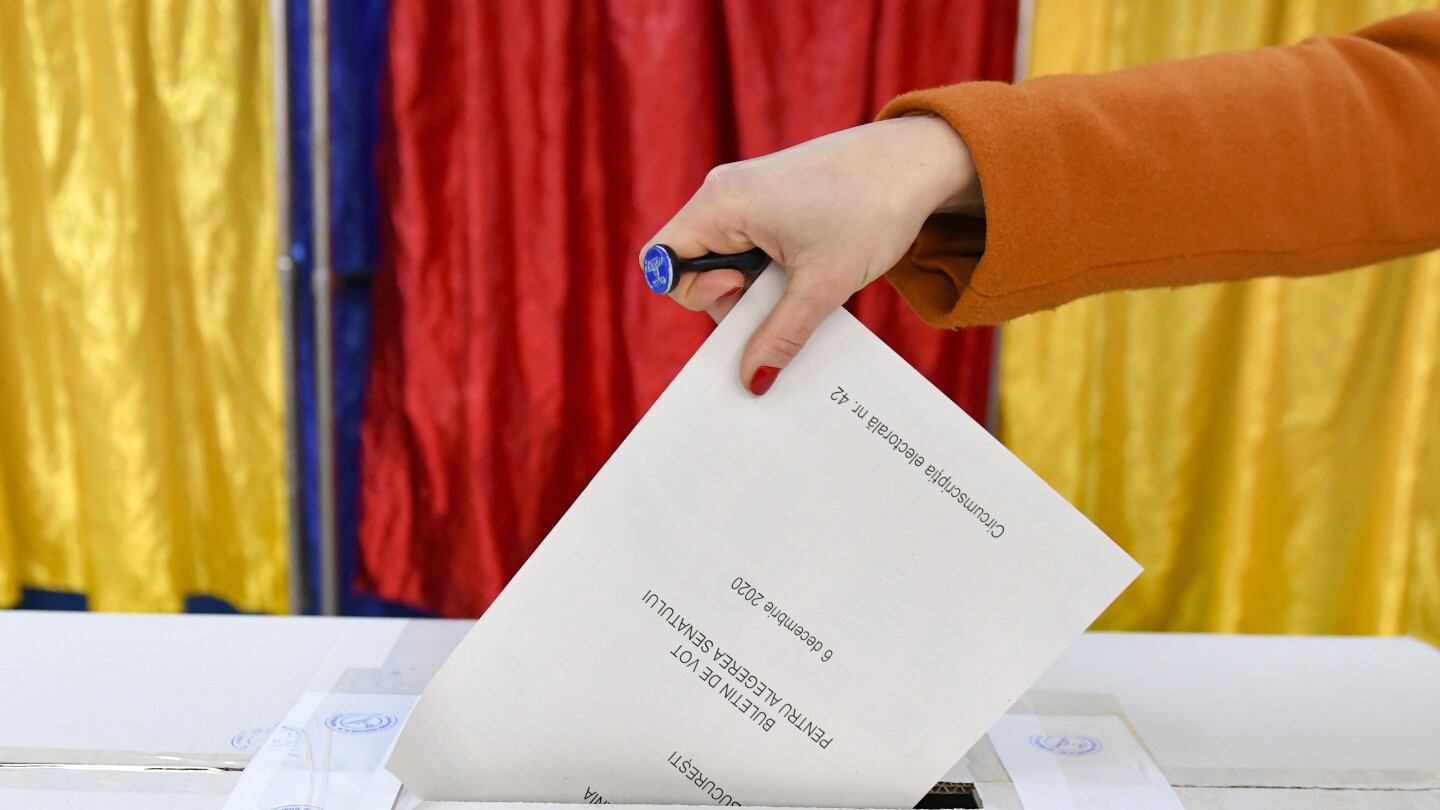
A recent study conducted by the International Institute for Democracy and Electoral Assistance (International IDEA) has revealed that voters in 19 countries, including Brazil, India, and the United States, are skeptical about the fairness of their political elections. The study found that many people in these countries also favor a strong, undemocratic leader. The organization concluded that democratic institutions are falling short of people’s expectations and emphasized the need to prioritize people’s perceptions in discussions about the future of democracy.
According to the report, over 50 countries are set to hold elections in 2024, making it crucial to address concerns about electoral credibility and governance. In 17 countries surveyed, fewer than half of the people expressed satisfaction with their governments, highlighting a widespread discontent with the current political landscape. Additionally, the study noted that in eight countries, there is a higher level of support for a strong leader who does not have to bother with parliamentary or electoral processes.
Only four countries surveyed reported that a majority of their population believes they are doing better economically compared to their parents. In many countries, minorities are more doubtful about the credibility of elections, indicating a lack of trust in the democratic process. Interestingly, the study found that the poorest populations in countries like Brazil, Colombia, Romania, and Sierra Leone are more likely to approve of their government’s performance than the rest of the population, highlighting disparities in perception based on socio-economic factors.
When it comes to the judicial system, the study revealed that in 18 countries, fewer than half of the people believe that courts provide equal access to justice. Iraqis showed more faith in their judicial system compared to Americans, with Denmark being the only country where a majority believes courts offer equal access to justice. The surveys conducted by YouGov and GeoPoll in countries like Italy, Lebanon, South Korea, and Tanzania aimed to identify differences in attitudes towards democracy among various groups within the population.
The International IDEA report serves as a wake-up call for governments and policymakers to address growing concerns about the effectiveness of democratic institutions and electoral processes. It underscores the importance of gauging public perception and addressing issues that erode trust in the political system. By prioritizing people’s perceptions and attitudes towards democracy, countries can work towards building more resilient and inclusive democratic societies that reflect the values and aspirations of their citizens.
The findings of the study highlight the need for greater transparency, accountability, and inclusivity in political processes to restore faith in democratic institutions. By addressing issues related to electoral credibility, governance, and access to justice, countries can strengthen their democratic foundations and ensure that citizens have confidence in the political system. The report ultimately calls for a renewed focus on centering people’s perceptions in conversations about the future of democracy and promoting a more responsive and accountable governance system.