




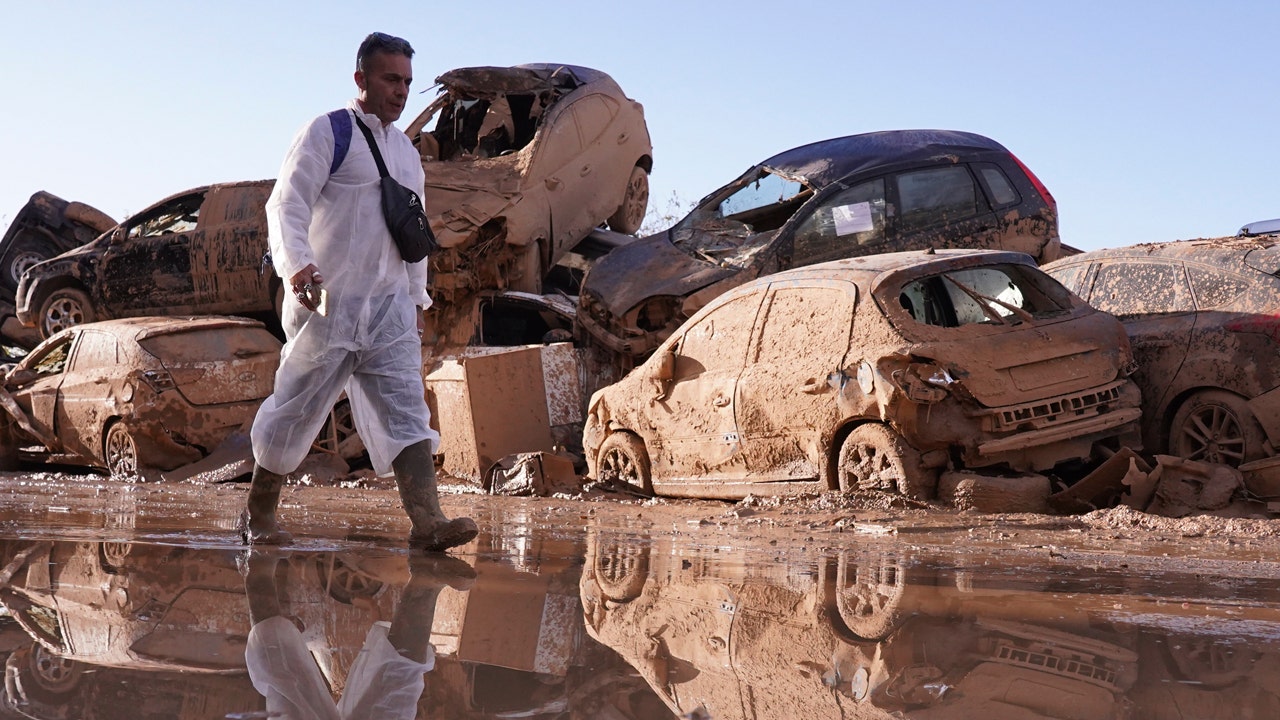
New storms hit Spain two weeks after devastating flash floods in Valencia, leading to school closures and train cancellations. Coastal areas of Valencia were placed under the highest alert with up to 7 inches of rain predicted in five hours. Cleanup efforts were ongoing in areas impacted by the previous storm, raising concerns about further damage from the new rainfall. In southern Malaga province, streets were flooded, and 3,000 people were evacuated near the Guadalhorce river as a precaution. Train service was canceled in several areas, and private vehicle use was restricted in parts of Valencia.
Despite the severity of the storms, there were no reported deaths, but the situation remained precarious. Malaga was put on red alert with significant rainfall in a short period, leading to the closure of schools and stores. The Billie Jean King Cup tennis finals between Spain and Poland were delayed due to the storm conditions. Parts of Tarragona province also faced heavy rainfall and remained under red alert, highlighting the widespread impact of the storm system across Spain. The weather phenomenon was attributed to warm air colliding with stagnant cold air, generating powerful rain clouds.
The intensity of the storms in Spain has been linked to climate change, with experts warning of increasing drought and flood cycles. The vulnerability of coastal regions and urban areas to extreme weather events underscores the need for improved preparedness and resilience measures. The destruction caused by the flash floods in Valencia and the subsequent storms serves as a sobering reminder of the impacts of climate change on communities. The combination of infrastructure damage, displacement of residents, and disruption of essential services highlights the urgent need for proactive measures to mitigate future disasters.
The Spanish weather forecaster AEMET issued red alerts in various regions, emphasizing the severity of the storm system. The measures taken by local authorities, such as evacuations and school closures, aimed to safeguard the population from potential risks. The coordination of response efforts and communication with residents will be crucial in managing the aftermath of the storms and facilitating recovery. As extreme weather events become more frequent and severe, building adaptive capacity and enhancing early warning systems will be key priorities for ensuring the safety and well-being of communities.
The impact of the storms was felt across different regions of Spain, with transportation services disrupted and thousands of people affected. The resilience of communities in the face of natural disasters is being put to the test, and the need for collaborative action at the local, national, and international levels is evident. Addressing the root causes of climate change and implementing sustainable practices are essential for mitigating the risks associated with extreme weather events. The recent storms in Spain serve as a wake-up call for governments, businesses, and individuals to take decisive action in combating climate change and ensuring the long-term sustainability and security of our planet.