




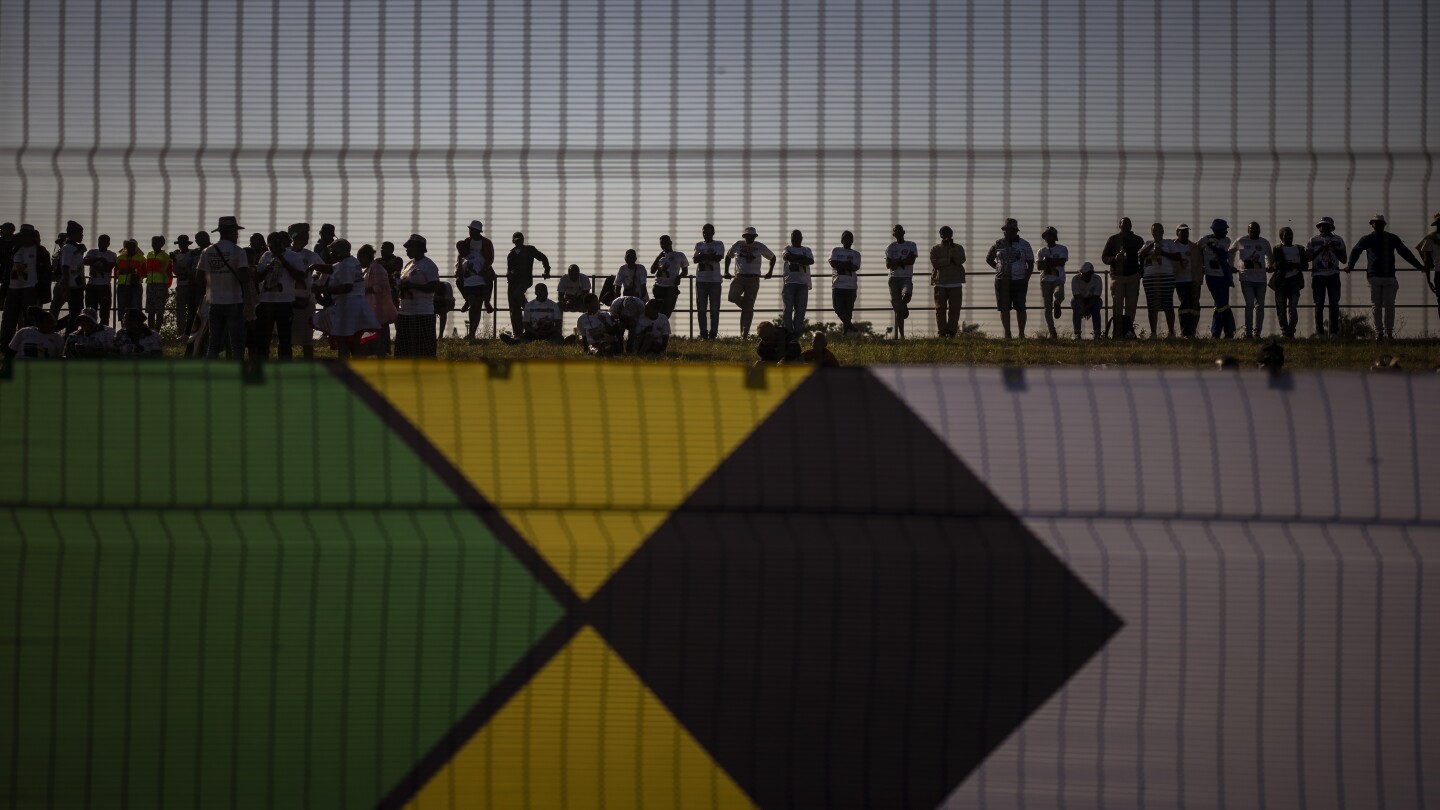
The upcoming election in South Africa will determine the future of the ruling African National Congress (ANC), which has been in power since the end of apartheid 30 years ago. President Cyril Ramaphosa and the ANC are fighting to maintain their parliamentary majority, with polls showing their support below 50%. While the ANC is still expected to gain the most votes, they may need to form a coalition government to stay in power, which could bring new challenges for the country.
South Africans will vote for parties in Parliament, which will then elect the president. This election may see the ANC needing to collaborate with other parties to secure enough votes to reelect Ramaphosa. The main election day is Wednesday, and results are expected within days. Nearly 28 million registered voters will participate in the country’s seventh fully democratic national election since the end of apartheid.
There are over 50 political parties running in the election, with the ANC, Democratic Alliance (DA), and Economic Freedom Fighters (EFF) being the main contenders. While the DA and EFF have not significantly increased in popularity, smaller parties have gained some traction. Former President Jacob Zuma’s new party, MK Party, has attracted attention but Zuma himself has been disqualified from standing as a candidate.
Unemployment, poverty, violent crime, government corruption, and energy crisis are among the key issues driving discontent among voters in South Africa. Despite being Africa’s most advanced economy, the country has a high unemployment rate of 32%, with over half of the population living in poverty. The ANC’s failure to address these issues adequately has led many to seek alternatives among opposition parties.
As South Africa prepares for the election, the outcome will have significant implications for the country’s political landscape and governance. While the ANC is expected to remain a prominent player, the rise of opposition parties and the potential for coalition governments indicate a shift in the political dynamics. With mounting challenges facing the country, including high levels of unemployment and inequality, the election will be a crucial moment for South Africa’s future direction.