



Small business owners in the United States are feeling uncertain about the upcoming election, according to a new survey conducted by Goldman Sachs 10,000 Small Businesses Voices. The survey included 1,259 small business owners from various states and territories, with 96% of them confirming that they plan to vote in November. However, a significant 20% of small business owners remain undecided on who they will vote for, compared to 12% of the general public. Many small business owners feel that presidential candidates are not addressing key issues that affect them, such as inflation, small business tax policy, and regulatory burdens.
Jessica Johnson-Cope, President of Johnson Security Bureau in The Bronx, New York, emphasized the importance of policymakers and candidates focusing on issues that can improve the small business climate, as small businesses are considered the future of America. The survey highlighted that 55% of small business owners believe that the presidential candidates are not prioritizing the concerns that matter to them. Inflation remains a major concern for small business owners across the country, with 71% reporting increased inflationary pressures on their businesses, leading 49% of them to raise prices on their goods or services over the past three months.
Small businesses play a crucial role in the economy, and the uncertainty surrounding the upcoming election is a cause for concern for many owners. With operating costs becoming increasingly unaffordable, small business owners are looking for policies and candidates that can support and promote their interests. The survey results suggest that small business owners want more attention paid to issues like inflation, small business tax policy, and reducing regulatory burdens. As the campaign season heats up, small business owners are advocating for a focus on policies that will create a more conducive environment for small businesses to thrive.
In response to the survey findings, it is evident that small business owners are feeling overlooked in the current political landscape. The lack of discussion around key issues affecting small businesses, such as inflation and regulatory burdens, has left many owners feeling disconnected from the candidates and their platforms. As small businesses continue to navigate the challenges posed by inflation and rising operating costs, there is a growing sense of urgency for policymakers to address these concerns and provide support for the backbone of the American economy.
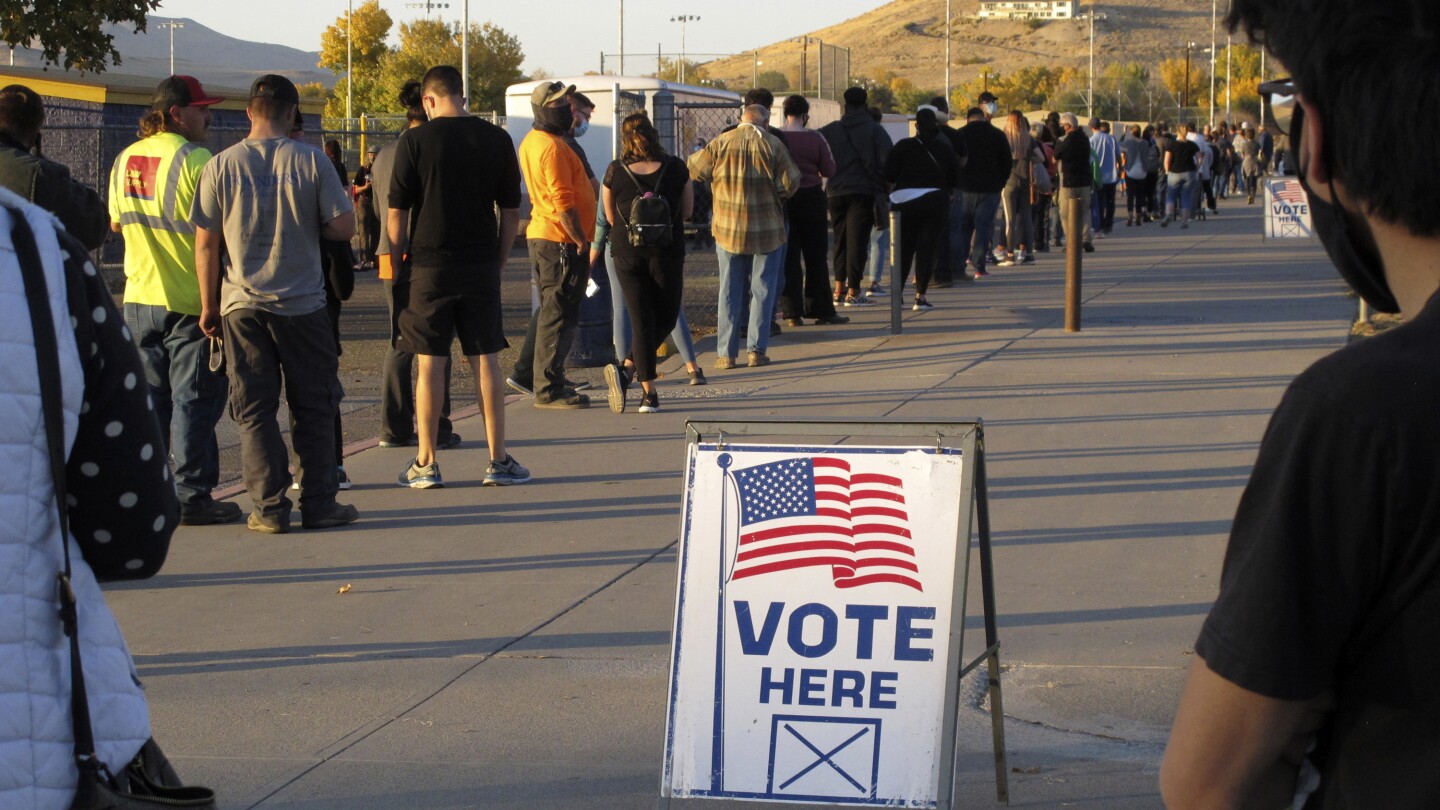
Despite the uncertainty and concerns expressed by small business owners, the majority remain committed to participating in the upcoming election. With 96% of surveyed small business owners planning to vote in November, their voices have the potential to shape the future of small business policy in the United States. As the election approaches, small business owners are calling for a more comprehensive discussion of the issues that directly impact their businesses, highlighting the need for candidates to prioritize small business interests and address the challenges they face in today’s economic environment.